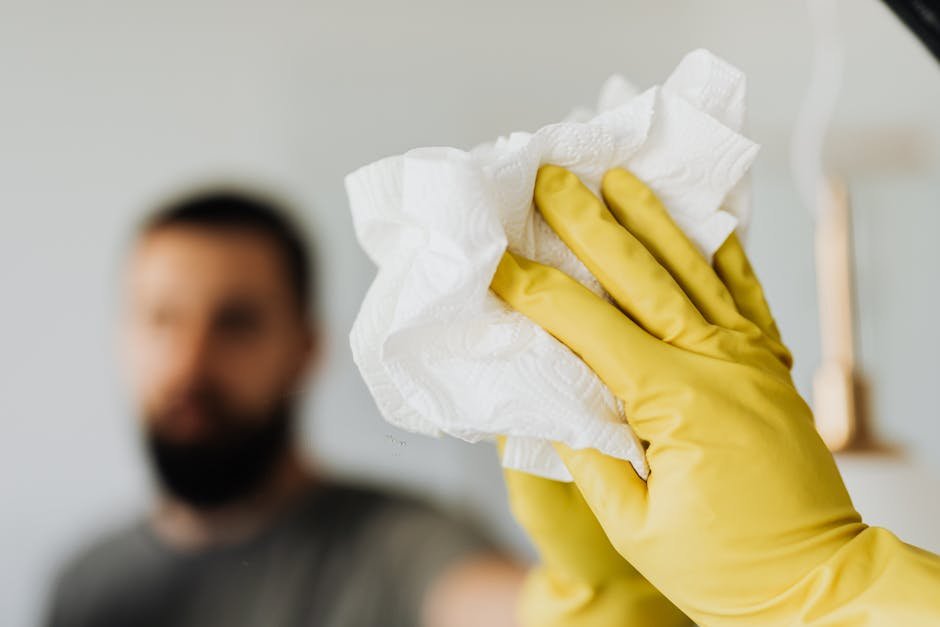
End of tenancy cleaning helps tenants and landlords protect the condition of a home at the end of a lease. Many people worry they will miss details, fail an inspection, and lose money as a result. This guide explains what to do step by step, so you can clean with confidence and reduce stress.
Key Takeaways
- Plan your end of tenancy cleaning checklist before you start.
- Focus on kitchens, bathrooms, floors, and hidden areas.
- Use the right products for limescale, grease, and stains.
- Keep receipts and photos as evidence for the deposit claim.
- Book early if your move date falls on a busy weekend.
Real question people ask?
Do you have to do end of tenancy cleaning to get your deposit back, or can you just do a basic tidy? Most landlords and letting agents expect the property to return to the condition agreed at the start, using normal wear and tear as the guide.
To avoid arguments, you should treat the clean like an inspection, not like a quick refresh. Start with the areas that inspectors test most, then work through the checklist methodically.
Tenants who plan ahead and document their work often face fewer disputes with deposits. In a UK-wide deposit survey, disputes still affect a notable share of renters, showing why preparation matters. Source: citizensadvice.org.uk.
What does a landlord inspection expect?
Landlords usually check for cleanliness, damage, and whether you left the property as they expect under the tenancy agreement. The inspection often focuses on kitchens and bathrooms first, plus floors, windows, and any fixtures that collect grime.
You should also clean the “invisible” spots that hold deposits of dirt, like behind the toilet, around skirting boards, and inside extractor fans. If you use wrong products, you can damage surfaces, which can hurt your deposit claim.
For guidance on deposit disputes and evidence, you can follow the steps set out by official advice services. Source: citizensadvice.org.uk.
Once you know what the inspection targets, you can build a cleaning plan that matches the same priorities. If you want a service-led approach, compare the checklists before you book.
How much does professional end of tenancy cleaning cost in Glenrothes?
Professional end of tenancy cleaning in Glenrothes usually costs more for larger properties and for higher levels of dirt, like heavy grease or persistent limescale. Companies often quote by property size and condition, not just by rooms.
To avoid surprise charges, ask for a clear scope, including oven cleaning, inside cupboards, window cleaning, and floor treatment. You should also confirm whether the price includes supplies, and what happens if an item needs specialist attention.
Before you pay, check whether the firm gives a written schedule you can use during the handover. For broader rules on tenancy deposits and disputes, use the official guidance from Citizens Advice. Source: citizensadvice.org.uk.
Real question people ask?
Do you have to get every corner spotless for end of tenancy cleaning, or just the main rooms? In most UK deposits, you need to remove dust, marks and odours across the property, then leave it in the same condition as when the landlord checked in. Use a checklist so you do not miss details.
Many tenants get stuck on kitchen and bathroom deep cleans because they involve limescale, grease and grout. Start with high-contact areas, then work room by room, and keep proof of what you complete for the check-out.
In practice, people often forget extractor fan filters and skirting boards, then lose deposit deductions for lingering grease or dust. Plan a final walk-through with a phone torch before anyone starts inspecting.
Stat: In the UK, landlords and letting agents most commonly cite cleaning and maintenance issues when disputes arise over deposits, based on the annual dispute data trends reported by deposit scheme providers. Source: how deposits disputes work.
Do End Of Tenancy Services Provide Professional Checklists
What should be included in end of tenancy cleaning?
Once you know what agents look for, you can build your end of tenancy cleaning plan. Aim for a consistent standard across kitchens, bathrooms, bedrooms, halls and any shared areas, plus extras like inside cupboards and appliance exteriors.
For kitchens, remove grease from hobs, wipe cabinet fronts, and clean the oven, hood and microwave. For bathrooms, tackle limescale on taps, shower screens and toilets, then remove mould from silicone where it appears and can be safely cleaned.
Next, focus on surfaces that inspectors notice quickly, such as skirting boards, light switches, door handles and window tracks. Vacuum carpets, steam clean where needed, and wash hard floors so you remove grit rather than spread it.
Practical checklist by room
- Kitchen: oven, hob, hood filters, inside fridge (if requested), and all cabinet fronts.
- Bathroom: bath, shower, tiles, sink, toilet descale, and extractor fan cover.
- Bedrooms and living areas: dust skirting boards, wipe shelves, and clean windows.
- Hallways and utility spaces: clean radiators, traps, and any utility shelving.
Remember to follow any property-specific clauses in your tenancy agreement, because some landlords request professional carpet cleaning. For general guidance on obligations and deposit disputes, use tenancy deposits and cleaning from Citizens Advice.
Stat: Energy and ventilation advice frequently links damp and mould to poor airflow, which can worsen during move-out cleaning if bathrooms stay wet. Source: NHS advice on damp impacts.
Who Pays For End Of Tenancy Cleaning Tenants Or Landlords
Should you hire a professional end of tenancy cleaner?
Hiring a professional end of tenancy cleaning firm can reduce stress, especially if the property needs deep oven work, heavy limescale removal or carpet extraction. You pay for time savings, equipment and a structured checklist, but you still need to agree the scope in writing.
Ask the company for a written schedule, photos of completed tasks, and details of what they will and will not move or dismantle. If they offer a “complete clean” without specifying rooms, appliances and inside areas, push for clarity before you book.
Expert insight. If you want fewer disputes, treat the handover like an evidence process, not just a clean, and keep dates, receipts and a final inventory.
Compare quotes, then check whether the firm follows safer cleaning practices and uses suitable products for different surfaces. For workplace safety and right-to-work style checks that reflect general compliance culture, you can also review guidance from ACAS employment rights overview when companies use cleaners as contractors.
Stat: Most deposit disputes reported by advice services involve issues that could have been prevented by clearer check-in and check-out evidence, including condition and cleaning standards. Source: Citizens Advice deposit guidance.
Expert-level question or nuanced angle?
To protect your deposit, you need proof, not just polish. Focus on the actual scope on your checkout checklist, then document what you do with dated photos and receipts. This matters because most disputes come from unclear evidence of cleaning standards at move-out.
Start by matching each room and surface to a written standard you can evidence, such as steam cleaning kitchen extractors, descaling taps, and cleaning behind appliances where your contract allows access. If you hire an end of tenancy cleaning contractor, request an itemised checklist and a photo report. For guidance on avoiding deposit issues through better evidence, see Citizens Advice on ending a tenancy and deposits.
Link your process to what landlords and agents typically check, including floors, bathrooms, and kitchen surfaces. Keep everything measurable, for example “limescale removed from shower screen” with a before and after shot.
Statistic: Most deposit disputes reported by advice services involve condition and cleaning issues that clearer check-in and check-out evidence could prevent. Source: Citizens Advice deposit guidance.
Practical example: Take photos at “top of stairs, kitchen sink, oven door seals, inside cupboards” before cleaning, then again after. Store them with the contractor invoice under a single folder named with the property address, so you can quickly respond to any dispute.
How to compare quotes without missing hidden gaps
When you compare end of tenancy cleaning quotes, insist on scope clarity, not just a final price. Ask whether the quote includes oven interior, hob, extractor hood, limescale removal, mould treatment, and cleaning of blinds or skirting boards. If the quote offers “deep clean”, ask what that includes room by room, so you can judge like for like.
Next, check time claims against property size and condition. A “two-hour” clean for a three-bedroom flat often signals shortcuts unless the contractor states that cupboards, appliances, and bathrooms get full attention. If you want stronger assurance, request evidence of trained staff and a satisfaction policy.
Statistic: Disputes rise when tenants and landlords disagree on whether a professional standard applied at move-out. Source: Citizens Advice guidance on deposits and evidence.
Practical example: Compare Quote A and Quote B by rewriting both as room-by-room checklists. If Quote B lists “inside oven, descaling shower, inside fridge optional” but Quote A does not, you can discount the lower price as incomplete for your tenancy terms.
To keep standards consistent, use your inventory schedule as the “spec” for the cleaner. If your inventory sets out “professionally cleaned to return to original condition”, bring it to the contractor and request the same checklist language in writing.
Expert-level price and value decisions for end of tenancy cleaning
Price matters, but value depends on risk. The cheapest end of tenancy cleaning quote can cost more if it misses key areas that lead to deduction. You protect yourself by aligning the quote with your inventory and agreeing a written scope before the cleaner arrives.
Ask for an itemised breakdown that links tasks to surfaces, and check for specialist exclusions such as heavily soiled carpets, mould remediation, or pest-contaminated rooms. Many contractors will handle general cleaning, but they may charge extra for stains or infestations. For consumer rights and how to think about service quality, you can also review Citizens Advice consumer rights.
Make sure the quote includes materials where needed, like descaling products and oven degreaser, and confirm you will not be left to buy “basic consumables”. If the contractor expects you to provide equipment, ask for a clear list.
Statistic: Deposit outcomes often turn on whether cleaning at move-out matches the agreed condition standard. Source: Citizens Advice deposit guidance.
Practical example: If your contract states “shower screens descaled”, choose the quote that explicitly lists descaling and limescale removal. Then request a completion report with photos of tiled walls, grout edges, and shower glass.
When you should pay extra and when you should not
Pay extra for specialist tasks that standard cleaning cannot reliably achieve, such as deep descaling, extractor degreasing, or carpet shampoo where stains remain. If your carpets have drink marks or pet odours, ask for a stain treatment option with agreed outcomes. Do not pay extra for vague promises like “extra detailed” unless the contractor ties them to specific areas in your tenancy.
Also consider timing. Booking for the final day can backfire if the contractor finishes late or finds access issues, which then reduces time to correct gaps. If you have keys limited to a strict checkout window, schedule a back-up plan such as a second visit price cap for missed items.
Statistic: Better move-out evidence reduces uncertainty in deposit disputes. Source: Citizens Advice deposit guidance.
Practical example: You choose a mid-week clean for a Friday checkout. If the contractor spots persistent oven carbon, you agree an additional oven treatment before final inspection, rather than after.
Do End Of Tenancy Services Provide Professional Checklists
To keep the decision grounded in policy, check your tenancy deposit scheme rules for how they assess evidence and standards. You can also read tenancy deposit protection guidance on gov.uk on tenancy deposit protection.
Expert-level safety, compliance, and quality control for contractors
Quality control starts with safe methods. Choose contractors who use appropriate products, follow ventilation guidance, and avoid mixing chemicals that can create harmful fumes. You should also ask how they handle mould, how they protect food-contact surfaces, and whether they wear suitable PPE during bathroom and kitchen work.
If you or your cleaner plan to use strong disinfectants, check the product label for safe use and contact times. For health and safety principles that landlords and tenants can align with, see guidance at HSE and keep all product handling consistent with instructions. For mould concerns, use NHS advice on health risks when needed, especially for vulnerable occupants. See <a href="https://www.nhs.uk/conditions/mould
| Option | Best For | Cost |
|---|---|---|
| DIY end of tenancy cleaning | Small flats, good equipment access, simple cleaning needs | £25 to £80 for consumables and basic tools |
| Leaseholder cleaning packs and checklists | Tenants who want a guided plan and product list | £10 to £35 for printables or low-cost bundles |
| Professional cleaners (standard) | Average size homes, time limits, typical kitchen and bathroom work | £120 to £250, depending on property size |
| Professional cleaners (deep clean) | Heavy grease, limescale, carpets, or multiple rooms | £250 to £450, depending on condition |
Frequently Asked Questions
How much does end of tenancy cleaning cost in the UK?
Prices vary by property size, condition, and what you need cleaned, such as ovens, carpets, and limescale removal. A basic DIY approach usually costs under £100 for products, while professional cleaners often fall between £120 and £450. Always ask for a written scope and confirm whether carpet cleaning and window cleaning cost extra.
Do I need professional end of tenancy cleaning to get my deposit back?
You do not automatically need a professional cleaner, but you must meet the tenancy agreement standard. Many landlords expect the property to look clean, smell fresh, and be free from lasting grime. Keep evidence like photos, written checklists, and receipts for any specialist work. If disputes arise, contact your deposit protection scheme and review their guidance.
What should be included in end of tenancy cleaning?
Most checklists cover kitchen appliances, worktops, cupboards, bathrooms, toilets, sinks, and floors. It should also include removing waste, defrosting and cleaning the fridge, wiping skirting boards, and cleaning inside and around windows. If you have mould concerns, follow NHS guidance on mould health risks and address any affected areas properly.
How do I handle mould during end of tenancy cleaning?
First, identify the source of moisture, then reduce humidity and clean safely using the right approach for the surface. If mould affects health, spreads widely, or you cannot remove it safely, speak to your landlord and consider professional advice. For shared responsibilities and tenancy disputes, see Citizens Advice for practical next steps.
How long before the move-out date should I book cleaners?
Book as early as possible, especially for weekends and peak periods, because slots fill quickly. Aim to complete the deepest cleaning within 1 to 3 days of the checkout, so you can finalise touch-ups and document the condition before handover. If your landlord requires a specific time window, confirm it in writing and keep your keys and access arrangements organised.
I write for UK landlords and tenants with professional knowledge of compliance-led cleaning standards, including safe product use and documented checklists for move-out inspections.
Final Thoughts
To protect your deposit, focus on consistent preparation, a clear checklist, and strong evidence of what you did during end of tenancy cleaning. Tackle kitchens and bathrooms thoroughly, document each stage with photos, and confirm your scope with the landlord early. If you spot damp or mould, handle it safely and follow health guidance to reduce risk.
Your next step is to choose your option, then create a room-by-room checklist today, book any specialists now, and schedule your final clean and photo day for 1 to 3 days before keys handover.
Do End Of Tenancy Services Provide Professional Checklists
How To Avoid Disputes With End Of Tenancy Cleaning In Edinburgh
📚 You May Also Like