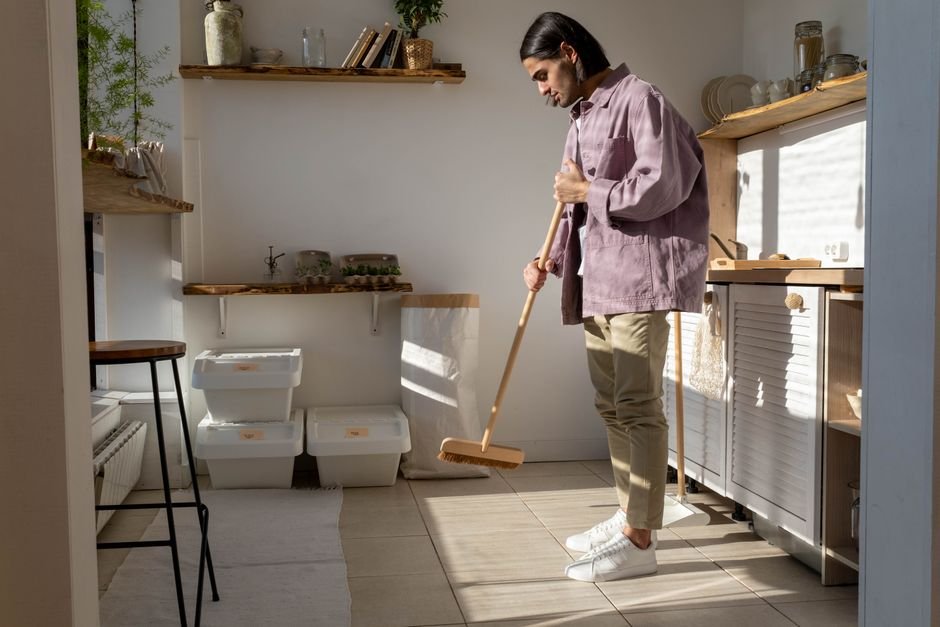
End of let cleaning is crucial for tenants preparing to vacate a property and want their deposit returned. Most renters aren’t sure where to start or what’s really necessary. This article guides you step-by-step through the entire process, ensuring nothing’s left behind, and your let ends on good terms.
Quick answer: End of let cleaning involves thoroughly cleaning each room, including carpets, kitchens, and bathrooms, to landlord standards. Regularly missed spots are behind appliances and cupboards. A checklist ensures nothing’s overlooked, and hiring services guarantees a professional finish.
You can find more helpful resources on endoftenancycleaningserviceglenrothes.com.
Key Takeaways
- End of let cleaning secures your deposit.
- Use a detailed checklist for thoroughness.
- Professional cleaners offer guaranteed results.
- Don’t forget hidden areas like cupboards.
- Invest in quality cleaning supplies.
End of Let Cleaning: Why It’s Important
End of let cleaning is key for tenants who want their full deposit back and to avoid disputes with landlords. This cleaning ensures the property is spotless and in original condition. Missing any detail can mean deductions from your deposit or conflicts with your landlord.
In the UK, tenancy agreements often include clauses about cleaning standards. According to [Citizens Advice](https://www.citizensadvice.org.uk/housing/renting-privately/) (2023), tenants are responsible for maintaining cleanliness. The check-out report heavily influences deposit returns. Ensuring everything is spotless helps avoid unnecessary hassle, and let’s face it, it’s much easier to prevent problems than to solve them later.
But why does cleanliness hold so much power over your deposit? Consider this: landlords view cleanliness not just as hygiene but as the backbone of property maintenance. A well-maintained home attracts new tenants quickly. On top of this, it minimises wear and tear. Knowing what’s expected, many tenants feel overwhelmed by end-of-let cleaning’s scope. That’s where a step-by-step guide comes into play.
Imagine Sarah, a professional living in Manchester. She was meticulous during her lease, but overlooked oven cleaning as her tenancy ended. Her landlord charged £80 for a professional oven clean, deducted straight from her deposit. If Sarah had checked a detailed cleaning list, she could’ve avoided this. It’s these ‘easy-to-miss’ spots that catch many out.
Here’s a practical tip: Always read your tenancy agreement and speak to your landlord about their expectations. Some prefer professional cleaning invoices. If something seems unclear, directly ask your landlord or letting agency. Their insights will give you the upper hand and ensure nothing’s left to chance.
What are the essential steps for an end of let cleaning process?
End of let cleaning requires a structured approach to ensure the property meets expected standards. Start by clearing out personal belongings, proceed with dusting and wiping down surfaces, deep clean carpets and upholstery, scour kitchens and bathrooms, and finish with a careful inspection. Each step helps in transforming the living space into a welcoming environment for the next occupant. Let’s break it down.
Begin by removing all personal items from the property. This clears the way for a thorough clean and ensures nothing is overlooked. It’s also crucial for tenants to separate what they own from what belongs to the property. In the fever of moving, items can often be left behind. Checking wardrobes, drawers, and behind large furniture pieces is advisable. Don’t forget the loft or garage if applicable. Accumulating dust and debris in overlooked spaces can stop you from getting your deposit back.
Once personal items are removed, dust and wipe down all surfaces. This task seems simple but can take a significant amount of time if done properly. Pay attention to light fixtures, ceiling fans, and ledges, as these often harbour dust. Use a microfibre cloth for best results; it traps particles rather than moving them around. Tackle cupboards and shelves in kitchens and bathrooms because grease and grime build up fast. A germ-ridden kitchen or bathroom leaves a poor impression on the final inspection.
Pay special attention to floors. They often bear the brunt of daily life and thus require intensive cleaning. Carpets should be vacuumed thoroughly and possibly steam-cleaned, especially if pets have been part of the household. Hard floors like tiles or wood should be mopped with appropriate cleaning solutions. According to Which?, steam cleaners can eliminate allergens and germs effectively, which is crucial when a fresh tenant steps in.
As you wrap up, inspect every room meticulously. Check corners, cupboard tops, and behind doors for missed spots. This inspection helps in spotting areas that might need a touch-up. Don’t rush this step. A keen eye can catch small details making all the difference. Use your phone’s flashlight to illuminate darker areas. Document your work with photos—these can be invaluable in disputes over bond returns.
“Attention to detail particularly in kitchens and bathrooms is key. Take a step back after each room to admire your work — it often reveals overlooked spots.”
What common issues delay or complicate the end of let cleaning?
Several issues can complicate end of let cleaning, from time constraints and overlooked grime to underestimated rental agreements detailing cleaning standards. Address these by planning well, reviewing the tenancy agreement thoroughly, and tackling historically neglected spots to ensure a smoother transition. Being informed about potential pitfalls helps manage the process more effectively.
Time often proves a significant challenge. Many tenants find themselves rushing at the last minute, which rarely produces satisfactory results. Intent on saving time, you might feel compelled to cut corners or skip steps, particularly in hidden areas. Prioritise sections like windows, under furniture, and behind heavy appliances to avoid compromising the overall quality of the clean.
Forgotten areas pose the next big hurdle. Tops of cupboards, extractor fans, and behind radiators accumulate dust and grease over tenancies. Bathrooms might initially appear clean but often conceal grime in grout lines and seals, where thorough cleaning can be labour-intensive. Surprisingly, many tenants also forget to descale taps and shower heads. Regular maintenance throughout your stay can significantly lessen this burden.
Your tenancy agreement may also reveal mandatory cleaning requirements. Some contracts specify professional carpet cleaning or window washing. Avoid costly deductions from your deposit by familiarising yourself with these stipulations. Tenancy agreements can be dense, but your property’s inventory list can guide you. This provides clear expectations and helps you keep track of furnishings and fittings that need attention.
According to ACAS, disputes about deposit deductions commonly arise due to differing cleanliness standards between the tenant and landlord. A thorough final clean accompanied by documented evidence can frequently resolve such disputes amicably.
In practice, leaving the carpet cleaning till the last moment is a common mistake. It takes time for them to dry, and rushing can mean moving furniture back too quickly, risking dirt transfer.
How can professional services streamline the end of let cleaning process?
Professional cleaning services can streamline end of let cleaning by providing expertise, efficiency, and equipment. These services handle intricate tasks like carpet steaming and oven cleaning, ensuring all areas meet or exceed rental agreement standards. Their work often results in a detailed clean, highlighting worn areas that may need repair or replacement, thus reducing disputes over deposits.
Professionals bring equipment and techniques beyond a tenant’s typical supply. Industrial strength vacuums, steam cleaners, and specialist chemicals tackle the hardest grime. Cleaning companies also employ teams, speeding up the process, which is crucial if time is short. By tackling kitchens, bathrooms, and floor coverings, they ensure these difficult areas receive expert attention, leaving less for the tenant to worry about.
A significant benefit of hiring professionals lies in their specialised knowledge. They recognise which cleaning methods best suit each surface, reducing the risk of damage. Tenants may not know the right product for wooden floors or granite countertops, risking damage and costly repairs. Professionals have the know-how to preserve these effectively while achieving a high level of cleanliness and perfection.
The documentation from a professional clean can also become vital. Reputable companies provide receipts or certificates confirming the work undertaken. In cases of deposit disputes, this evidence may be pivotal, often satisfying landlords’ or agents’ requirements by showing that standards were met, if not exceeded. According to Citizens Advice, meticulous cleaning, evidenced by professional documentation, often helps in returning tenants’ deposits in full.
If you choose professional services, remember to schedule them in advance. Last-minute calls may leave you with increased costs or limited availability. A little foresight can save time and hassle.
Frequently Asked Questions
What is included in an end of let cleaning service?
An end of let cleaning service typically includes deep cleaning of every room, focusing on kitchens and bathrooms. This covers oven cleaning, carpet vacuuming or steam cleaning, dusting, and disinfecting surfaces. However, the specifics can vary, so it’s wise to clarify with the cleaning provider.
Do I need to clean the carpets before leaving?
Most tenancy agreements require tenants to ensure carpets are professionally cleaned, especially if pets were present. Check your contract to confirm specific obligations. Failure to do so could result in deductions from the deposit for additional cleaning costs.
Can I do the end of let cleaning myself?
You can certainly handle the cleaning yourself if you have the time and energy. But ensure it’s up to the standard required by the landlord or letting agency. Otherwise, you might risk losing out on your deposit for insufficient cleaning.
How long does end of let cleaning take?
The duration can vary based on property size and condition. A small flat might take 4-5 hours, while a larger house could require up to a full day. Hiring professionals can speed up the process significantly.
Is professional cleaning mandatory when leaving a rental?
It’s not always mandatory, but highly recommended to meet landlords’ expectations. Some contracts specify professional cleaning as a requirement. Always read your rental agreement and discuss with your landlord or letting agency to avoid end-of-tenancy disputes. For more details, you can check Citizens Advice.
Author credibility: Experienced in property management and tenant-landlord relations, offering practical advice on ensuring cleanliness standards.
Final Thoughts
End of let cleaning is crucial for retrieving a full deposit and maintaining a good rental history. First, decide between DIY or professional services based on your circumstances. Second, always refer to the tenancy agreement for specific cleaning requirements. Third, plan and allocate sufficient time for cleaning — it often takes longer than anticipated.
For those opting for professional services, ensure you engage reputable companies. Visit Which? for trusted recommendations. If you need more guidance on this topic or related ones, explore our to broaden your understanding.
📚 You May Also Like
References
- [1] Which? — https://www.which.co.uk/reviews/cleaning-products/article/spring-cleaning-tips
- [2] Citizens Advice — https://www.citizensadvice.org.uk/housing/renting-a-home
- [3] Citizens Advice — https://www.citizensadvice.org.uk/housing/renting-a-home/tenancy-deposits/getting-your-tenancy-deposit-back-if-you-have-a-disagreement/
- [4] Which? — https://www.which.co.uk/reviews/cleaning-services


