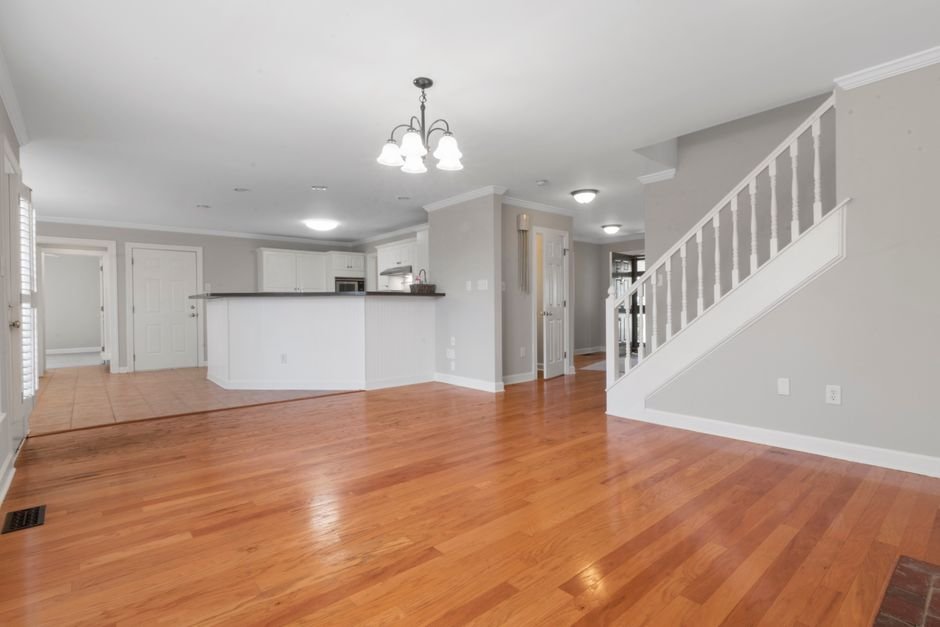
Rental property cleaning often feels daunting, especially if you’re new to it. You’ve got a whole property to tackle, and missing a spot might cost you dearly in tenant satisfaction or even rental income. This guide promises clear, actionable steps to streamline the process, turning a potential mess into manageable tasks.
Quick answer: Rental property cleaning involves a thorough clean of all spaces, including the kitchen, bathrooms, and living areas. Start by dusting, vacuuming, and sanitising surfaces before mopping floors and deep-cleaning specific areas like ovens and fridges. Attention to detail ensures your property impresses future tenants and maintains its value.
You can find more helpful resources on endoftenancycleaningserviceglenrothes.com.
Key Takeaways
- Understand tenant cleaning expectations.
- Prioritise kitchens and bathrooms.
- Use quality cleaning tools.
- Regular cleaning prevents major issues.
- Allocate time for each area.
Rental Property Cleaning: Essential Tasks
Rental property cleaning requires focusing on essential tasks to ensure everything is in top condition for new tenants. Start with dusting and vacuuming before sanitising high-touch surfaces like doorknobs and light switches. Kitchens and bathrooms need deep cleans, while living areas require thorough dusting and vacuuming to ensure no dirt or grime is left behind.
Preparing your property between tenancies can be overwhelming, but knowing the essential tasks helps. The kitchen often requires the most attention, as a single uncleaned appliance can turn off potential renters. Same goes for bathrooms — they should gleam like new. According to the Citizens Advice, properly maintaining a property not only keeps tenants happy but also preserves the property’s market value.
A successful cleaning session starts with a checklist, ensuring every area gets the attention it needs. From vacuuming carpets to scrubbing tiles, following a structured plan minimizes oversight. Dust accumulates quickly and can trigger allergies, so pay it extra attention. Also, be thorough with vacuuming, making sure to hit every corner and behind furniture. For tougher spots, consider using specialised cleaning solutions. Rental properties benefit significantly from this level of detail.
A practical example: Imagine prepping a two-bedroom flat in Edinburgh. Begin with the kitchen. Clean the microwave, oven, and fridge inside out. Move to bedrooms and living rooms next, dust every surface and vacuum thoroughly. Finally, focus on the bathroom: scrub tiles, polish the showerhead, and sanitise the loo. It takes time, but it pays off with positive tenant feedback.
The key insight here is regularity. Doing light, regular cleans between major overhauls reduces time and hassle. A weekly dusting or mopping session saves hours during end-of-tenancy cleaning. Block time for these tasks in your calendar. Patterns cut down decision fatigue and surprise issues when a tenant moves out. Follow these steps and you’ll maintain a rent-ready property effortlessly.
How do you deep clean a rental property before new tenants move in?
Deep cleaning a rental property ensures the new tenants start with a fresh, welcoming environment. Start with a comprehensive cleaning checklist, covering every room and area. Include scrubbing the kitchen and bathroom, vacuuming carpets, dusting surfaces, and cleaning appliances. Attention to detail is crucial, from skirting boards to light switches. Deep cleaning not only improves the property’s appeal but also highlights any maintenance issues that need addressing before new tenants move in.
Tackling a deep clean involves more than just surface cleaning. Begin with the bedrooms and living areas. Dust all surfaces, including window sills and light fittings. Curtains or blinds should be washed or dusted if possible. Ensure to vacuum carpets thoroughly or deploy steam cleaning for a deeper cleanse. If the property has wooden floors, mop them using a suitable cleaning agent. For pet owners, consider neutralising any lingering pet odours with a deodorising spray.
The kitchen often requires the most effort. Clean all appliances, including the oven, hob, and extractor fan. Bicarbonate of soda and vinegar make an effective DIY solution for removing stubborn grime from these appliances. Wipe down countertops and cabinet fronts with disinfectant, ensuring all handles and knobs are germ-free. Don’t forget the fridge and freezer; defrost them and wash out any lingering smells. Also, check the sink for limescale build-up and use a descaler if needed.
Concentrate on bathrooms by scrubbing tiles, grouting, and sanitising toilets. Lime build-up around taps and showerheads can be tricky to remove but is essential for a sparkling finish. Use a limescale remover or vinegar for tough spots. Mirrors should be polished streak-free, and shower curtains washed or replaced. According to Which?, a clean bathroom is often a top priority for tenants viewing a property, signalling hygiene and care.
Completing a deep clean includes general areas like hallways and staircases. These often-neglected spaces should be hoovered and free from cobwebs. For a polished appearance, wipe down banisters and polish any wooden elements. Deep cleaning covers all the groundwork, ensuring each area of the property is as clean as possible. Hire a professional cleaning service if time is tight or additional help is needed.
In practice, landlords often underestimate the time required for a deep clean. A detailed plan with dedicated days for specific areas helps manage the workload effectively.
What cleaning tasks should be done regularly in a rental property?
Regular cleaning tasks in a rental property maintain its condition, ensuring that wear and tear don’t accumulate over time. Tasks should cover routine vacuuming, mopping, dusting, and cleaning of high-touch surfaces. Keep bathrooms and kitchens sanitised weekly to prevent mould or grime build-up. Regular cleaning isn’t just for aesthetics; it prolongs the life of the property’s fixtures and fittings, saving landlords money on replacements.
Frequent cleaning should focus on high traffic areas. Carpets should be vacuumed weekly to fend off dirt and debris that can wear down fibres. For hard floors, mopping them once a week with a suitable cleaning solution helps maintain shine and hygiene. If the property is pet-friendly, cleaning should cater to any extra mess that pets might leave, such as pet hair or paw prints, which means more frequent clean-ups.
The kitchen, a constant hub of activity, needs attention to keep it sparkling. Encourage tenants to wipe down surfaces after cooking and wash dishes soon after use. Medium-term tasks, like cleaning the microwave and scrubbing the oven, should occur monthly. According to the Food Standards Agency, maintaining a clean kitchen space reduces the risk of foodborne illnesses, benefiting everyone.
Bathrooms need weekly scrubbing, focusing on tiles and fixtures. Encourage tenants to use bathroom cleaners that prevent limescale and mould build-up. Regularly clean mirrors and surfaces to keep water stains at bay. Sanitisers and natural disinfectants are critical for germ hotspots like taps and toilets. Adding a quick bathroom tidy-up to the weekly routine keeps it fresh and inviting.
Maintenance of exterior areas like gardens or paths should also not be neglected. Regular sweeping of paths and weeding helps keep the grounds tidy. Discuss with your tenants how they can help maintain these areas, offering incentives if necessary. Regular cleaning keeps a rental property looking inviting and well-cared-for, benefiting both landlords and tenants.
“Keeping a property tidy isn’t just a landlord responsibility; tenants play a key role too. A team effort ensures the property remains a desirable place to live for longer.”
How does cleaning impact the rental property value?
Cleaning directly impacts rental property value by maintaining its condition and reducing the need for costly repairs. A well-maintained property can command higher rents and have lower vacancy rates. Consistent cleaning prevents deterioration, meaning fewer refurbishments. Landlords who present a clean property typically face fewer tenant complaints and higher satisfaction, enhancing overall value.
A property’s cleanliness strongly influences first impressions. Prospective tenants often associate cleanliness with care and responsibility. This can justify premium pricing. If the initial viewing is negative due to visible grime or neglected areas, potential tenants might undervalue the property, either dismissing it or offering lower rent. Clean properties stand out in listings, attracting a broader range of applicants.
Cleaning reduces hidden costs linked to neglect, such as pest control or replacing damaged fittings. Clogged drains from accumulated hair or kitchen refuse might escalate into expensive plumbing issues. Regular cleaning minimises these risks by tackling problems before they evolve into bigger issues, ultimately preserving the property’s structural integrity and market value.
Tenants appreciate clean environments, influencing their willingness to renew leases. Happy tenants are less likely to move, reducing the landlord’s need for marketing and vacancy management. According to Gov.uk, maintaining good communication and quality consistent service can significantly impact tenant retention, and cleanliness forms an important part of this equation.
Consider how often properties listed as “well-maintained” catch more tenant interest than others. Tenants will eagerly pay more for a pristine home, knowing that it reflects the level of care they’ll receive during their stay. Consistent cleaning therefore isn’t just ideal for occupancy; it protects the investment.
In practice, landlords often skip minor clean-up tasks, which gradually accumulate into larger problems over time. Staying on top of cleaning can prevent these issues.
Frequently Asked Questions
What cleaning is required for a rental property?
Rental property cleaning typically includes deep cleaning carpets, sanitising bathrooms, scrubbing kitchen surfaces, and dusting all rooms. Regular maintenance helps maintain standards. The Citizens Advice offers insights into basic legal standards landlords should meet.
How often should a rental property be cleaned?
Routine cleaning between tenancies is essential. For occupied rentals, a monthly professional clean can help. However, frequency depends on tenant agreements and property type. Adjust schedules based on specific property needs.
Do landlords have to clean between tenants?
Yes, landlords usually clean between tenants to ensure it meets lettable conditions. A clean property attracts quality tenants. While it’s not legally required, it’s best practice to present a well-maintained home.
Can cleaning costs be deducted from a tenant’s deposit?
Yes, but only if the property is left dirtier than when the tenant moved in. Landlords should provide an inventory or condition report to substantiate claims. According to the Gov.uk, deductions need proper documentation.
What are the benefits of hiring a professional cleaner?
Hiring a professional cleaner ensures a thorough clean, saving landlords time. It’s especially beneficial for complex tasks like oven degreasing or specialised carpet cleaning. This can enhance the property’s appeal, ensuring quicker re-letting.
As a seasoned property manager with over a decade of experience, I understand the complex dynamics of maintaining clean, attractive rentals.
Final Thoughts
Rental property cleaning ensures a hygienic and appealing environment for tenants. Three key points: invest in quality cleaning between tenancies, maintain regular cleaning schedules during occupancy, and consider using professional services when necessary. This saves time and maximises property appeal.
To start, consider evaluating your current cleaning schedule and seek feedback from tenants on areas for improvement. Tailor your approach to fit the unique needs of each property and tenant situation. For more tips, explore our and .
📚 You May Also Like
References
- [1] Which? — https://www.which.co.uk/reviews/cleaning-products/article/bathroom-cleaning-tips-ayK4k7B8sXxr
- [2] Food Standards Agency — https://www.food.gov.uk/safety-hygiene/kitchen-handbook
- [3] Gov.uk — https://www.gov.uk/private-renting
- [4] Citizens Advice — https://www.citizensadvice.org.uk/housing/renting-a-home/repairs-in-rented-housing/responsibility-for-repairs/
- [5] Gov.uk — https://www.gov.uk/tenancy-deposits