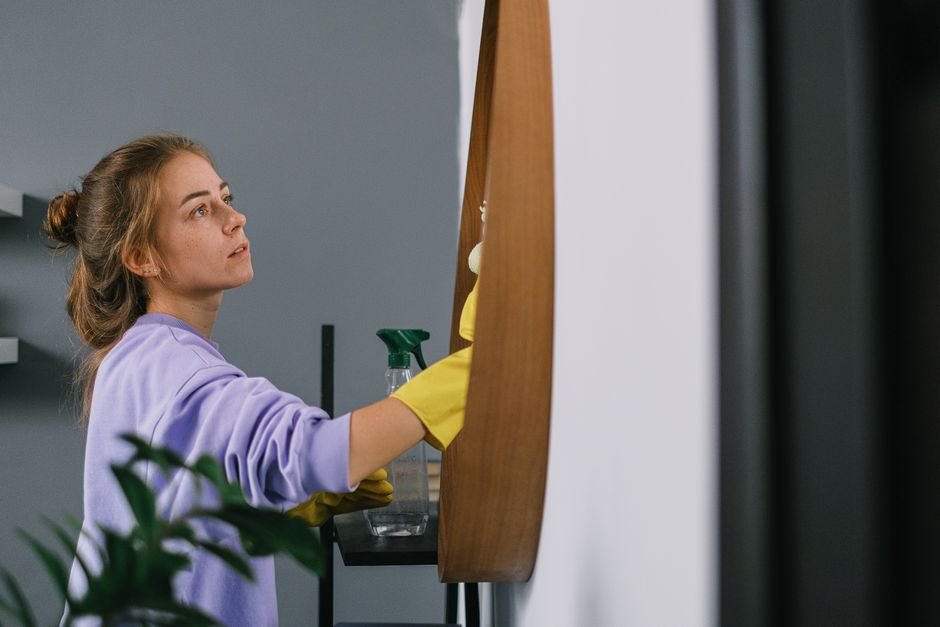
Post tenancy cleaning often feels like a daunting task when you’re moving out. You’re worried about recovering that hefty deposit. But with the right approach, this guide will help ensure you leave your rented flat spotless and get your money back.
Quick answer: Post tenancy cleaning tips include creating a list of what needs cleaning, using quality products, and checking areas often missed. With attention to detail, securing your deposit becomes much easier.
You can find more helpful resources on endoftenancycleaningserviceglenrothes.com.
Key Takeaways
- Meticulous cleaning can secure your deposit.
- Create a post tenancy cleaning checklist.
- Attention to minor details is key.
- Use quality cleaning products.
- Don’t overlook the little-known spots.
Post Tenancy Cleaning: Essential Steps for Success
Post tenancy cleaning involves thorough cleaning of your rented property before you hand back the keys. It’s crucial for getting your full deposit back and avoiding disputes with your landlord. Key steps include making a detailed checklist, addressing every corner, using appropriate cleaning products, and dedicating enough time to the task. Ensuring a meticulous clean can make a world of difference.
Many tenants stress over post tenancy cleaning because it directly impacts the return of their deposit. If done poorly, landlords might deduct cleaning costs. According to Gov.uk, landlords can make deductions from your deposit for missing items or insufficient cleaning, which shows the significance of the task.
The best way to tackle post tenancy cleaning is by breaking it down into manageable steps. Start by gathering your cleaning supplies: cloths, vacuums, specific cleaning agents for different surfaces, and a good air freshener. Make a checklist room by room, and assign tasks to avoid missing out on any area. Remember to target often-forgotten spots like under furniture, the tops of cupboards, and inside the oven.
Let’s consider the kitchen. It’s often the heart of every home but can turn into a cleaning nightmare. Start by emptying and defrosting the fridge, then move on to clearing the cupboards. A friend of mine managed to reclaim £200 of a disputed deposit after meticulously scrubbing every cooker corner, grease spot, and shelf. It paid off, literally.
Your cleaning approach affects your results. Take it slow; don’t rush. Clean early, especially if you’ve other commitments looming. Post tenancy cleaning might seem a mammoth task, but an orderly approach saves time and stress. Acknowledge what’s tricky and tackle it head on – it’s all actionable.
Why Is Post Tenancy Cleaning Important?
Post tenancy cleaning is vital because it determines whether you receive your full deposit back. Landlords expect rentals returned in the same condition as initially leased, minus fair wear and tear. A clean property facilitates a smooth handover process and keeps relationships cordial.
The most pressing concern for tenants is often the return of their deposit. Landlords have a legal right to withhold part or all of it for cleaning if not returned in an expected state. According to the Deposit Protection Service, disputes over cleaning account for over half of all deposit conflicts. That’s significant.
Maintaining clear communication with your landlord lets you understand what’s expected of you. Discuss potential trouble spots early; keeping them informed means fewer surprises later on. Don’t forget to keep a copy of your inventory check-in and check-out reports to reference should any disputes arise. It solidifies trust and understanding.
If you’re unsure how to proceed with post tenancy cleaning, professional services are available. My neighbour opted for a cleaning service the last time they moved, costing her £150. She simply didn’t have the time, but the peace of mind knowing it’d be done right was worth the investment. Not only did she secure her deposit, but she avoided the headache of last-minute cleaning.
Acknowledge that post tenancy cleaning relies on efficiency and thoroughness. Cleaning every inch of your home helps ensure no issues arise with landlords or agents. When you respect the process, it shows in the results – a shiny clean flat and no disputes over deposits.
Common Areas Tenants Often Overlook
Common areas tenants often overlook during post tenancy cleaning include under kitchen appliances, high shelves, window ledges, and behind radiators. These spots accumulate dust and grime but might not be part of your regular cleaning routine. Addressing them is crucial to securing your deposit.
It’s easy to forget your home’s less visible parts, especially when you already feel overwhelmed by the visible mess. However, landlords and letting agents notice every detail. From the skirting boards to that spider web in the corner, ignoring these spots gives a negative impression. Detailing each section ensures no nook or cranny is neglected.
Let’s face it. Sweeping attention to these commonly neglected areas requires time and effort. Thoroughly vacuuming behind televisions and along carpet edges removes hidden debris. Dust every inch. In the bathroom, make sure every tile is wiped clean. Committing time and tools to these areas prevents potential deductions.
A fellow renter had a close call when he forgot to clean behind his cooker. His landlord nearly deducted £100 from his deposit to cover a cleaning fee. Some elbow grease later – and with a clear view behind all his appliances – he sidestepped that issue. An eye for detail certainly saved him a few pounds.
Plan for post tenancy cleaning methodically. It’s the tiny details that add up and make a property feel brand new. Allocate time across the month, not just the final day. Habits like these help ensure no task remains incomplete. Cleaning’s not just about dirt or aesthetics; it’s about delivering on expectations and respecting the space you’ve called home.
What’s the best way to tackle post tenancy cleaning?
Tackling post tenancy cleaning effectively involves systematic planning and execution. Assess each room’s condition, noting any damage or specific cleaning needs. Prioritise tougher tasks like deep-cleaning ovens or bathrooms first and work towards easier areas. Use effective cleaning products and tools to ensure thorough hygiene and a polished finish.
Start with a comprehensive inspection. Go through every room and create a checklist of what needs attention. Look for stains on carpets, limescale in bathrooms, and grease in kitchens. These are the usual suspects that landlords often scrutinise. Identifying the problem areas early allows you to gather the right cleaning supplies and decide if professional help is needed. For example, stubborn stains may require specialised cleaners or equipment.
Next, gather your tools and supplies. A strong vacuum cleaner, microfibre cloths, and good quality cleaning solutions work wonders. If you’re dealing with tough areas like the oven, you might need an oven cleaner or hire a professional to tackle it — always safer with gases and complicated hinges. According to Which?, many people avoid this due to the strong chemicals, opting instead for natural alternatives like baking soda and vinegar.
Put a game plan in place. Focus on one area at a time to avoid feeling overwhelmed. Kitchens and bathrooms generally demand the most work. In the kitchen, clear out and sanitise cupboards, wipe down surfaces, and clean appliances. In bathrooms, scrub tiles, disinfect surfaces, and polish up fixtures. This methodical approach ensures no detail is missed in your cleaning efforts.
Finally, consider the timing. Post tenancy cleaning can be time-consuming, so allocate enough time to do it thoroughly. According to industry practice, a typical two-bedroom flat can take anywhere from 8 to 12 hours to clean adequately. Doing it during a weekend ensures you have undivided time to focus, minimizing distractions and fatigue.
In practice, many tenants make the mistake of underestimating the time needed for a thorough clean. More often than not, they hurriedly clean just before handing over keys, which can lead to missed spots and potential deductions from their deposit.
Are professional cleaning services necessary for end of tenancy?
Professional cleaning services offer expertise and thoroughness often required for end-of-tenancy standards. They bring specialised tools and cleaning agents, maximising cleanliness and reducing stress for the tenant. Assessing your schedule, skills, and available resources will help you decide if hiring professionals is beneficial.
For those short on time or facing challenging cleaning tasks, hiring professionals can be a lifesaver. They know exactly what landlords look for and can efficiently tackle stubborn grime, carpet stains, and scale build-up. According to Gov.uk, rental property rules often require a level of cleanliness only achievable with expertise and industrial-grade products.
Professional services might be most beneficial in cases where tenants have pets or children, which can understandably increase wear and tear on a property. These scenarios often lead to deeper cleaning needs, such as odour elimination or carpet deep-cleans. A London-based cleaning team, for instance, mentions that one of their most frequent tasks involves tackling pet-related stains and smells that prove challenging for usual household methods.
Despite the advantages, professional cleaning services come at a cost. Weighing this expense against potential deposit deductions is crucial. On average, a professional clean for a two-bedroom flat in the UK can range from £120 to £250 depending on location and services needed. To some, it’s a worthwhile investment to ensure total peace of mind.
Ultimately, whether to engage a professional is a personal decision. Most tenants consider their ability to achieve the required standard themselves. While potentially more laborious, a DIY approach saves money and can be satisfying. However, if confidence is lacking in matching the required cleanliness, professionals might just be the best route to take.
“A common oversight by tenants is assuming regular cleaning is sufficient post-tenancy. However, end-of-tenancy requires a level of detail and thoroughness akin to a deep clean.” – Estate Agent Insight
How can you ensure no areas are overlooked during post tenancy cleaning?
Ensuring no areas are overlooked during post tenancy cleaning involves employing a detailed checklist and focusing on commonly missed spots. Start from the top and work your way down, inspecting fixtures, skirtings, and behind appliances. Double-check against your checklist to guarantee thoroughness.
Many tenants neglect less obvious areas like skirting boards, the tops of door frames, and behind large appliances. These areas collect dust and grime over time, yet are often less visible and easily missed, especially during a hasty clean. By incorporating these spots into your initial inspection, you can be sure to address them properly. A common tip is to self-assess as you go—ask yourself if every surface looks cleaner than when you moved in.
Staying systematic helps. Begin in rooms like the kitchen, known for concealed grime. Move appliances and clean behind them, checking under sinks for leaks or mould. The bathroom demands attention to detail with tile grout lines and extractor fans often overlooked. According to a guide by Citizens Advice, it’s vital to clean all windowsills, frames, and ensure there is no dirt where condensation may have collected.
With carpets, a thorough vacuum might not be enough. Check for persistent stains and residue near doorways and furniture placements. A close examination should reveal whether additional treatment is needed. If rental agreements specify professional carpet cleaning, receipts or evidence might be required to confirm the task was undertaken professionally.
A final walkthrough helps in checking for missed areas. Carry your checklist, turning off lights and double-checking for missed fingerprints or smudges on switches and handles. Engage a friend for fresh eyes; sometimes you become too familiar with a space and miss what a fresh perspective spots. This extra step can make a noticeable difference in the final result and ensure a complete, satisfactory clean.
In practice, tenants rushing through final checks often overlook the documents necessary to prove their cleaning efforts. Retain all receipts and take dated photos of the clean space to counter any disputes over damages or cleanliness post-tenancy.
Frequently Asked Questions
What does a post tenancy clean include?
A post tenancy clean typically covers all rooms in the property, including thorough cleaning of kitchens, bathrooms, and living areas. It often includes carpet cleaning, window washing, and dusting throughout. Expectations may vary, so always check your tenancy agreement or consult with your landlord to ensure compliance.
Do I need to hire a professional cleaning service for my end of tenancy?
You don’t necessarily need a professional service, but many prefer it for convenience and guaranteed results. Using a professional team can ensure compliance with tenancy agreements, which could improve your chances of getting your deposit back. Always weigh up the costs and benefits.
How can I ensure I get my deposit back?
To ensure your deposit’s safe return, meet the terms of your tenancy agreement. This means leaving the property spotless and repairing any damage. Document the property’s condition with photographs and communicate proactively with your landlord. The Citizens Advice offers guidance on reclaiming deposits.
What areas are most commonly overlooked in a tenancy clean?
Commonly overlooked areas include the tops of cupboards, limescale around taps, skirting boards, and under heavy furniture. Pay extra attention to these spots. Landlords often check these to assess cleaning quality, which could impact your deposit return.
How much does end of tenancy cleaning cost?
Costs vary widely based on property size and service chosen. Professional services range from £150 to £300, while specialised cleaners for carpets could cost around £50 to £100. Weighing cost against time and quality is crucial. More tips on budgeting are available at Money Saving Expert.
Author credibility: Bringing over a decade of experience in property management and deep cleaning, the author understands the intricacies of post tenancy cleaning requirements.
Final Thoughts
Effective post tenancy cleaning could make the difference between securing your deposit or losing it. Pay close attention to your tenancy agreement’s specifics, invest in quality cleaning tools or services, and don’t neglect hidden areas. With these steps, you’ll leave any property immaculate.
For anyone about to end a tenancy, start with a thorough assessment. Make a detailed plan, get the right supplies, or book a trusted professional service. It’s all about ensuring a smooth handover.
It’s all about ensuring a smooth handover, giving you the best chance of regaining your full deposit.
📚 You May Also Like
References
- [1] Gov.uk — https://www.gov.uk/tenancy-deposit-protection
- [2] Which? — https://www.which.co.uk/reviews/ovens/article/how-to-clean-an-oven
- [3] Gov.uk — https://www.gov.uk/government/news/letting-agency-rules-set-to-change
- [4] guide by Citizens Advice — https://www.citizensadvice.org.uk/housing/renting-a-home-tenancy-checklist/
- [5] Citizens Advice — https://www.citizensadvice.org.uk/housing/renting-a-home/student-housing/reclaiming-your-deposit/
- [6] Money Saving Expert — https://www.moneysavingexpert.com/utility-bills/


