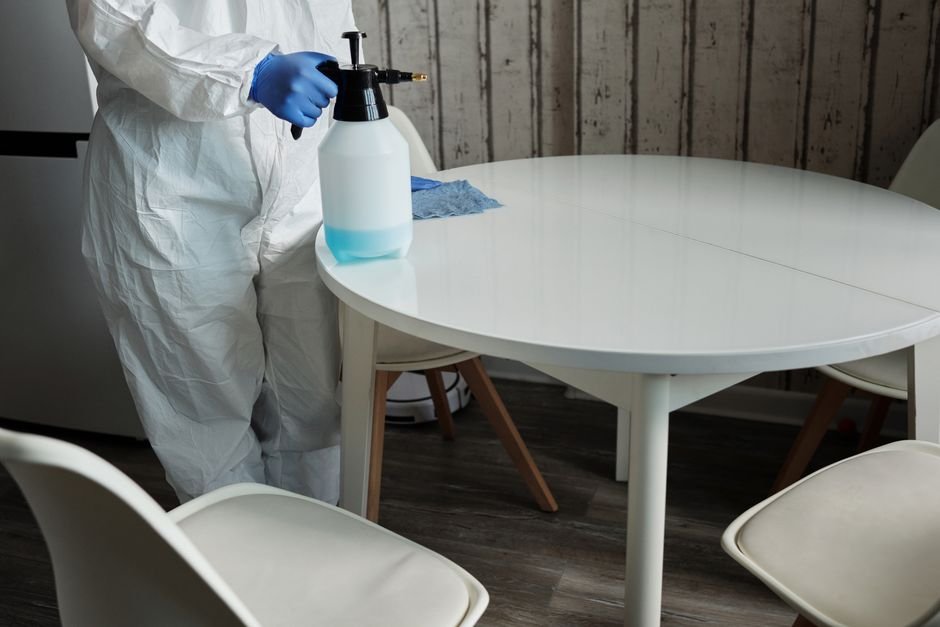
Commercial cleaners can transform a workspace, ensuring it looks professional and welcoming. But choosing the right service can feel overwhelming with so many options on the market. This guide will help you navigate the choices, breaking down what to look for and how to find the best fit for your business needs.
Quick answer: Commercial cleaners improve office environments by maintaining cleanliness, enhancing productivity, and reducing health risks. To choose the right one, assess your needs, research companies, verify credentials, and request quotes from multiple providers to compare services and costs.
You can find more helpful resources on endoftenancycleaningserviceglenrothes.com.
Key Takeaways
- Identify needs before choosing a service
- Check company’s credentials and reputation
- Request quotes to compare pricing
- Ensure services meet your specific requirements
- Consider client reviews and testimonials
Commercial Cleaners: Understanding Their Importance
Commercial cleaners play a crucial role in maintaining the hygiene and aesthetics of business environments. Proper cleaning services not only ensure a tidy space but also promote health, safety, and productivity in the workplace. Choosing the right service means picking one that matches your specific needs and fits within your budget.
In most workspaces, cleanliness directly impacts productivity and employee satisfaction. A well-kept environment reduces the spread of germs and sickness, according to research from the Office for National Statistics, sick days can cost businesses significantly each year. The atmosphere also affects visitors’ first impressions of your company, making it essential to choose a reliable commercial cleaning service.
However, finding the right cleaner isn’t just about price. It’s about trust, reliability, and expertise in the specific cleaning needs your business has. Be it office cleaning, industrial spaces, or retail, each requires a different approach. For example, an office might need regular sanitation of high-touch areas, while an industrial site might focus more on waste disposal and floor care.
Take a small consultancy in Leeds as an example. They realised their in-house cleaning was insufficient, impacting employee morale. After hiring professional commercial cleaners, the office atmosphere improved, and staff satisfaction rose. Cleaning wasn’t just cosmetic; it changed the whole workplace mood and efficiency.
Before booking, think about what your business specifically needs. Are there particular high-traffic areas? Does your sector require specialized cleaning, like healthcare or hospitality? Knowing your requirements will save you time and money, ensuring you only pay for services you genuinely require. Engaging in a simple needs analysis and comparing multiple providers offers the best outcome when selecting a service.
How to Assess Your Cleaning Needs
Assessing your cleaning needs is a vital step before engaging any commercial cleaners. This process involves identifying the specific tasks required to maintain a pristine work environment. Understanding these needs allows your business to get a tailored service package that maximises efficiency.
How do you evaluate a cleaning company’s reputation?
Evaluating a cleaning company’s reputation involves checking reviews, verifying their credentials, and speaking with their existing clients. Online testimonials and industry accreditations provide insight into the company’s reliability and performance standards. Lastly, getting in touch with current clients can offer firsthand feedback on service quality.
Online reviews are an invaluable resource when considering a commercial cleaning service. Websites like Which? offer consumer insights that reflect genuine experiences with different companies. These reviews can highlight recurring issues or strong points. However, be wary of overly glowing or negative reviews, as these might not represent the general consensus. Overall, the average rating can be a solid indicator of satisfaction levels.
Accreditations also speak volumes about a company’s credibility. Organisations such.British Institute of Cleaning Science (BICS) provide certifications to companies that meet industry benchmarks. An accredited cleaner often adheres to higher operational standards and continued educational requirements. Checking for these certifications can assure you of the quality and reliability of the services on offer.
Don’t underestimate the power of a direct conversation. Asking a company for client references enables you to get real feedback from businesses like yours. What do they like about the service? Any issues? A former manager once told me how a chat with a fellow CEO helped him uncover the true performance levels of a prospective cleaning company. He avoided a potentially expensive mistake by quickly switching providers.
According to the Citizens Advice, businesses should always check a service provider’s complaint resolution system. A well-established procedure ensures problems are addressed swiftly and effectively. Companies with transparent processes typically demonstrate a higher commitment to customer satisfaction.
Specialist Felicia Burns stresses, “A cleaning service’s true reliability often comes out in emergencies. Ask clients how quickly issues were resolved!”
What should you include in a cleaning contract?
Including clear terms in a cleaning contract ensures you and the service provider have a mutual understanding. Specify the scope of services, pricing details, schedules, and termination clauses to create a straightforward agreement that protects your interests.
The scope of services needs to be precise. Vague descriptions can lead to misunderstandings. Ensure that tasks like carpet cleaning, window washing, or sanitisation are explicitly defined in the contract. Imagine agreeing to cleaning services for a sprawling office only to find out that window cleaning wasn’t covered. An oversight like this could lead to unnecessary and often costly inconveniences.
Pricing and payment terms are equally crucial. Clearly state the cost, frequency of billing, and accepted payment methods. This transparency prevents future disputes. Many businesses are surprised by hidden charges only disclosed after the agreement is signed. A colleague once mentioned how a paltry service fee spiralled into a hefty bill due to service add-ons not initially covered by the contract.
Service schedules should reflect your operational needs. Include specific days and times, especially if your business operates on a non-standard timetable. However, flexibility is key. Having a clause that permits changes due to unforeseen circumstances, like public holidays or urgent projects, is wise. Industry practices often suggest allowing at least a 24-hour notice for schedule alterations.
Termination policies protect both parties. Set clear expectations for contract duration, renewal conditions, and circumstances for termination. According to the Advisory, Conciliation and Arbitration Service (ACAS), having an exit strategy in your agreement reduces potential disputes if the partnership becomes untenable.
In practice, businesses often overlook small terms like cancellation penalties which later become traps. Always review each clause or consult a legal expert to ensure your best interests are safeguarded.
How can you ensure ongoing service quality?
Ensuring ongoing service quality requires regular evaluations, open feedback channels, and performance incentives in your cleaning agreement. Your commitment to maintaining these facets results in consistent, high standards that benefit your business cleanly and cost-effectively.
Regular evaluations of the cleaning service help maintain a high performance level. Creating a checklist for periodic reviews allows you to benchmark results against initial expectations. Implementing a feedback sheet where staff can anonymously note issues or commendations keeps you informed about the service’s day-to-day impact. Apparently trivial issues can often spiral if they’re not promptly addressed, impacting everyone’s productivity and comfort.
Open and consistent communication forms the backbone of good service. Set regular meetings with the cleaning firm to discuss performance and any challenges they face. If an unforeseen issue arises, a quick phone call or email can provide immediate attention. I knew a facility manager who used monthly emails outlining performance metrics and upcoming changes. This proactive approach led to a substantial improvement in service satisfaction.
Including performance incentives in your contract could further enhance service delivery. Bonuses for spotless audits or reduced complaints motivate cleaning staff to exceed standards. According to research by the British Institute of Facilities Management, incentives significantly uplift productivity and service consistency within contracts.
To find the right balance, engage in an open dialogue about what incentives align best with the company’s ethos and goals. Both parties must feel the terms drive joint growth rather than an unbalanced obligation. A collaborative partnership often results in a cleaner, more efficient workspace.
While some businesses initially overlook these steps, those who integrate them thoroughly into their operations see lasting benefits in cleanliness and efficiency. Don’t underestimate the value of diligence in maintaining service quality.
Frequently Asked Questions
What should I look for in a commercial cleaning company?
When selecting a commercial cleaning company, consider their reputation, range of services, insurance coverage, and pricing. Verify reviews from other clients and ask for references to ensure reliability and quality of service provided.
How do commercial cleaners charge for their services?
Commercial cleaners typically charge by the hour, per session, or on subscription-based contracts. Costs can vary based on the cleaning tasks, frequency, and the size of the premises. Discuss all costs upfront to avoid any surprises.
Are green cleaning products more expensive?
Not necessarily. While some eco-friendly products can be a bit pricer, their increased use can reduce health and safety costs. Many businesses find the long-term benefits outweigh the initial cost difference.
Can I change my commercial cleaning service provider easily?
Yes, you can switch providers, although contract specifics may affect timing. Review your contract terms and provide necessary notice if you’re planning to terminate the agreement. Discuss all terms clearly before deciding.
Do commercial cleaners handle waste management?
Many commercial cleaning services offer waste management as an add-on. They provide bins, collection, and responsible disposal. Confirm this service with your provider to ensure your needs are met.
The author has extensive experience in facilities management, focusing on efficient cleaning solutions for businesses.
Final Thoughts
Choosing the right commercial cleaners boosts efficiency and keeps your workspace healthy. Focus on evaluating their reliability, contract flexibility, and sustainability options.
Your next step? Gather quotes from at least three providers and compare their services. This way, you can make an informed decision tailored to your business needs.
For more information on commercial cleaning standards, visit HSE’s guidelines. Also, check out Which? consumer advice for reputable services.
When reviewing potential commercial cleaners, take into account their experience and clientele. A company with a strong track record and a portfolio of well-known clients is usually a good indicator of reliability and quality. Don’t hesitate to ask for references and follow up with their existing customers.
It’s also wise to consider the cleaning technology and equipment they use. Modern and efficient equipment can make a significant difference in the quality of cleaning while also possibly reducing the environmental impact. Discuss your specific cleaning requirements and check if they can provide customised solutions.
Finally, make sure the cleaning company has the necessary insurance and liability cover. This protects your business from any potential damages or accidents that may occur during the cleaning process. Confirm that their staff are fully trained and compliant with health and safety regulations to ensure your peace of mind.
📚 You May Also Like
References
- [1] HSE's guidelines — https://www.hse.gov.uk/index.htm
- [2] Which? consumer advice — https://www.which.co.uk/consumer-rights