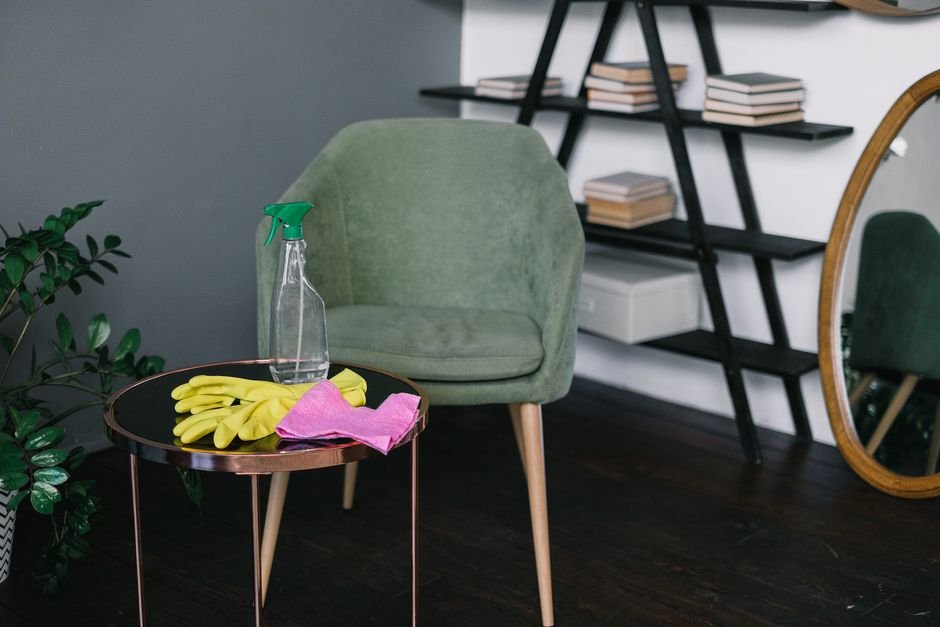
End of tenancy clean near me often seems like an overwhelming task when you’re juggling moving boxes and paperwork. But not getting it right could mean losing a chunk of your rental deposit. This guide will break down everything you need to know to make your end of tenancy clean effective and stress-free.
Quick answer: End of tenancy clean near me involves a deep and thorough cleaning of the entire property to meet landlord or agency standards. Follow a step-by-step checklist to ensure no area is overlooked, and consider professional cleaning services if you’re pressed for time or want guaranteed results.
You can find more helpful resources on endoftenancycleaningserviceglenrothes.com.
Key Takeaways
- Start cleaning well before your move-out date.
- Focus on kitchens and bathrooms for grime removal.
- Professional cleaners often ensure deposit return.
- Rented carpet cleaners can save money.
- Don’t forget windows and shared areas.
End of Tenancy Clean Near Me: How to Begin
End of tenancy clean near me is essentially a detailed cleaning required at the end of a lease to satisfy the landlord’s or agent’s standards. This typically involves scrubbing everything from bathrooms to kitchens and ensuring upholstery is spotlessly clean. Many residents struggle with the scope of cleaning required, often underestimating the work involved.
While the term ‘deep clean’ can be daunting, breaking down tasks into manageable parts helps. Following a checklist can guide you through each room, focusing on common areas that landlords scrutinise. These often include dusting, vacuuming, removing all traces of limescale, and wiping down all surfaces, including inside cabinets and wardrobes.
The Office for National Statistics (ONS) reports an increasing trend in rented households, which underlines the importance of meeting these cleaning requirements across the UK. Many tenants find this part of moving out stressful but vital, helping to ensure their full deposit is returned. Without fulfilling this step, you might face hesitations from landlords or the agency when it’s time to retrieve those funds.
Take kitchens, for example. Cupboards must be emptied and wiped inside and out, and ovens require thorough degreasing. In my own experience, spending around 30 minutes daily cleaning one part of a room prevented me from leaving the daunting chore until the last minute. However, if your schedule’s tight or if detailed cleaning isn’t your strong point, hiring professionals could be a wise move.
Some people swear by investing in professional services, while others prefer renting equipment like carpet cleaners to save costs. According to many, professional services often guarantee deposit return, compensating for their pricing, which may range anywhere from £150 to £400 depending on the size and condition of your property.
Why Professional Cleaning Services Are Worth Considering
Professional cleaning services for end of tenancy cleans near me offer expertise that might save you headaches. These specialist cleaners understand exactly what landlords and inventory clerks expect, providing peace of mind during your busy move.
Professional cleaners typically use industrial-grade equipment and have extensive knowledge of various cleaning products suited for different surfaces. While you might spend hours scrubbing a carpet without visible results, their high-powered machines can remove stains and dirt much more effectively. Plus, they can often tackle tasks like cleaning inside windows or sorting upholstery, which can be tricky for the untrained.
Many tenants discover the true cost-effectiveness of using professional services when they weigh up their time and effort against the cost of losing a deposit. The Tenancy Deposit Scheme (TDS) states that disputes over cleanliness are one of the leading causes for tenants failing to secure their full deposit back. This suggests a tangible financial benefit to getting things right the first time.
Consider tenants who once tried to tackle all cleaning themselves, only to discover they’d overlooked critical areas once the agent conducted a final inspection. After a second attempt or hiring a last-minute cleaner, they often ended up paying more than anticipated and under increased stress. Hiring cleaners relieves a lot of this pressure and ensures all necessary checks are completed professionally.
If taking this route, book early. Given the seasonal rush and high demand, professional cleaners may be fully booked in advance. A missed opportunity could mean you face a last-minute dash or paying a premium for emergency availability.
Cost and Tools: Planning Your End of Tenancy Clean
When considering an end of tenancy clean near me, it’s important to weigh up costs and essential tools. Securing the right equipment and products from the get-go can make this task significantly easier.
If you’re tackling the task yourself, you’ll need effective cleaning agents for various surfaces — think degreasers for kitchens, limescale removers for bathrooms, and specific products for carpeted or wooden floors. Basic tools many use include mops, vacuum cleaners, sponges, and cloths. These might not cover everything, but they’re a decent starting point. Start with the basics before deciding if commercial hire equipment is necessary.
According to the Environment Agency, some cleaning materials can be harmful if not used correctly, so read labels and follow safety instructions. It’s common for tenants to hire equipment, such as steam cleaners, to tackle challenging areas like carpeted floors. The costs are manageable, typically between £20 and £30 per day, which allows you to achieve results similar to a professional clean without the hefty bill.
For example, during my last move, renting a carpet cleaner tidied up what seemed like irreversibly stained floors, and saved me from landlord hassles. With a few hours’ dedication, you’d often accomplish what might seem beyond reach at first glance. Plus, relying on friends or family who’ve done this before provides valuable insight into what truly works.
Don’t overlook cost-effective strategies, particularly if you’re on a budget. Many find that combining DIY efforts for general areas with professional help for tricky spots hits the sweet spot. Striking this balance might require trial and error, but the savings and peace of mind often make the effort worthwhile.
How to Inspect Your Rental Thoroughly Before Cleaning
Inspecting your rental property before starting the end of tenancy clean can unearth hidden issues and help you plan an efficient cleaning strategy. To do this effectively, you must be methodical, pay attention to detail, and document any pre-existing damage. This step is crucial to ensure you’re not blamed for issues you didn’t cause, and it helps tailor your cleaning efforts to the specific needs of the property.
Start with a walkthrough. Go room by room, noting any dirt, marks, or damage on a checklist. Things like chipped paint, stained carpets, or damaged fixtures should be recorded. Digital photos or videos can provide visual documentation that may prove invaluable later. Pay extra attention to high-traffic areas like the kitchen and bathroom; grease and grime can accumulate in surprising places.
In the bathroom, mould can be a hidden issue. Check around the shower and beneath the sink. Deposits in taps and showerheads can also surprise you. In the kitchen, greasy cupboards and extractor fans often demand more time and effort. Documenting these problem areas will guide your cleaning list, focusing efforts where they’re needed most. Imagine you’re a detective scrutinising every nook and cranny — the more thorough you are, the better.
Based on your inspection, plan your cleaning tasks. Prioritise areas that require more elbow grease, allowing time for stubborn stains and tricky spots. For example, you might need more hours for the kitchen hob or bathroom tub if they appear to have stubborn grime.
According to Citizens Advice, landlords cannot charge you for repairs that are simply the result of living in a place responsibly. Being clear about what is wear and tear versus what needs cleaning or repairing can save you money.
An end of tenancy inspection often reveals the neglect of overlooked spots — behind appliances and inside drawers are common offenders. Make sure to include these often-missed areas in your cleaning checklist.
What Are Green Cleaning Alternatives?
Green cleaning alternatives for end of tenancy cleaning provide an eco-friendly, effective solution that minimises environmental impact. These might include natural ingredients like vinegar and bicarbonate of soda, which can tackle grease and grime without harsh chemicals. More people are considering these options due to their gentle impact on both surfaces and the broader environment.
Using vinegar, for example, offers a natural way to cut through grease and eliminate odours. Mix it with some water and lemon juice to create a potent all-purpose cleaner. Bicarbonate of soda works well for deodorising carpets and scrubbing tough stains without leaving chemical residues. Use microfibre cloths, which attract dust more effectively than traditional materials and can be washed and reused dozens of times.
Switching to eco-friendly alternatives encourages sustainability. Methods like these not only reduce pollutants released into our waterways but also prevent exposure to harsh substances often found in retail cleaning products. Implementing green methods supports a healthy living space, especially beneficial if you have allergies or respiratory sensitivities.
Green cleaning can still be powerful. Hydrogen peroxide, another common alternative, can disinfect kitchen tops and bathrooms efficiently. Its natural antimicrobial properties help fight germs without any of the downsides associated with bleach. These ingredients are inexpensive and versatile, providing multiple cleaning options with minimal impact.
The Royal Horticultural Society suggests that natural cleaning agents are not only safe but support a broader commitment to environmental care. Adopt them, and you’re contributing to a quieter ecological footprint.
In practice, many tenants discover that switching to green cleaning takes a bit of adjustment in terms of mindset and approach — though the benefits to health and environment can make it a worthwhile investment.
Should You Hire a Professional Cleaning Service?
Hiring a professional cleaning service ensures a thorough end of tenancy clean, saving you time and stress. They bring expertise, equipment, and cleaning supplies to tackle the most stubborn grime and hardest-to-reach areas. While the cost can vary, the peace of mind knowing the job is done to a high standard can make it worthwhile.
Professional cleaners know which methods and products work best on different surfaces. Many will set up service packages based on your needs, from basic cleans to comprehensive deep cleans, ensuring every corner is attended to. The end of a tenancy is often a busy time, and handing over the burden of cleaning can free you to focus on moving.
Cost is a significant factor. Cleaning services are typically priced per room or per hour. On average, expect to pay anywhere from £100 to £400 for a full house clean, depending on the size and condition. However, if you leave the property cleaner than when you arrived, it might be well worth the expense.
If you decide on professionals, vet them well. Seek recommendations, check online reviews, and ensure they’re insured against damages. A comprehensive agreement protects you both. Discuss specific needs upfront, from carpet steam cleaning to appliance degreasing, so there are no surprises about the level of service expected.
According to Which?, a trusted UK consumer body, comparing multiple quotes and reading unbiased customer reviews can guide you toward the best choice for your cleaning requirements.
In practice, many find that professional cleaners, brought in for an end of tenancy clean, often do a better job in a fraction of the time. This is especially helpful if you’re juggling multiple moving-related tasks.
| Option | Best For | Cost |
|---|---|---|
| DIY Cleaning | Budget-conscious tenants | £30-£70 (for materials) |
| Small Local Company | Personalised service | £100-£150 |
| National Company | Reliable and insured services | £150-£250 |
| Specialised Eco/Green Clean | Environmentally conscious tenants | £150-£300 |
Frequently Asked Questions
What does an end of tenancy clean include?
An end of tenancy clean usually covers a thorough scrubbing of all rooms, including kitchens and bathrooms, windows, carpets, and appliances. Some services offer additional tasks like oven cleaning, but it’s best to check with the provider. You might also want to ensure the service includes any specific requirements from your letting agency.
How long does an end of tenancy clean take?
The duration of an end of tenancy clean can vary. Typically, it takes between 2 to 6 hours, but this depends on the property’s size and condition. Larger or particularly untidy homes might require more time from cleaners.
Do I have to be present during the cleaning?
Being present during an end-of-tenancy clean is not usually necessary. Most professional cleaning companies are insured and can perform their tasks independently. However, coordinating access to the property with the company could be beneficial.
Can I do an end of tenancy clean myself?
Yes, doing it yourself can be a cost-effective option if you’re up for the task. However, ensure you clean to a standard that meets your tenancy agreement. Missing details can affect your deposit return. Resources like Citizens Advice can provide guidance on tenant rights.
What happens if the landlord is unhappy with the clean?
If your landlord finds the cleaning unsatisfactory, you could be liable for further cleaning costs or deposit deductions. Consider checking requirements before the clean, and if using professionals, they often offer a guarantee or follow-up service to address any missed spots. The UK government’s tenancy deposit protection guidelines detail how disputes can be managed.
Author credibility: This article is informed by extensive experience in the property sector, including tenant consultation and cleaning service evaluations.
Final Thoughts
Finding an “end of tenancy clean near me” isn’t just about price. Consider service quality, time savings, and reputation. Start by identifying what’s most important for your situation: a thorough clean, cost savings, or environmental impact. Use customer reviews as a guide.
As a next step, contact a few local cleaning companies to compare quotes and services. If you’re tackling the clean yourself, create a checklist to ensure nothing is overlooked. For more on tenant responsibilities, visit Which? or plan your clean with .
📚 You May Also Like
References
- [1] Citizens Advice — https://www.citizensadvice.org.uk/housing/renting-privately/subletting-part-of-your-home-end-your-lease/transfers-and-sublets/
- [2] Royal Horticultural Society — https://www.rhs.org.uk/advice/gardening-in-the-vog
- [3] Which? — https://www.which.co.uk/news/article/how-to-find-the-best-cleaning-services-ar6555
- [4] Citizens Advice — https://www.citizensadvice.org.uk/housing/
- [5] UK government's tenancy deposit protection — https://www.gov.uk/government/publications/tenancy-deposit-protection
- [6] Which? — https://www.which.co.uk/consumer-rights