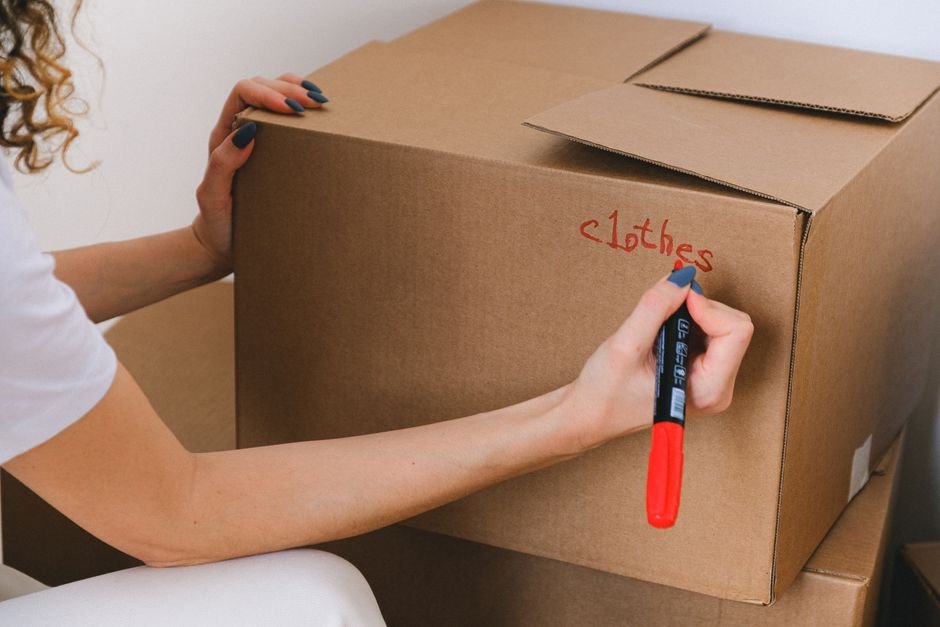
House move deep clean is a vital checklist task for anyone on the brink of transitioning into a new home. The challenge is clear: ensuring the old house is left spotless, while the new one is ready for you to move in without a hitch. This guide breaks down the essential steps to tackle the deep clean with ease and efficiency, ensuring a smooth transition at both ends.
Quick answer: House move deep clean involves a thorough top-to-bottom clean, ensuring every surface in the property, such as skirting boards, windows, and carpets, is left spotless; it often takes a full day or more. Prioritising key rooms like the kitchen and bathrooms ensures hygiene and meets landlord requirements.
You can find more helpful resources on endoftenancycleaningserviceglenrothes.com.
Key Takeaways
- Deep cleaning is key for tenancy agreements.
- It helps prevent deductions from deposits.
- Focus on kitchens and bathrooms first.
- Use quality cleaning products for best results.
- Allocate sufficient time for a thorough job.
House Move Deep Clean: Why It’s Important
A house move deep clean is essential because it ensures the home is left in pristine condition for the next occupant, meeting tenancy agreements and potentially avoiding deposit deductions. A comprehensive clean addresses hygiene and aesthetic issues, helping to make a good impression throughout the entire property.
Leaving a property squeaky clean might sound like a chore, but it’s crucial. Not only does a meticulous deep clean ensure you’re in good standing with letting agencies or landlords, but it also helps with reclaiming your full deposit. According to the rental rules outlined by Gov.uk, most tenancy agreements contain clauses demanding properties be cleaned to a high standard upon vacating.
Having a comprehensive checklist can ease this daunting task. You’ll want to consider every corner of your home when cleaning. This means reaching those often neglected areas like behind kitchen appliances and inside the cupboards. It’s not just about surface appearances; it’s about hygiene and respect for future occupants. Even if you’re not bound by a formal rental contract, leaving a clean home is a courtesy that reflects well on you.
Take Sasha’s experience when she was moving out of her flat in Edinburgh. Having rented for six months, she knew she had to deep clean before handing the keys back. Sasha tackled her worn-out carpet with a rented carpet steam cleaner, completely transforming the look and feel of the place. Her thoughtful preparation meant her landlord had no reason to withhold any part of her deposit.
Starting with the right tools and a strong cleaning product helps. It could be tempting to rush through cleaning tasks with whatever’s at hand, but investing in quality cleaning solutions makes a difference. Use items like heavy-duty sponges, a powerful vacuum cleaner, and natural cleaning products that are safe for the environment and efficient enough to tackle even the most stubborn stains.
What’s the correct order for a house move deep clean?
Starting with a plan helps ensure your house move deep clean covers all bases efficiently. Begin from the top and work your way down, starting with ceilings and overhead fixtures, then moving to walls and windows, and finishing with floors. This order prevents dust and debris from settling onto already cleaned surfaces as you progress.
Grab a pen and paper or your smartphone. Jot down a quick room-by-room checklist. That’ll help you keep track of which corners and crannies need specific attention. Often overlooked, the sequence can make or break the efficiency of your clean. Starting with ceilings and light fixtures ensures gravity doesn’t betray your hard work. Dust falls. Let it land on surfaces not yet tackled.
Once you’ve made your way to the walls, remember to consider any paint or wallpaper peculiarities. Different materials need varied cleaning products. Using the wrong one might ruin a good wall, and you’d be stuck with an unnecessary expense right as you’re moving out. With windows, always finish by wiping frames and sills to capture any loose dirt.
Many miss a trick with floors—particularly when moving furniture uncovers hidden spots. First, sweep thoroughly, getting into corners you don’t usually reach. Then mop or wipe down with a cleaner suitable for the flooring type. Wooden floors might need a different approach than tiles. You’d hate to leave any streaks marking a job only half done.
According to Which?, the right floor cleaner can drastically reduce bacteria and dirt, achieving a 38% higher cleanliness level than water alone. It’s often about the details that seem minor but add up to a pristine final product.
In practice, a common mistake is neglecting skirting boards. They’re often left dusty, undermining the impressive cleanliness you’re aiming for. A quick wipe with a damp cloth can prevent this oversight.
Which cleaning products should I use for moving house?
The right cleaning products for a house move make the difference between a surface-level clean and an impressively deep clean. Essentials include all-purpose cleaner, glass cleaner, floor cleaner, and speciality bathroom disinfectants. Prioritise products designed for multi-surface use to cover more ground quickly.
Arm yourself with a versatile all-purpose cleaner to tackle most surfaces efficiently. It’s like your utility player in the cleaning team. Trustworthy brands usually mention on labels the surfaces they’re safe for. A glass cleaner should feature prominently, ensuring windows and mirrors are streak-free. Looking through spotless glass leaves an impression of a well-cared-for home.
Bathroom cleaning demands a hardier solution. Calcium deposits and soap scum build up quicker here than elsewhere. Pick a product with limescale-fighting properties. A quick note: If you have pets or sensitive family members, opt for non-toxic solutions. They’re safe and won’t pose health risks as you scrub away.
Floor cleaners vary by surface. Wooden floors appreciate products designed without harsh chemicals, while tiles might thrive on stronger, soap-based cleansers. For quick reference, keep a list of surfaces in each room with corresponding cleaning products. You save time by eliminating product guesswork mid-clean.
Interestingly, MoneySavingExpert suggests there’s often no need to buy expensive brands, as some budget lines perform just as well for basic cleaning tasks, saving you pounds without sacrificing results.
“To avoid residue, always follow up by rinsing or wiping surfaces with a damp cloth after applying cleaners,” advises a long-time property manager.
How can I make a house deep clean more efficient?
Maximising your efficiency during a house move deep clean involves strategic planning and focused execution. Consolidating tasks and using the right tools can significantly speed up the process without sacrificing quality. Plan your moves like a chess game — always a few steps ahead.
A solid approach starts with delegation if possible. Enlist family members or friends, assigning specific tasks based on competencies or preferences. Love windows? Great — focus there. Hate scrubbing floors? Hand that off. Justifying cleaning as a solo venture might sound noble, but more hands reduce stress.
Having the right tools at hand can transform the experience. Microfibre cloths, for instance, are highly effective for capturing dust. They often outperform regular ones while requiring minimal cleaning product. Using a broom and vacuum tandem can also save considerable time on floors. Clear excess clutter before you start. Nothing interrupts a good clean like having to move piles of items just to tackle a room.
Typically, devote time upfront to set out all supplies and gear. Having everything from vacuum cleaners to cloths and sprays ready avoids the chore of constantly hunting down missing items. It’s like having your mise en place ready if you’re a chef: everything well-organised makes for a smoother operation.
According to HSE, efficiently managed projects can free up 20-30% more time by reducing task completion times. Apply this principle in your deep cleaning venture for valuable time savings.
Many find they forget to clean hidden or hard-to-see areas, such as the tops of cabinets or behind the oven. Address these spots early on when energy levels are higher to ensure they don’t become oversight casualties.
And if you’re ready to learn more about maintaining a healthier and cleaner living space, you might enjoy our article on .
Frequently Asked Questions
How long does a deep clean take when moving house?
The time for a deep clean depends on your home’s size and current condition. For a three-bedroom house, expect to spend at least a full day. If you add windows, carpets, and kitchen appliances, it can stretch to two or three days. Planning enough time makes a world of difference.
Should I hire a professional cleaning service or do it myself?
Choosing between a professional service and DIY depends on your budget and time. Professional services are pricier but ensure thoroughness. DIY is cost-effective and gives you control but might take more time. Calculate your preference based on these factors.
What cleaning supplies are essential for a house move deep clean?
Essential supplies include all-purpose cleaner, disinfectant, window cleaner, oven cleaner, and microfibre cloths. A good vacuum and mop are vital too. For stubborn areas, consider a steam cleaner or specialised products. Stock these before starting to avoid interruptions.
How do I clean carpets during a deep clean?
First, vacuum thoroughly to remove loose dirt. Then, use a carpet cleaner following the instructions on the machine and detergent. Hiring a professional for steam cleaning might be worthwhile if carpets are visibly stained. Consider frequency based on your home’s traffic.
Are there any specific regulations on cleaning when moving out of a rental?
Yes, landlords often require the property to be as clean as when you moved in. This means professionally cleaned carpets and tidied appliances. Check your tenancy agreement or consult Citizens Advice for specific guidance on your responsibilities.
I’ve been writing about home cleaning and organisation for over a decade, focusing on practical and cost-effective strategies that genuinely help in stress-free moves.
Final Thoughts
A successful house move deep clean involves careful planning, essential supplies, and possibly professional help. Clean thoroughly by focusing on each room’s unique challenges, from greasy kitchens to dusty skirting boards. Allocate sufficient time for a professional result, whether you go DIY or hire help.
Your proactive approach now leads to a smoother move-in, ensuring your new home is welcoming and spotless from day one. Ready to get started? Begin by setting aside a dedicated cleaning day and gathering all the necessary supplies.
For more tips on managing your move, visit Which? and explore their house removal advice.
- Sort Your Supplies: Begin with a comprehensive checklist of cleaning products like multi-surface sprays, sponges, microfiber cloths, and vacuum bags. Stock up as needed to avoid disruption on cleaning day.
- Room-by-Room Strategy: Focus on one room at a time. Declutter, dust, and vacuum thoroughly to purge any lingering dirt from previous inhabitants.
- Deep Clean Specifics: Pay extra attention to high-touch surfaces such as doorknobs, light switches, and countertops. Ensure kitchens and bathrooms are sanitised thoroughly.
Embrace this opportunity to truly settle into your new space, knowing it’s been meticulously prepared just for you.
📚 You May Also Like
References
- [1] Gov.uk — https://www.gov.uk/renting-out-a-property
- [2] Which? — https://www.which.co.uk/reviews/cleaning-products/article/guides/best-floor-cleaner
- [3] MoneySavingExpert — https://www.moneysavingexpert.com/utilities/cheap-cleaning-products
- [4] HSE — https://www.hse.gov.uk/pubns/indg171.htm
- [5] Citizens Advice — https://www.citizensadvice.org.uk/housing
- [6] Which? — https://www.which.co.uk/reviews/house-removals


