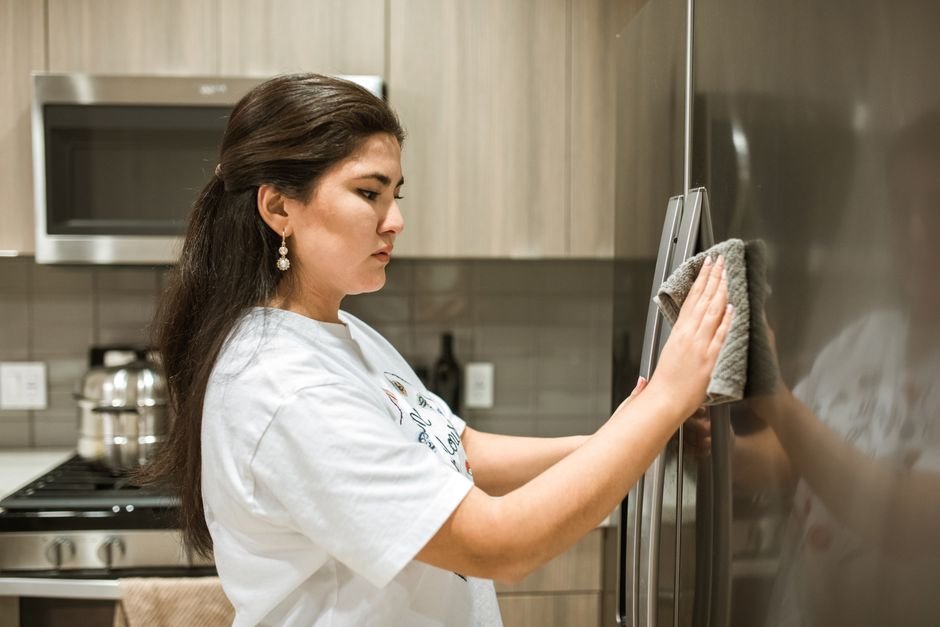
House cleaning can be an overwhelming task if you don’t know where to start. Many people struggle with maintaining a spotless home due to busy schedules and not knowing the best cleaning techniques. This article promises to simplify the process with a step-by-step guide to keep your home sparkling without the hassle.
Quick answer: House cleaning requires a clear plan: declutter first, then dust and vacuum, and finally tackle bathrooms and kitchens thoroughly. Focus on one room at a time to avoid feeling overwhelmed. Regular maintenance is key to a consistently clean home.
You can find more helpful resources on endoftenancycleaningserviceglenrothes.com.
Key Takeaways
- Declutter before cleaning
- Tackle one room at a time
- Always dust before vacuuming
- Focus on kitchens and bathrooms last
- Schedule regular maintenance
House Cleaning: Where Should You Start?
House cleaning can feel like an uphill battle if you’re not sure where to begin. Start by decluttering. This step is essential because a clutter-free environment makes it easier to clean and maintain order. Toss out or donate items you no longer need, and keep frequently used ones in accessible spots.
Starting with decluttering sets the tone for the rest of your cleaning session. You’ll find it significantly reduces the mess and clears the way for a more thorough clean. It’s akin to setting the stage before a performance, giving clarity and direction. Without this, house cleaning becomes an endless loop of shuffling clutter from room to room without making real progress.
Once the clutter’s dealt with, it’s time to address the dust and dirt. Do this systematically. Move room by room, starting from the top — literally. Dust high surfaces like shelves and ceiling fan blades first, allowing the dust to settle on the floor before vacuuming. This method ensures you don’t need to re-clean areas after the dusting. Practical? Absolutely.
Imagine you’ve just decluttered the living room. With clear surfaces, you notice a layer of dust on forgotten bookshelves. You tackle these first, then move down to side tables, finally ending with a sweep or vacuum. The workspace is decluttered, cleaned, and you’ve not left a mess behind.
Here’s a practical tip: schedule a ‘declutter day’ every month. It helps keep the house in check and makes the cleaning less daunting. Use functional storage solutions and label boxes to store similar items together. Regular decluttering not only saves cleaning time but also increases the lifespan of your possessions by keeping them in good condition.
How to Tackle Dust and Dirt Effectively
Dealing with the dust and dirt in your home is vital to maintaining a healthy living environment. Research highlights that dust can exacerbate allergies and asthma, making thorough cleaning essential. Prioritise dusting before other tasks to capture it while it’s unsettled. Using microfiber cloths, which attract and hold dust, makes this task more efficient.
Dust is sneaky. It hides in plain sight, accumulating on mantels, skirting boards, and light fixtures. The trick is to dust regularly and reach those often overlooked areas. A consistent cleaning schedule helps. According to the British Allergy Foundation, cleaning strategies that focus on dust control can significantly reduce allergy symptoms in susceptible individuals.
If you’re prone to allergies, opt for hypoallergenic dusting tools. Electrostatic dusters can reach tight spaces, and air purifiers can help reduce airborne particles. Many professional cleaners recommend a systematic approach: dust, vacuum, then mop. This sequence captures the maximum amount of dust, dirt, and allergens.
Take the kitchen, for example. Before wiping countertops, dust high cabinets and shelves. Don’t forget behind appliances, a commonly neglected spot where dust accumulates unnoticed. Cleaning in the right order means you capture all particles in one go, leaving surfaces shining.
To make house cleaning less of a chore, invest in good-quality tools. A sturdy vacuum with HEPA filters is invaluable for sucking up fine particles. It might cost a little more initially, but it pays off in efficiency and a healthier home environment. Regular cleaning with the right techniques prolongs the life of your furnishings and appliances, too.
Organising Your Cleaning Routine for Success
An organised cleaning routine is the backbone of effective house cleaning. Setting a regular cleaning schedule helps maintain your home’s cleanliness without overwhelming yourself. The key is consistency — set aside specific days or times for different tasks and stick to this plan.
Achieving a tidy home isn’t about cleaning everything in one long session. Instead, break tasks into manageable chunks. Many home cleaning pros suggest focusing on one room per day. This approach not only divides the workload but also gives you a sense of accomplishment as you complete each area.
Time management plays a crucial role here. Use timers to stay focused and avoid over-cleaning. Allocate 15-30 minutes per cleaning session. The Mental Health Foundation notes that a clutter-free and orderly environment can significantly reduce stress levels and enhance your mental well-being.
For instance, dedicate Mondays to the kitchen. Clean surfaces, organise the pantry, and check that all appliances are working efficiently. This targeted approach ensures no area is neglected and makes cleaning part of your routine rather than an occasional bother.
What about those who say they have no time? Little and often works better than sporadic marathon cleaning sessions. Prioritise high-traffic areas and tackle the rest when you can. Implementing a weekly plan keeps you on track and makes cleaning time-efficient. Plus, a clean space leads to a calm mind, boosting overall satisfaction with your home.
What’s the Right Approach to Cleaning Floors?
Cleaning floors requires specific techniques based on floor type, from vacuuming carpets to mopping tiles. Start with understanding your floor material, then use products designed for that surface. A well-maintained floor makes a significant difference to your home’s overall cleanliness and appearance.
Each floor type demands different care. For carpets, regular vacuuming is essential to remove dust and allergens. Hard floors like wood or laminate need gentle sweeping and mopping with a suitable cleaner that won’t damage the finish. Tiles, meanwhile, often require a mop and occasional scrubbing of grout to keep them looking fresh. By selecting appropriate cleaning tools, you extend your floor’s life and keep them looking their best.
It’s crucial to check the manufacturer’s care guidelines. They often provide specific instructions to prevent damage, especially when dealing with delicate or high-maintenance materials. For instance, natural stone floors might require sealing every year to protect against stains and moisture. This proactive care can prevent future expenses on repairs or replacements and help maintain property value, a crucial consideration for homeowners.
Statistics from Which? show that 70% of UK homes use vacuum cleaners at least twice a week. This highlights the importance of having a vacuum that suits your specific floor types. For homes with a mix of carpet and hard floors, a versatile model with adjustable settings can make cleaning more efficient.
If you’ve got pets, consider this: animal hair and dander can accumulate quickly. A vacuum with strong suction and a rotating brush is particularly effective in these scenarios. Similarly, if you live in an area with high pollution, cleaning your floors more frequently can help prevent indoor air quality issues.
How Do You Ensure Kitchen Cleanliness?
Keeping a kitchen clean is paramount for preventing foodborne illnesses and maintaining a pleasant cooking environment. Start with regular cleaning of countertops, appliances, and the sink, followed by proper storage and disposal of waste. Consistent practice guarantees a hygienic and efficient kitchen.
Begun with clearing away clutter. Any unnecessary items on your countertop can harbour bacteria and make it harder to clean effectively. Once clear, disinfect surfaces regularly. Use antibacterials that are safe for food contact surfaces. Also, areas like the sink, where food residue regularly collects, should be scrubbed daily to avoid the buildup of germs.
Pots and pans need attention too. After cooking, clean them immediately to save time and effort later. If grease is a regular issue, a degreasing agent might be needed occasionally. Pay particular attention to your oven, as cooked-on food from spills can affect its efficiency. Cleaning will extend its life and prevent unpleasant odours from lingering.
According to Food Standards Agency, over 500,000 cases of foodborne diseases are reported annually in the UK. This underscores the importance of regular kitchen disinfection and safe food handling practices to prevent such illnesses from occurring in your home.
Imagine a busy family scenario: dinners rushed during the week spill easily onto counter tops and children forget to wipe up. To prevent this snowball effect, instil cleaning habits, like wiping down after each meal and ensuring everyone pitches in. Small daily tasks prevent overwhelming chores at the end of the week.
Is There a Difference in Bathroom versus Kitchen Cleaning?
Yes, bathrooms face specific kinds of dirt like soap scum and limescale, requiring different cleaning solutions compared to kitchens. Focus on disinfecting frequently touched surfaces in bathrooms and addressing moisture-prone areas to prevent mould growth and keep fixtures shining.
The bathroom’s humid environment is a breeding ground for mould and mildew, particularly in shower areas. Preventing these requires proper ventilation and regular cleaning. Use a solution designed for limescale on taps and shower heads, as the hard water common across the UK often leads to this stubborn deposit. By maintaining these areas, you avoid more significant issues like long-term staining or damage.
Focus on disinfecting handles, toilet flushes, and shower controls. These high-touch areas are hotspots for germs. Don’t neglect the bath mat and towels either; they need regular washing to stay fresh and hygienic. Bathroom cleaning doesn’t only ensure surfaces are spotless; it supports health, warding off fungi and bacteria proliferation.
Feedback from Which? indicates that 40% of people overlook cleaning bathroom tiles regularly. This can lead to hidden grime build-up needing aggressive cleaning later. By maintaining a consistent routine, you keep surfaces easier to clean and prevent harsh chemicals or significant elbow grease later.
Consider a rapid post-shower spritz of daily cleaner in the shower, a neat trick to cut down deep cleaning time. Consistent habits simplify the process, as seen from savvy experts who recommend developing a routine which forms a crucial part of maintaining a welcoming home.
“Consistent maintenance prevents sudden big tasks. A quick clean regularly is better than a deep clean that’s infrequent, saving time.” – Household Cleaning Specialist
Frequently Asked Questions
How often should I deep clean my house?
In general, deep cleaning every three to six months is sufficient. It depends on your household’s size and lifestyle. Homes with pets or children might need more frequent deep cleaning to tackle accumulated dirt. Regular cleaning routines can help keep deep cleaning less daunting. Which? provides tips for maintaining a cleaner home between deep cleans.
What is the best way to clean hardwood floors?
To clean hardwood floors effectively, use a microfibre cloth or mop and a cleaner specifically designed for wood surfaces. Avoid excess water, which can damage the wood. Regular dusting also helps maintain their shine. For more on keeping hardwood in top condition, RHS offers some practical guidelines.
Can I mix cleaning products?
Mixing cleaning products is generally not advisable unless indicated safe by the product’s instructions. Combining bleach with ammonia, for instance, creates toxic fumes. If in doubt, stick to a single product. Your safety comes first, and it’s better to apply products separately for a safe, clean home.
How can I make my cleaning routine more efficient?
To streamline your cleaning, establish a schedule that breaks tasks into manageable chunks. Focus on one area at a time and use multipurpose products to save time. Many people find cleaning days more efficient when multitasking with other chores, like laundry. Adjusting your approach can save you time and effort.
Is it worth investing in eco-friendly cleaning products?
Eco-friendly cleaning products reduce your environmental impact and are generally safer for your family and pets. While they might be pricier, many find the long-term health benefits and reduced chemical exposure worthwhile. Consider your cleaning priorities, such as effectiveness versus environmental concern, when deciding.
Author credibility: With years of experience testing cleaning products and transforming cluttered homes, the author knows what works.
Final Thoughts
House cleaning doesn’t have to be overwhelming. Whether you choose DIY, hire professionals, or go green, what matters is consistency. A clean home supports wellbeing, allows relaxation, and boosts productivity.
Your next step? Pick a room, set a timer for fifteen minutes, and start tidying. The more regularly you clean, the easier it gets. Looking for guidance on specific tasks? Explore for more detailed tips.
Benefits of Regular House Cleaning
Regular cleaning not only maintains the aesthetics of your home but also improves indoor air quality, reduces allergens, and prevents the accumulation of bacteria and pests. It creates a pleasant living environment that promotes mental clarity and reduces stress. Consistency in cleaning routines establishes a sense of order and discipline, fostering healthier living habits over time.
Essential Tools and Supplies
Equipping yourself with the right tools can make all the difference. Some basic supplies include multi-surface cleaners, microfibre cloths, a vacuum cleaner, and a mop. Specialty tools like dusters for high-reaching areas or scrubbing brushes for tough stains can be valuable additions. Eco-friendly products are also widely available and are beneficial for both your health and the environment.
Efficient Cleaning Tips
Efficiency can be easily achieved by decluttering first, followed by dusting surfaces from top to bottom, vacuuming or sweeping floors, and finally mopping to eliminate remaining dirt. Implementing designated cleaning schedules, like focusing on bathrooms one day and the kitchen the next, ensures comprehensive maintenance without exhaustion. Remember, small, consistent efforts accumulate into significant results.
📚 You May Also Like
References
- [1] Which? — https://www.which.co.uk/reviews/vacuum-cleaners/article/best-and-worst-vacuum-brands
- [2] Food Standards Agency — https://www.food.gov.uk/safety-hygiene
- [3] Which? — https://www.which.co.uk/news/2019/06/dirty-bathrooms-put-at-risk
- [4] Which? — https://www.which.co.uk/reviews/cleaning-products/article/how-to-clean-your-home
- [5] RHS — https://www.rhs.org.uk/advice/profile?pid=148


