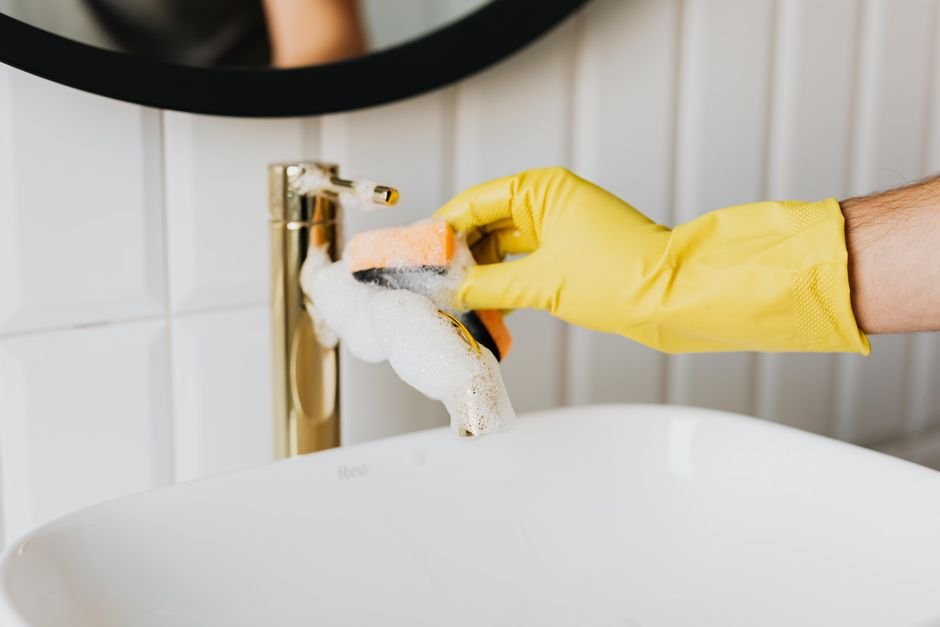
Rental bathroom inspection cleaning, often overlooked by tenants, is essential for ensuring hygiene and avoiding deductions from your deposit. Many renters find themselves in a pickle during inspections when bathrooms aren’t up to snuff. This guide walks you through the steps to achieve a gleaming, inspection-ready bathroom.
Quick answer: Rental bathroom inspection cleaning involves scrubbing all surfaces, removing limescale, checking for mould, cleaning grout, and ensuring fixtures are spotless. A thorough clean can prevent common deposit deductions and ensure you pass inspections with ease.
You can find more helpful resources on endoftenancycleaningserviceglenrothes.com.
Key Takeaways
- Ensure surfaces are limescale-free
- Check and clean grout lines
- Remove any signs of mould
- Polish fixtures like taps and showerheads
- Use approved cleaning products
Rental Bathroom Inspection Cleaning: What Should You Know?
Rental bathroom inspection cleaning ensures that bathrooms meet tidy and hygienic standards to avoid deposit deductions. Landlords expect a spotless bathroom after a tenancy. Knowing where they’ll look during inspections helps avoid nasty surprises.
In the UK, landlords can deduct from your deposit if the property, including the bathroom, isn’t cleaned to a professional standard. According to Citizens Advice, disputes over cleaning account for over half of all deposit disputes. Failing at bathroom cleanliness is a common issue. So, it’s crucial to ensure this area is spotless.
But where should you start? Begin from the top down as dust and grime settle downwards. Clean light fixtures and mirrors first, then wipe down walls. Grout lines often hide dirt, and water spots can accumulate unnoticed. It’s rigorous, but a necessary task.
Think of deposits. If you’re aiming to reclaim your full deposit, cleaning the bathroom is non-negotiable. A tenant once found themselves losing part of their deposit due to a mouldy seal around the bathtub. Simply overlooked during rushed moving preparations, yet costly in hindsight.
The cleaning process doesn’t have to be arduous. Utilize bathroom-specific cleaners; most do a fantastic job. Make sure you use cloths or sponges suited to surfaces to avoid damage. Often, the little details, such as spot-free taps or squeaky-clean tiles, make a world of difference — that’s what inspectors want to see.
If you need more tailored rental cleaning advice or want to ensure your entire property is ready, check out our other resources:
Why Is It Important to Clean Thoroughly?
Thorough cleaning before an inspection is crucial to ensure returning deposits. The bathroom is often the hardest-working room in a house. Ensuring it’s clean can affect everything from odour to aesthetics, a crucial point if a landlord inspects the premises.
According to the Citizens Advice, many tenants underestimate the importance of a thoroughly clean bathroom. Landlords often cite mould, grime, and limescale as reasons for deposit deductions. The bathroom, with its specific cleaning needs, requires attention and detail.
Start with taps and handles. Water spots can make these look old and uncared for. Vinegar or limescale removal solutions can make these gleam again. The job is as much about maintenance as it is about making a good impression.
Take a Tuesday afternoon, for instance. You decide to give your showerhead a spruce. Upon closer inspection, it’s clogged with limescale — affecting your shower’s pressure. A quick scrub with a vinegar solution improves water flow. Plus, it looks better.
Proper tools are half the battle. Use microfibre cloths for polishing, they don’t leave lint behind, leaving your surfaces gleaming. Remember to wear gloves; some cleaning products can irritate your skin. Prepare for the inspection by creating a checklist — cross off as you clean to avoid missing anything.
Step-by-Step Guide to Rental Bathroom Cleaning
Here’s a step-by-step guide for rental bathroom inspection cleaning to ensure a pristine space. Starting at the top and working your way down wards can help maximise cleaning efficiency.
Prepare your cleaning tools and products in advance. Supplies may vary but generally include a mop, brush, vinegar, bleach, and gloves. Tasks include scrubbing, limescale removal, and grout cleaning. Ensuring adequate ventilation is crucial to avoid inhaling fumes.
Tackle the tiles and grouting first. Use a brush or old toothbrush, applying bleach for intense clean. Pay special attention to corners where grime accumulates. A common mistake is forgetting to rinse bleach thoroughly — residue can attract more dirt.
Picture a person, inspecting the bathroom. They notice a watermark on the shower door. But they can’t see the glass is now clear thanks to a combination of scrubbing and vinegar. Little touches make a big difference. Spotless mirrors, streak-free tiles — these are the details that pass inspection.
Bleach is a robust option for whitening grouts, but ensure it’s thoroughly rinsed off. Try eco-friendly options if possible. Essential oils or lemon juice can add a fresh scent, leaving your bathroom smelling clean and fresh.
For a specialist touch, consider hiring professional cleaners. They might already have done hundreds of such inspections and know intricate tricks to nail it. However, if you prefer the DIY route, these steps should ensure great results. Any more tips you’d like?
What Are Common Mistakes in Rental Bathroom Cleaning?
The most common mistakes in rental bathroom cleaning include neglecting hidden areas, using inappropriate cleaning products, not rinsing surfaces thoroughly, and skipping routine checks. Avoid these errors to maintain a spotless bathroom and avoid unexpected repair costs. Overlooking these mistakes can make the bathroom appear unclean, leading to tenant dissatisfaction and potential damage to fixtures.
Tenants often neglect areas like behind the toilet or under the sink. These nooks can gather grime over time, and if ignored, they eventually lead to bad odours or even pest issues. So, don’t just focus on the visible areas. Take the extra minute to check every corner. Tenants notice, and they appreciate that attention to detail.
Using the right products is key. Many people grab whatever cleaner is cheapest or in closest reach. However, some products aren’t suitable for certain surfaces and can damage tiles or the grout holding them together. Always check the labels for compatibility with your bathroom fittings. For instance, bleach can erode certain finishes, leaving behind a dull surface.
Thorough rinsing is another frequently overlooked step. Residual cleaning chemicals can create a build-up, leaving surfaces sticky or even discoloured. Renting a property means frequent checks and ensuring that all cleaning residues are washed away. It’s simple: after scrubbing, rinse everything down with warm water. This step can save you from future hassle.
Routine inspections aid in catching early signs of wear and tear. According to Which?, regular maintenance can reduce major repairs effectively. During these checks, look for grout erosion, mildew, and even minor leaks that might go unnoticed during regular cleaning.
“Many renters forget the ceiling in bathrooms, yet mould often starts here. A quick wipe can prevent serious mould growth.” – Property Manager Insight.
How Often Should a Rental Bathroom Be Cleaned?
For a rental property, bathrooms should be cleaned weekly at a minimum for hygiene and tenant satisfaction. However, a deeper clean every month helps tackle stubborn grout stains and prevent mildew. Consistency ensures a pleasant environment and reduces the need for professional cleaning services.
A weekly routine might sound frequent, but it’s surprisingly achievable with the right plan. Start with cleaning tiles and wiping down surfaces. Monthly deeper cleans should include grout scrubbing or sealing and cleaning vent covers. Consistent attention to these areas keeps the bathroom spick and span, saving on potential repair costs later.
Tenants often question the necessity of such frequent cleaning, but consider this: bathrooms are high-traffic areas, subject to constant moisture and soap residues. According to the Public Health England, keeping these spaces sanitary is vital to reducing the spread of germs.
For those convincing tenants, it helps to break it down into manageable tasks. Clean the sink and taps after every use—just a quick run-over with a cloth does wonders. Shower curtains can be thrown in the wash once a month. Even small things like scrubbing tiles or bleaching drains take minutes but make a huge impact.
A consistent schedule not only ensures a clean environment but helps avoid tenants’ disputes. Many professionals find that establishing a shared cleaning rota in communal rentals reduces tension. And it shows tenants you’re committed to their wellbeing and comfort.
In practice, it’s easy to overlook routine cleans when life gets busy. In a shared rental, especially, assign tasks to each tenant to ensure fairness. A simple list on the fridge can keep everyone on track.
What Materials Are Best for a Rental Bathroom Cleaning Kit?
An effective rental bathroom cleaning kit should include a variety of scrub brushes, non-abrasive cleaners, microfiber cloths, a good grout cleaner, and protective gloves. The right materials ensure thorough cleaning without damaging fixtures and surfaces, important for maintaining the bathroom’s appearance and functionality.
Start with brushes. A range of sizes helps tackle different tasks – a small brush for grout lines and a larger one for broader surfaces. Microfiber cloths are superior for wiping mirrors and tiles. They absorb moisture well and leave less lint behind compared to cheaper alternatives.
Choosing the right cleaning products can be tricky. Many assume harsh chemicals are necessary, but these can wear down surfaces over time. Instead, a good non-abrasive cleaner is your best friend. According to which.co.uk, enzyme cleaners are gentler yet highly effective at breaking down organic matter, making them ideal for rental environments.
Don’t underestimate the need for grout cleaners. Grout is porous, attracting grime. A specialised cleaner keeps it looking fresh. And always protect yourself with gloves. Frequent exposure to cleaning chemicals can irritate your skin, so donning gloves prevents unnecessary contact.
Regularly replenishing your cleaning kit is essential. Consider labeling bottles or supplies to avoid confusion or misuse. A well-equipped kit saves time and keeps the bathroom in top-notch condition. And that’s something tenants and landlords can both appreciate.
In practice, many overlook the power of dual-purpose products. For instance, white vinegar works as a natural disinfectant and can also deodorise drains. It’s budget-friendly and versatile, making it a staple in any cleaning kit.
Frequently Asked Questions
How often should you clean a rental bathroom?
Ideally, a rental bathroom should be cleaned weekly. Regular cleaning prevents the build-up of grime and ensures hygiene for tenants. However, the exact frequency might vary based on usage. For properties with high turnover, more frequent cleaning may be necessary.
What cleaning products are most effective for bathrooms?
Products containing bleach are effective in removing tough stains and disinfecting surfaces. However, for a greener approach, consider using products with natural ingredients like vinegar and baking soda. Options like these are suitable for both everyday cleaning and tackling tougher spots.
Can tenants be charged for bathroom cleaning?
Landlords can charge tenants for cleaning if it’s clearly stated in the tenancy agreement. Typically, this applies if a tenant leaves the property in poor condition. Check with Citizens Advice for guidelines on tenant responsibilities and rights.
What should landlords include in a bathroom inspection checklist?
A thorough checklist would include tiles, grout, fixtures, mirrors, and any signs of mould or limescale. Regular inspections help maintain property value and tenant satisfaction. Gov.uk provides comprehensive advice on property inspections.
How can eco-friendly products benefit rental properties?
Eco-friendly cleaning products minimise environmental impact and offer health benefits by reducing chemical exposure for tenants. They also often have biodegradable packaging, which can enhance a property’s appeal to environmentally-conscious renters.
Author credibility: An experienced property manager, the author offers insights drawn from a decade in rental property maintenance and tenant relations.
Final Thoughts
For effective rental bathroom inspection cleaning, remember to clean regularly, use the right products for the job, and address any issues early to prevent costly repairs. Maintaining cleanliness not only ensures tenant satisfaction but also preserves the property value over time.
Consider setting reminders for regular inspections and tackling any emerging issues promptly. Engage tenants with clear expectations, potentially outlined via to ensure a collaborative approach to maintaining cleanliness standards.
📚 You May Also Like
References
- [1] Citizens Advice — https://www.citizensadvice.org.uk/housing/tenancy-deposits/claiming-your-tenancy-deposit-back/
- [2] Which? — https://www.which.co.uk/reviews/cleaning-products/article/cleaning-your-bathroom-a1H3t8t56
- [3] Public Health England — https://publications.parliament.uk/pa/cm5801/cmselect/cmenvaud/851/85102.htm
- [4] which.co.uk — https://www.cleaning-matters.co.uk/page_768509.asp
- [5] Gov.uk — https://www.gov.uk/private-renting


