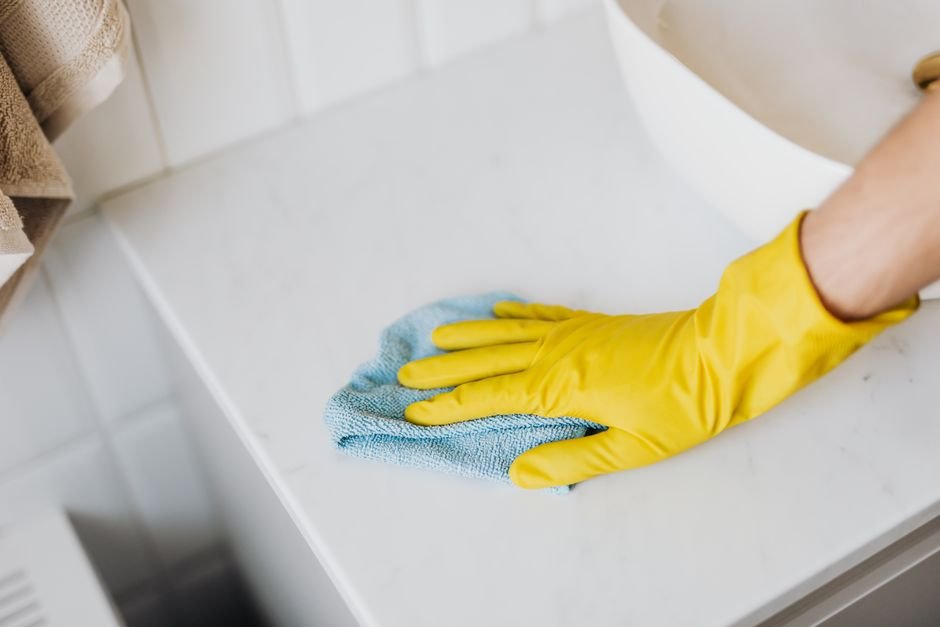
Deep cleaning vs regular cleaning — these two approaches raise a lot of questions. Are you struggling to figure out which one you need and when? This article will help you understand the differences and decide on the best cleaning strategy for your needs.
Quick answer: Deep cleaning vs regular cleaning is about intensity and frequency. Regular cleaning keeps your home tidy day-to-day, while deep cleaning tackles grime you can’t see. Ideally, do a deep clean every six months and keep up regular cleaning weekly to stay on top of things.
You can find more helpful resources on endoftenancycleaningserviceglenrothes.com.
Key Takeaways
- Deep cleaning targets hidden dirt and grime.
- Regular cleaning maintains daily cleanliness.
- Deep cleaning requires more time and effort.
- Regular cleaning focuses on visible surfaces.
- A combination of both keeps your home healthy.
Deep Cleaning vs Regular Cleaning: Definitions and Differences
Deep cleaning vs regular cleaning boils down to effort and scope. Regular cleaning focuses on maintaining a tidy home through routine tasks such as vacuuming, dusting, and wiping down surfaces. It’s what you do weekly to keep things in order. Deep cleaning, on the other hand, involves a more thorough cleanse, tackling areas not typically covered in a regular clean, such as inside ovens and behind appliances.
In regular cleaning, activities like sweeping floors, dusting shelves, and quick window wipes are common. It’s often a brisk process, demanding little more than a couple of hours weekly. Deep cleaning, however, might require moving furniture to reach spots ignored in daily upkeep, and attention to places that invisibly gather dust and allergens. This form of cleaning might be done seasonally or before special occasions.
According to a poll conducted by the British Cleaning Council, about 60% of UK residents prefer regular cleaning due to time constraints, yet acknowledge the necessity of deep cleaning for overall health. Regular cleaning helps maintain a presentable home but doesn’t replace the exhaustive attention required for areas such as carpets, which collect deep-seated dirt over time.
Consider a family preparing to host relatives over the holidays. Regular cleaning could suffice for tidying up during regular times, but a deep cleaning session is what they’d engage in before guests arrive. They’d probably clean under their sofa, scrub the tops of kitchen cupboards, and steam the carpets, ensuring nothing’s overlooked.
A practical approach for the average household is to integrate both deep cleaning and regular cleaning into a schedule. Complete a deep clean twice a year, in spring and autumn, and perform regular cleaning weekly to keep chaos at bay.
Why Deep Cleaning Is Occasionally Essential
Deep cleaning is critical for eliminating grime that regular cleaning skips. Unlike regular routines, deep cleaning addresses neglected areas, removing dirt that could lead to long-term issues. It’s essential for hygiene, particularly in spaces like kitchens and bathrooms where bacteria thrives.
You’ll focus on tasks like scrubbing grout, descaling showerheads, and vacuuming behind large appliances. Regular cleaning neglects these because they’re labor-intensive and infrequent. But over time, neglecting them allows mould, mildew, and odours to creep in, undermining your home’s cleanliness.
The NHS stresses the importance of thorough cleaning practices to prevent health risks from mould and dust mites. Failing to deep clean could mean persistent allergies or asthma symptoms, particularly if family members have sensitivities.
Think about a small cafe owner in Glasgow. To keep her health rating up to scratch, she sets aside time each quarter for deep cleaning. This involves inspecting refrigerator seals, sanitising behind cookers, and washing down the entire extraction fans system. By doing so, not only does she maintain hygiene standards, but she also keeps her equipment running smoothly. Her regular cleans can keep surfaces shiny, but only a deep clean meets inspection standards.
If performing a deep clean seems daunting, don’t worry. You can enlist professional help if the task is too large or you lack time. Services often offer tailored solutions, tackling every nook and cranny in a fraction of time, freeing you from the worry of spots missed or allergenic residues lurking.
When Regular Cleaning Is Enough
Regular cleaning should be frequent and focused. It’s the practice of tidying up daily or weekly to keep your living space orderly. Unlike deep cleaning, it doesn’t require intense scrubbing or shifting heavy furniture. For many, it’s the bulk of their cleaning routine.
Activities in regular cleaning might include vacuuming, dusting, and quick disinfecting of surfaces like kitchen counters and bathroom fixtures. These tasks prevent everyday build-up of dirt and can typically be accomplished in under an hour a week, leaving room for other daily tasks and relaxation.
Many UK households see regular cleaning as essential to avoid clutter and maintain a pleasant atmosphere, according to a survey by YouGov on cleaning habits. It’s affordable, too. Often needing only basic supplies like dish soap, a vacuum, and a reliable duster, it makes consistent upkeep straightforward even for those on a tight budget.
Take a busy single professional in London as an example. She relies on regular cleaning to keep her flat presentable. After work, she’ll quickly vacuum and wipe surfaces — concentrating on areas like the kitchen and living room where she spends most time. Deep cleaning may be infrequent due to her schedule, but regular cleaning keeps her home from chaos.
The key to regular cleaning is setting a routine that fits your lifestyle. Assess your most-used spaces and adjust the frequency based on necessity. Little and often works wonders. No need to exhaust yourself. A touch each week keeps the overwhelming chores at bay.
How Do You Prepare a Space for Deep Cleaning vs Regular Cleaning?
If you’re about to dive into deep cleaning or just stick with regular maintenance, preparation is key. Each cleaning type requires different preparations to ensure effectiveness and efficiency. For deep cleaning, clear out spaces and move furniture. Regular cleaning demands a quick tidy and dust removal, making surfaces accessible.
Deep cleaning requires more time investment. Start with removing clutter. Get everything out of the way—books, ornaments, and small furniture. This exposes surfaces for thorough cleaning. You might need to move furniture too, so any underlying grime doesn’t escape your sight. Regular cleaning, in contrast, can often be managed without shifting heavy items. Focus on making surfaces clear of daily mess. Dust or wipe surfaces quickly, as you’re not doing a detailed scrubbing.
Air circulation is vital during a deep clean. Open windows and doors to allow fresh air in and help with drying. This can’t be overstated, especially when using strong cleaners. Regular cleaning might not involve chemicals, so you won’t need as much ventilation, but a bit of fresh air never hurts. Here’s where a quick opening of windows while dusting can suffice.
Organising your cleaning supplies is another step. For deep cleaning, ensure you’ve gathered the necessary tools: scrubbers, potent cleaners, a steam cleaner perhaps. Regular cleaning needs fewer supplies—a microfiber cloth, general-purpose cleaner, and perhaps a vacuum cleaner are typically enough. According to the Which? guide on household cleaning, having supplies ready reduces the chance of interruptions.
Maxine, a cleaning professional, highlights: “Preparation saves time. Know your challenges before you start, and plan your approach.” Her advice emphasises starting armed with knowledge and supplies, whether you’re tackling a regular weekly clean or a demanding deep clean.
Preparation might seem straightforward. But missing a step can disrupt the entire process. In deep cleaning, overlooking ventilation or a misplaced cloth can mean redo tasks. In a regular clean, forgetting supplies can only cause minor delays. Remember, careful preparation steers a smooth cleaning experience, whether it’s deep or regular.
Ensure you’ve checked for any specific cleaning requirements on new furniture or flooring. Some materials need particular care to avoid damage.
What Tools and Materials Differ Between Deep Cleaning and Regular Cleaning?
Deep cleaning and regular cleaning differ not only in intensity but in the tools and materials required. Deep cleaning often needs stronger chemicals and specialised tools, while regular cleaning sticks to basic supplies suitable for upkeep.
For a deep clean, think steam cleaners for carpets and upholstery, strong degreasers for kitchen grease, and even toothbrushes for grout lines. Imagine tackling a kitchen: grease and grime require a degreaser. A regular clean can get by with warm, soapy water. But for deep cleaning, substances clinging stubbornly need more oomph. Steam cleaning carpets isn’t a weekly task, but it does wonders in removing deep-set dirt when needed.
Conversely, regular cleaning demands simplicity. A multipurpose cleaner, a mop, and a vacuum cleaner typically suffice. The regular routine isn’t about deep penetration but about keeping surfaces maintained daily. Dust and polish woodwork. Vacuum carpets weekly and mop floors. Simple, right? This keeps everything functional without the intensive labour reserved for deep cleans.
According to RHS, choosing environmentally friendly products plays a role in both regimes. While regular cleans benefit from milder solutions, deep cleaning occasionally needs potent formulas. But where possible, eco-friendly choices can help limit harsh chemical exposure.
The practical side? Cleaning scenarios often blend across the two styles. You might embrace a seasonal deep clean across your home but still rely on regular upkeep in high-traffic areas. Keep both tool sets to tackle whatever cleaning situation arises—prepared for either a swift wipe or a full-scale assault on dirt.
In practice, many people assume all cleaning products can tackle any job, but using the wrong tool on a delicate surface or inappropriate material can cause damage.
How Often Should You Do Deep Cleaning Compared to Regular Cleaning?
Frequency varies based on needs, but generally, deep cleaning is seasonal, happening quarterly or biannually, while regular cleaning should occur weekly. The balance keeps spaces hygienic with manageable effort levels.
Why this disparity? Deep cleaning’s intensity aims to reach neglected spots and remove hidden dirt. Every three to six months is ample, ensuring no area gets too appalling. Regular upkeep maintains this cleanliness, making deep cleans less daunting. Daily chores handle obvious mess; weekly routines address creeping grime.
Your home’s nature drives how often you’ll do each. High traffic homes, like shared flats, might need more frequent deep cleans. Capacity depends on the use and the lives within the space. Weekly routines could double under greater traffic loads, while seasonal deep cleans deliver a deep purging amid busier interactions.
The UK Government suggests that regular cleaning habits help maintain mental well-being by promoting organisation and cleanliness. Mess affects stress levels, hence the significance of keeping daily routines consistent.
For instance, a family with young children might tackle clutter and spills throughout the week but set aside a day monthly for deeper interventions. This rhythm encourages harmony at home, balancing intense cleaning with informal upkeep. Choose a schedule right for your space.
Find your routine, but keep it fluid to adapt. Regular intervals spur momentum, but real-life needs spark adjustments. Evaluate your living habits and scale each cleaning type to match. Seasonal rhythms for deep dives, weekly pulses for ongoing order.
Frequently Asked Questions
What is included in a regular cleaning service?
A regular cleaning service generally covers basic tidying up, dusting, vacuuming, mopping floors, cleaning bathrooms, and kitchen maintenance. This type of service keeps your home tidy and free from everyday dirt and mess. It’s ideal for weekly or bi-weekly schedules for ongoing upkeep.
How often should I deep clean my house?
Most homes benefit from a deep clean two to three times a year. However, this can vary based on your lifestyle and household. If you’ve undergone renovations or have pets, you might increase the frequency. Deep cleaning helps address areas and tasks that are not covered in regular cleaning routines.
What is the difference between deep cleaning and regular cleaning?
Deep cleaning goes beyond the surface. It includes tasks like scrubbing grout, cleaning inside appliances, and reaching less accessible areas. Regular cleaning maintains day-to-day cleanliness. For instance, regular cleaning might wipe surfaces, while deep cleaning would wash windows and clear limescale.
Can I deep clean my home without professional help?
Yes, you can deep clean your home without professional help, but it requires more time and effort. Having the right tools and a detailed plan can make it manageable. If you’re tackling it yourself, focus on one room at a time to avoid becoming overwhelmed.
What are the benefits of hiring a professional cleaning service?
Professional cleaning services offer expertise, efficiency, and a thorough clean that can be difficult to achieve alone. They’re particularly useful for those with a busy schedule or for complex jobs. Services often bring their own professional-grade equipment and products, saving you the hassle.
Nina Chapman is a professional cleaner with over a decade of experience in both domestic and commercial settings, offering practical insights into achieving a spotless home.
Final Thoughts
When deciding between deep cleaning vs regular cleaning, it’s important to assess your household’s specific needs. Consider the size of your home, your budget, and how much time you want to invest. Combining both approaches can create an optimal cleaning routine.
Start by setting a regular cleaning schedule that fits your lifestyle. Use seasonal changes as reminders for deep cleaning tasks to ensure a fresh and healthy living environment.
For more tips on maintaining your home, visit the Which? cleaning guide or explore cleaning hacks on NHS Live Well.
For engaging discussions and community-sourced advice, check out popular forums and social media groups dedicated to cleaning tips.
📚 You May Also Like
References
- [1] Which? guide on household cleaning — https://www.which.co.uk/news/article/how-to-clean-your-house-a-step-by-step-guide-aYlFw3v5F2UN
- [2] UK Government — https://www.gov.uk/government/news/tips-on-domestic-cleaning
- [3] Which? cleaning guide — https://www.which.co.uk/reviews/cleaning-products