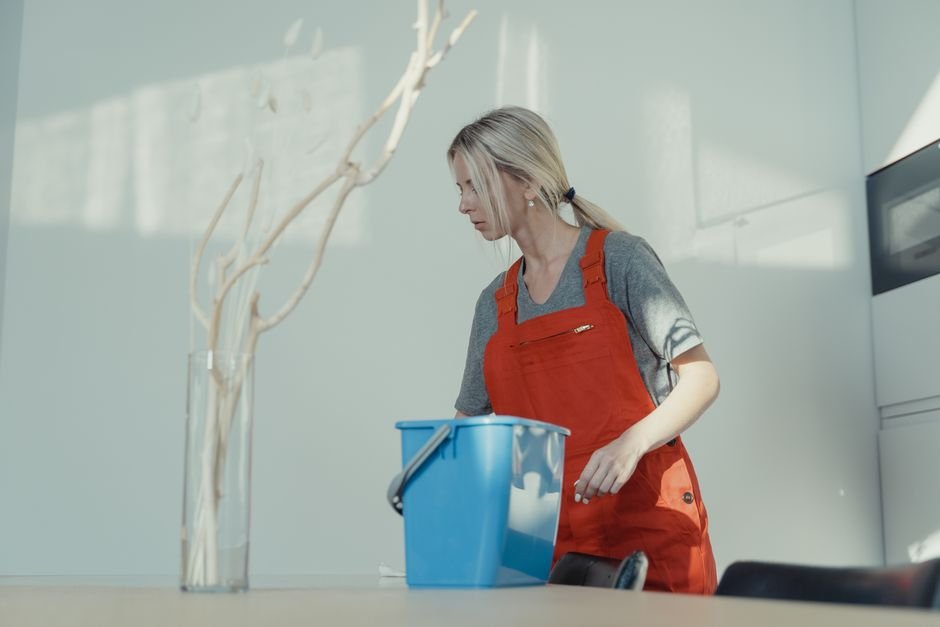
To prepare for professional deep clean, there are a few critical steps you need to take beforehand. Many people face the daunting task of decluttering and ensuring their homes are ready for cleaning teams. This article will guide you through simple steps to make the process as efficient and stress-free as possible.
Quick answer: Prepare for professional deep clean by tidying up, removing personal items, and ensuring areas that need attention are accessible. This preparation speeds up the cleaning process and ensures a more effective service. Key areas include kitchens, bathrooms, and frequently used spaces.
You can find more helpful resources on endoftenancycleaningserviceglenrothes.com.
Key Takeaways
- Declutter high-traffic areas first.
- Ensure all items are off the floor.
- Communicate specific cleaning needs.
- Secure valuables and personal items.
- Make cleaning areas easily accessible.
Prepare for Professional Deep Clean: Key Preparatory Steps
Preparing for a professional deep clean involves several steps, including tidying up, decluttering, and securing personal items. It’s crucial to create a clean slate for the cleaning team to work efficiently. Start with the most-used areas like kitchens and bathrooms, then move to bedrooms and living spaces. The goal is to make it easy for the cleaners to access all areas without precious time wasted on organising scattered belongings.
If you’re aiming for a spotless result, clearing clutter is non-negotiable. Many professional cleaners recommend beginning with the entryway and kitchen, two high-traffic areas prone to gathering junk. Remove shoes, bags, and any general clutter that may impede movement or cleaning. The less chaos in these areas, the quicker the team can focus on deep cleaning tasks like scrubbing surfaces and sanitising, which deliver the real value of the service.
This preparation phase doesn’t stop at tidying. Consider all the nooks and crannies. People often overlook the importance of clearing surfaces. Desktops, kitchen counters, and restroom shelves should be devoid of small items or paperwork that doesn’t serve an immediate purpose in that space. The cleaner each surface, the deeper the clean you’ll receive. Once this step is completed, cleanup and sanitisation can be faster and more thorough.
According to the Which? consumer guide, a professional deep clean can improve overall living conditions significantly by removing allergens and bacteria. Cleaning teams typically need full access to neglected areas such as tile grout and behind large furniture. This is where your pre-clean efforts show their worth — there’s no substitute for allowing those hard-to-reach spots to shine once they’ve been professionally cleaned.
Now, let’s tackle specifics. If you’ve got delicate items or family heirlooms lying around, secure them prior to the clean. This isn’t about distrust; it’s about safety. Expensive or sentimental items are best kept in a safe place, reducing any risk of accidental damage during cleaning. If questions arise about whether an item should be moved, err on the side of caution and place it out of harm’s way. Doing so ensures peace of mind while the cleaners perform their tasks.
What to Do Before the Cleaners Arrive?
Before the professionals arrive, make sure you know what needs cleaning, decide what to move or protect, and share any specific requests with the cleaners. You can improve efficiency and results by doing these things. Consistency in preparing for a cleaning session can prevent misunderstanding and promote a more satisfying outcome.
To begin with, make a checklist. Decide which areas need the most attention. Kitchens and bathrooms often require a deep clean to tackle accumulated grime and stubborn stains. Maybe your living room carpets have seen better days, or the windows in your conservatory need some sparkle. Having clear priorities helps. When the cleaning team understands exactly what you want, they’re in a better position to deliver top-notch results. Being upfront about this when discussing the job will help everyone involved.
Clear away any obstacles. Picture it: a prized porcelain lamp gets knocked over during a thorough dusting. Whilst accidents happen, avoiding this scenario is simple. Remove any fragile items from the cleaning area. This isn’t just about preventing breakage. It also speeds up the cleaning process, as the team can get around without needing to carefully navigate your keepsakes. Ensure pets are secured too—to prevent them from either getting underfoot or making a great escape through an open door.
Don’t forget to provide access and instructions. If something’s locked away, they can’t clean it. Ensure you’ve prepared keys or codes for any secured areas the team will need to enter. Do you have a security alarm? Share the code or be ready to handle it yourself beforehand. Communication over access eliminates unwelcome surprises. Think also about parking arrangements. If your street’s notoriously short on space, arrange a spot to save time.
Feedback and special instructions should be communicated once the cleaning is underway. If you require eco-friendly products, for instance, tell them in advance. Having personal preferences specified might make all the difference, especially if someone in your household has allergies. An upfront chat about this can safeguard your family’s health and ensure the professionals use products compatible with your needs.
According to the UK’s National Carpet Cleaners Association, proper room preparation can reduce cleaning time by up to 30%, highlighting the importance of adequately preparing for a visit from professional cleaners.
In practice, homeowners frequently overlook moving personal valuables, assuming cleaners will handle these in a particular way, only to later find them misplaced or improperly handled. Always cater for such items yourself to avoid unnecessary stress.
How to Ensure a Smooth Cleaning Day?
Ensuring a smooth cleaning day requires practical steps: removing obstructions, maintaining effective communication with the cleaning team, and confirming essential supplies are ready and available. By focusing on these elements, you set the stage for an organised, hitch-free experience.
First, early communication with the cleaning team sets the tone. Reach out before they arrive. Discuss the finer details of the cleaning schedule. This includes the start time, order of tasks, or special requests like avoiding certain rooms. Transparency breeds efficiency. When the team isn’t facing unexpected changes, their workflow progresses smoother. Consistent dialogue ensures both parties are aligned in expectations and deliverables.
Supply the necessary cleaning tools and products if it’s part of the agreement. Not all teams will bring their own, especially on smaller jobs. Clarify what’s needed ahead of time. Identify where cleaning tools will be accessed if stored in your home. This saves on-site confusion and potential halts in the cleaning process. Eco-conscious homeowners may want to provide their own environmentally friendly cleaners. This choice aligns with personal ethics and sensitivities.
After they start, occasional checks are wise. Entering while cleaning is ongoing can help address any issues in real time. Maybe the team missed a key area or used a product that shouldn’t have been. Spot-checking turns real-time feedback into real-time corrections. This isn’t micromanagement; it’s ensuring satisfaction. Just keep these intrusions brief and friendly. Constant oversight can disrupt professionals, slowing them down.
Lastly, be clear about any unique challenges your space might present. Uneven flooring can catch vacuums or furniture. Delicate wallpaper in the guest room requires gentle handling. Offering insights into your home’s quirks prepares the cleaners for typical obstacles that others might overlook. Your input shapes the expectations and ready preemptive solutions.
Chances of pleasant cleaning experiences increase significantly when property owners keep communication lines open, according to the British Institute of Cleaning Science.
Homeowners often misjudge the importance of clear instructions, assuming that professional cleaners will automatically adapt to their unique preferences and house idiosyncrasies. Give clear guidance to increase the chance of optimal results.
What to Expect from a Professional Deep Clean?
Professional deep cleaning goes beyond regular maintenance, tackling areas often overlooked and requiring specialist equipment and products. With thoroughness as a hallmark, expect a deep clean that targets corners, crevices, and tough-to-clean spots.
Anticipate a significant transformation. The results should be noticeable—a home that’s not just surface clean, but deeply refreshed. While a standard clean deals with obvious areas, a deep clean painstakingly addresses build-ups, stubborn marks, and neglected spaces. Skirting boards, grout, and hidden carpeted areas all get their moment in the spotlight. Sudden clarity in the glaze of the bathroom tiles or the richness of the carpet fibres might surprise you.
Professional teams bring expertise and equipment often unavailable to the average person. High-powered vacuums outperform the typical models in the cupboard under your stairs. Recommended products for specific surfaces make all the difference, ensuring finishes remain intact while efficacy is maximised. Steam cleaners might be used on bathrooms for extra sanitisation. Such deep-cleaning tools turn daunting tasks into achievable outcomes.
Setup your expectations according to your home size and condition. Often, service details outline what’s covered, from kitchen deep-cleans to thorough bedroom dusting. For anything additional, discuss to ensure the service matches your needs. Setting out specifications helps in knowing what to expect, avoiding unmet expectations during the process.
Afterwards is the “settling period.” It’s common for homeowners to initially suspect missed spots due to unchanged modern fixtures or lighting not showing off improvements instantly. However, with a day or two, enjoying a freshly revitalised space becomes clear. You might even dissuade dust that seemed permanent and now realise a refreshing new baseline in home upkeep.
The experts at Which? suggest familiarising yourself with the expected progression of cleaning standards post-service to best appreciate the results and inform follow-up requirements.
Professionals can sometimes overlook less-requested areas, underestimating the client’s preference for certain details over others. Be specific about less apparent spaces to avoid such disappointments.
Frequently Asked Questions
What is the difference between a deep clean and a regular clean?
A regular clean covers general maintenance tasks like dusting, sweeping, and bathroom sanitisation. A deep clean goes further, removing dirt and grime from hard-to-reach places, ensuring your home is thoroughly sanitised.
How often should I get a professional deep clean?
It depends on your lifestyle and environment. Most homes benefit from a deep clean every three to six months, but households with pets or allergies might need more frequent cleans to maintain a healthy living space.
Can I stay at home during the deep clean?
Yes, you can, but it’s often easier for the cleaning team to work efficiently if the space is unoccupied. If you’re at home, try to keep out of their way or coordinate which rooms are cleaned.
Do I need to supply cleaning products for professional cleaners?
Most professional cleaning services bring their own specialised products and equipment. However, if you have specific products you’d prefer them to use, discuss it with them ahead of time.
Are professional cleaning services insured?
Reputable cleaning companies should have public liability insurance to cover any potential damage or accidents. Always check with your service provider to ensure they’re properly insured before hiring them.
Author credibility: This article has been written by an experienced home care expert with over a decade of practice in professional cleaning consultations.
Final Thoughts
To prepare for professional deep clean, start by decluttering, communicating your needs with the cleaning team, and ensuring access to key areas. These steps help maximise results and efficiency.
For more peace of mind, check with Which? on recommended cleaning products to use before the team’s arrival. Additionally, consider reading up on end-of-tenancy obligations if moving out.
Given these tips, you’ll be well on your way to enjoying a fresher, more inviting home.
📚 You May Also Like
References
- [1] experts at Which? — https://www.which.co.uk/reviews/cleaning-products/article/guides-to-cleaning-your-home-aTnKz6u6Wb9V
- [2] Which? — https://www.which.co.uk/reviews/cleaning-products-and-tools/article/cleaning-your-house
- [3] end-of-tenancy obligations — https://www.citizensadvice.org.uk/housing/renting-a-home/ending-your-tenancy/leaving-your-rental-home


