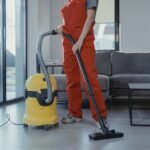
To keep home clean after deep cleaning, it’s vital to maintain a regular cleaning routine. Once everything’s been scrubbed, dusted, and polished to perfection, the real challenge begins. How do you keep it looking this good every day? This guide offers practical tips to keep your freshly deep-cleaned home in tip-top shape.
Quick answer: To keep home clean after deep cleaning, focus on a consistent cleaning regimen, use entryway mats to reduce dirt, and tackle small tasks daily to prevent build-up. Regular maintenance is key.
You can find more helpful resources on endoftenancycleaningserviceglenrothes.com.
Key Takeaways
- Establish a daily cleaning habit.
- Use doormats to catch dirt.
- Organise cleaning supplies for easy access.
- Tackle small tasks regularly.
- Involve family in upkeep chores.
Keeping Home Clean After Deep Cleaning: Daily Habits
After a deep clean, establishing daily habits is essential to maintain your home’s cleanliness. This involves small, regular tasks that prevent dirt from building up again. By focusing on daily actions, you can enjoy the benefits of a deep-cleaned home for longer.
Many people struggle with maintaining a tidy house because they try to do everything at once. It’s overwhelming. Instead, think of it like brushing your teeth — a bit each day keeps issues at bay. To keep your home clean after deep cleaning, tackle one or two small chores daily. Whether it’s wiping down surfaces or organising clutter, these little tasks keep things in check.
Consistency is the secret sauce. Get into the habit of doing a quick wipe-down of surfaces and a swift vacuuming session daily. This stops dust and dirt from accumulating. Regularly emptying bins, particularly in the kitchen, prevents odours. And don’t leave dishes in the sink — wash them or load them into the dishwasher straight away.
One example is using an entryway mat system. According to the [RHS](https://www.rhs.org.uk/advice/profile?PID=229), around 30-40% of indoor dust comes from outdoors. A doormat at each entrance catches dirt before it gets inside. A family in Kent discovered that by putting a hard-bristle mat outside and a softer one inside, their home stayed notably cleaner over the weeks.
Here’s a practical tip: Involve everyone in the household in these daily habits. Delegate tasks. Maybe your kids can tidy up their toys each night, while you handle the wiping of kitchen counters. Not only does this lighten your load, but it teaches everyone responsibility.
How Can Organisation Systems Simplify Maintenance?
Organisation systems create a structure for your belongings, making daily maintenance easier and more efficient. With everything in its place, you can quickly tidy up and keep your home pristine after a deep clean. Simple solutions like shelves, baskets, and a labelled storage system can work wonders in maintaining order.
Having an efficient organisation system in place is like knowing where your keys are every morning. Investing in shelving units, hooks, and labelled storage containers can dramatically reduce clutter and stress. A popular approach among many is using transparent boxes for storage. You can easily see what’s inside without rummaging through stacks. Not only does this save time, but it also keeps the house looking neat.
Consider how quickly clutter builds on surfaces. A few letters on the kitchen table, some loose change, and before you know it, the clean look vanishes. Organisation systems can help here too. For instance, setting up a small tray by the door for keys and post can prevent these from turning into a mess. Hooks beside the entrance for coats simplify the lack of storage options in most hallways.
Statistics support the effectiveness of organisation. According to a survey by Which?, 68% of Britons feel less stressed and more in control with better home organisation. This figure underscores the mental health benefits of having a place for everything. Knowing where each item belongs reduces decision fatigue and improves overall well-being.
Think practically. Implement a system that suits your lifestyle. If you constantly misplace remote controls, designate a specific basket for them. Keep it next to the sofa. If toys are everywhere, a large toy chest in a corner can encourage kids to help in tidying up. NHS guidance suggests a clean, organised environment supports mental health, aiding relaxation and productivity.
“In practice, it’s wise to revisit your organisation system regularly. As life changes, so do our needs. Adjust your setup to avoid clutter creep,” says founder of the Declutter Academy, Karen Kingston.
What Cleaning Tools Should Be Easily Accessible?
Having crucial cleaning tools within easy reach is vital for maintaining your tidy home after a deep clean. Quick access to the right equipment helps tackle small messes before they become big headaches. Tools like a dustpan, microfiber cloths, and a small hand vacuum are essential for daily touch-ups.
Keeping your cleaning arsenal accessible can drastically cut down on the time it takes to handle spills or spot clean areas. Microfiber cloths for dusting and quick wipe-downs should be stored where they’re needed the most. Many people find having a set in the kitchen and bathroom makes day-to-day upkeep straightforward. When there’s a designated place for cleaning items, you’re less likely to procrastinate.
The classic broom and dustpan combo is a must-have around the house. But consider alternatives like a handheld vacuum for quick spot cleaning. They’re particularly handy if you’ve got pets. Fur and crumbs don’t stand a chance when your vacuum is just an arm’s reach away. For homes with hard floors, a mop with a built-in spray function can make cleaning effortless, especially when unexpected messes occur.
The importance of having accessible cleaning tools is echoed by the Health and Safety Executive (HSE). They highlight the relationship between tidy work environments and risk reduction, suggesting similar principles apply domestically. The easier it is to clean up, the safer and more comfortable your home becomes.
Specific locations for cleaning tools enhance efficiency. A caddy under the sink loaded with a multipurpose cleaner, disinfectant, and cloths ensures you’re always ready. For anyone with a garden or pets that frequently bring in dirt, placing a broom and dustpan by the entryway saves you time and effort. Consider subscribing to Cleaning123 for tips on maintenance habits.
In practice, homeowners often forget the versatility of basic tools. A bottle of vinegar can become a multi-surface cleaner, and a simple squeegee can keep your shower free from watermarks and limescale, reducing major bathroom cleaning sessions.
When Should Deep Cleaning Be Scheduled?
Deep cleaning doesn’t have to be a chore if you plan it strategically. Scheduling regular deep cleanings can prevent your home from becoming a daunting task. Every three to six months is reasonable, but tailor this to your household’s needs. Adjust frequency based on pets, children, or high foot traffic.
A fixed deep-clean schedule can remind you of duties you otherwise postpone or overlook. Use digital calendar reminders or a wall planner to prompt action. Spring is a traditional time for a thorough clean, but autumn preps your home for winter hibernation. Factor in family events or school holidays, making it a less stressful task.
What about unexpected factors like allergies or respiratory issues? More frequent deep cleans might be necessary. Dust, pollen, and pet dander accumulate faster than you think. Deep cleaning can combat these triggers. As referenced by the NHS, reducing allergens at home is crucial for managing conditions such as asthma.
Practically, staying ahead of mess helps. Integrate smaller cleaning tasks routinely. Breaking up deep cleaning can prevent burnout and the temptation to cut corners. One weekend you could tackle just carpets, another kitchen cupboards. Accomplishing these piecemeal adds up, easing the main event.
According to a report, almost half of UK households prefer breaking down deep cleaning over several weekends. It’s less exhausting and more manageable, making upkeep simple and reducing the risk of being overwhelmed.
Frequently Asked Questions
How do I maintain a clean house after a deep clean?
To maintain cleanliness, aim for regular tidying. Assign daily tasks like vacuuming high-traffic areas and wiping down surfaces. Set a schedule for less frequent chores such as mopping, which keeps your home consistently clean and manageable.
What are the best products for maintaining a clean home?
Using eco-friendly cleaning products helps maintain cleanliness while protecting the environment. Brands like Ecover and Method offer biodegradable options effective for keeping surfaces germ-free without harsh chemicals.
How often should a home be deep cleaned?
Deep cleaning every three to six months is recommended, but it varies based on lifestyle and household size. If you have pets or small children, you might need to deep clean more frequently to manage allergens and mess.
What are effective ways to get rid of dust?
Regular dusting with a microfibre cloth is highly effective. Remember to dust from the top down to catch all particles, and vacuum afterwards to remove dust settled on the floor. Consider air purifiers for extra dust control.
Do I need professional cleaning services?
If time is a constraint, professional cleaning services can be a great help. They ensure thorough cleanliness, especially for spaces requiring deep or nuanced attention like carpets and upholstery. Weigh your time versus cost to decide.
Author credibility: As a seasoned home management advisor, I’ve spent years perfecting practical strategies for maintaining cleanliness, balancing effective methods with everyday practicality.
Final Thoughts
Embrace a proactive routine, choose suitable cleaning products, and stay organised to keep home clean after deep cleaning. Implementing a regular schedule and decluttering habits makes maintaining this standard stress-free.
Consider setting up a cleaning calendar to remind you of each task’s frequency. This simple tool can streamline your routine and make the upkeep feel manageable without overwhelming your schedule.
For more tips on sustainable living and cleaning, visit the RHS advice section and check out the latest eco-friendly cleaning innovations on Which? Reviews for tried and tested recommendations.
Maintaining a clean home after deep cleaning doesn’t have to be a daunting task. By incorporating these strategies into your routine, you can enjoy a tidy, stress-free environment that reflects the effort you’ve put into your deep cleaning. Remember, consistency is key, and small, regular actions can lead to lasting results.
📚 You May Also Like
References
- [1] Which? — https://www.which.co.uk/news/article/how-to-organise-your-home/news.org.uk
- [2] HSE — https://www.hse.gov.uk/pubns/housekeeping-health-safety-tips.htm
- [3] report — https://www.gov.uk/government/statistics
- [4] RHS advice section — https://www.rhs.org.uk/advice/profile?pid=835
- [5] Which? Reviews — https://www.which.co.uk/reviews/cleaning-products