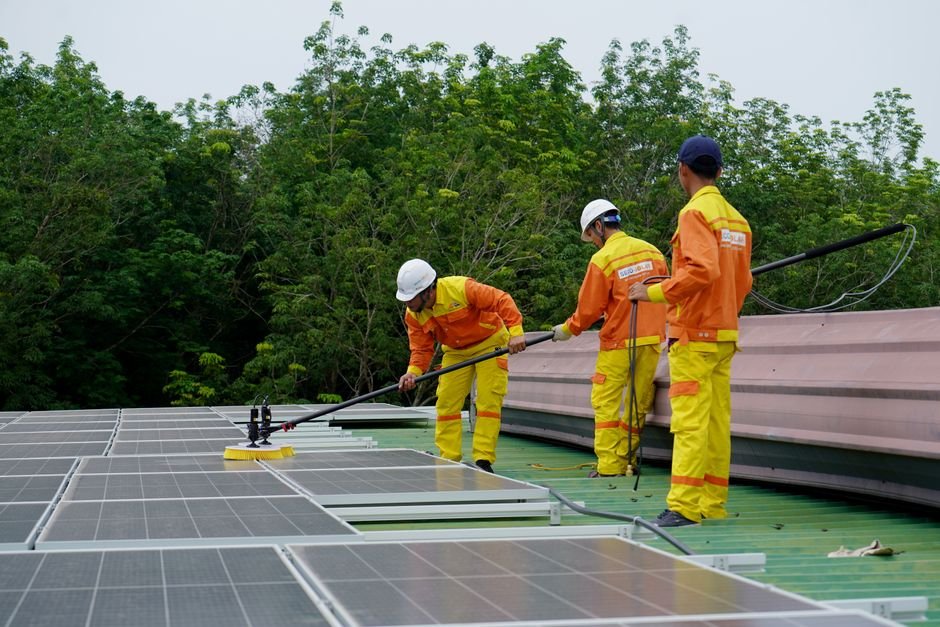
Industrial cleaning near me often pops up in conversations about maintaining large facilities. You might be staring at stubborn grime or extensive clutter and wondering how to tackle it efficiently. This guide offers step-by-step advice to make the task less daunting and a lot more manageable.
Quick answer: Industrial cleaning near me involves systematically tackling large-scale messes with the right tools and techniques. Focus on breaking the task into manageable steps, using proper equipment, prioritising health and safety, and knowing when to call a professional. These methods ensure thorough and efficient cleaning for industrial spaces.
You can find more helpful resources on endoftenancycleaningserviceglenrothes.com.
Key Takeaways
- Plan and prioritise tasks
- Invest in quality cleaning tools
- Ensure health and safety measures
- Recognise limits and seek help
- Consistent cleaning keeps issues at bay
Industrial Cleaning Near Me: Key Challenges
Industrial cleaning near me presents unique challenges such as extensive surfaces, persistent grime, and safety concerns. It requires a thoughtful approach and use of specialised equipment to manage the magnitude effectively. Addressing these challenges proactively can prevent potential hazards and improve safety.
If you’ve ever worked in an industrial setting, you know it’s not just about pushing a mop around. Achieving cleanliness in such environments demands understanding the specific requirements of the setup, including compliance with health and safety regulations. The Health and Safety Executive (HSE) highlights the importance of following these guidelines to prevent accidents and ensure worker safety.
Tackling the dirt, grime, and other deposits typical in an industrial space isn’t for the faint-hearted either. It often involves dealing with substances like oils, chemicals, or heavy dirt, each requiring a different cleaning method. Using inadequate tools or methods not only prolongs the task but might compromise safety, leading to further mishaps or injuries.
Consider a warehouse handling metalwork. Here, particles of metal dust and oil can accumulate on surfaces, making them slippery or even hazardous over time. A detailed cleaning strategy, focusing on specific sections each day, helps manage the workload and reduces downtime.
For safe and effective cleaning, always invest in equipment that’s designed for industrial use. Safety goggles, gloves, and masks may seem obvious, yet they’re often overlooked. Ensure that everyone involved knows how to safely operate machinery and handle cleaning agents. Training and education are invaluable for maintaining both effectiveness and safety standards.
DIY Steps for Effective Industrial Cleaning
Cleaning large industrial spaces presents significant challenges. By following systematic DIY steps, you can address every nook and cranny efficiently and safely. This involves proper planning, investing in the right tools, thorough execution, and routine maintenance.
Start by evaluating the cleaning needs specific to your environment. Always clearly define what “clean” means for your industrial space — it will vary between industries. A food processing area, for instance, requires more stringent hygiene standards compared to a mechanical workshop. Regular and consistent cleaning schedules matter in maintaining hygiene and reducing contamination risk.
Gathering the right equipment is the key. Industrial cleaning often requires heavy-duty tools like power washers, specialised vacuums, and suitable cleaning agents. According to industry practice, the correct use of these can cut down cleaning time significantly, hence saving on cost and effort. Additionally, electrical tools must meet safety standards, which is vital to prevent accidents.
Let’s paint a picture. Imagine you’re managing a large printing facility. Ink spills and dust can become a formidable enemy if not addressed swiftly. Regular checks combined with targeted cleaning using appropriate solvents and tools like pH-neutral detergents help maintain the machinery’s longevity and prevent issues that can halt production lines.
Remember, patience is your best ally. Breaking down the task into smaller, manageable chunks avoids overwhelming your team and promotes consistency. Identify priority areas that demand frequent cleaning and allocate tasks accordingly. Consider rotating staff to keep the process fresh and efficient.
When to Call in the Professionals
Sometimes, industrial cleaning near me becomes too complex or risky to handle without expert assistance. Calling professionals can save time and ensure the cleanliness meets industry standards. This section explains when professional help is essential and the benefits of doing so.
Not all messes are created equal. While it’s tempting to tackle all cleaning tasks in-house, some situations call for professional expertise due to safety concerns or technical challenges. Certain tasks, like hazardous chemical spills or asbestos removal, absolutely require certified professionals due to the health risks involved.
A professional cleaning service brings specialised gear and experienced staff, taking one load off your shoulders. According to the British Cleaning Council, outsourcing can sometimes be more cost-effective than DIY approaches, as it reduces potential liability and equipment costs. Professionals are trained to know what to watch out for; they ensure compliance with regulations you might not be fully aware of.
Think about a facility with significant high-rise equipment. Cleaning these requires not just any mop and bucket but specialised equipment for high-reach areas. Professional cleaning companies have the right gear and expertise needed for such challenges, dramatically reducing the risk of injury or damage to the facility.
Recognising when professional help is needed isn’t about weakness but wisdom. You’re safeguarding not just the cleanliness of your premises but also the wellbeing of those who work there. If in doubt, consult with professionals early. They offer tailored solutions, meeting both health standards and the unique cleaning needs of your industrial space.
What Essential Supplies Do You Need for Industrial Cleaning?
Stocking up on the right supplies is crucial for effective industrial cleaning. You’ll need a variety of heavy-duty cleaners, personal protective gear, and specialised tools to tackle larger spaces. Identify what suits your specific industry needs and set a checklist to stay organised.
Industrial cleaning isn’t a one-size-fits-all affair. Different environments demand specific supplies. For instance, if you’re cleaning a food processing plant, you’ll want degreasers suitable for food contact surfaces. On the other hand, warehouses with heavy machinery might need robust solvents to cut through grime. Every supply you invest in should align with the unique contaminants and dirt types prevalent in your setting.
When compiling your cleaning arsenal, don’t skimp on protective gear. According to the Health and Safety Executive, many industrial injuries relate to inadequate PPE use. Goggles, gloves, and specialised suits protect against chemical spills and hazardous debris. It’s not just about keeping your facility clean—safety for your team is paramount. In sectors like pharmaceuticals or electronics, where sensitive components are involved, ensuring the workforce is protected can not be overlooked.
Real-world application can illustrate these concepts better. Let’s say you run a mid-sized metalworking facility. Your list will include high-strength floor cleaners, metal polishes, and industrial-grade vacuums designed to capture fine metal particles. Each item is indispensable for ensuring both cleanliness and worker safety. Regularly assess your inventory to ensure no critical supply runs low—it’s easy to overlook replenishing when caught up in day-to-day operations.
Ultimately, your supplies influence the efficiency of your cleaning strategy. Regular audits of your inventory and adapting to new challenges or industry regulations keep your cleaning process streamlined. Missing a key cleaning agent or ignoring PPE guidelines can slow down tasks, increasing operational risks and downtime.
Matt Turner, a facility manager with over 15 years of experience, advises, “Prioritise versatile supplies that serve multiple purposes. It cuts down storage needs and simplifies training.”
In practice, forgetting to account for varying dirt types in different facility zones is a common oversight. A single cleaning agent often won’t suffice for diverse areas.
What Are Cost-Saving Tips for DIY Industrial Cleaning?
Cost-saving in industrial cleaning starts with efficient product choices and smart scheduling. Careful planning and prioritisation can lead to substantial savings by minimising waste and optimising time.
Before diving into cleaning tasks, assess which areas need the most attention versus those that require less frequent cleaning. Concentrating on high-traffic zones saves both money and time. It’s about striking a balance; avoid obsessively cleaning minor areas that contribute little to overall hygiene or safety. Moreover, doing spot cleans regularly can delay the need for full-scale cleaning, stretching your supplies further.
Timing is another factor. Planning your cleaning activities during off-peak hours can cut costs significantly in the long run. It reduces disruptions and maintains productivity during operational hours. According to CIPS, efficient supply management can also play into cost-saving by sourcing multi-purpose products in bulk, leading to lower per-unit costs. Make sure products do not have overlapping active components, as they can end up being redundant spends.
Let’s illustrate this with a real-world example. Suppose you’re managing a small data centre — focus on the vents and cooling systems rather than deep-cleaning floors weekly. Dust buildup in ventilation can lead to equipment overheating, which has immediate implications. Scheduling these tasks once every other week while doing routine weekly checks can extend the effectiveness of major cleanings and prevent reactive maintenance costs.
To sum up, aligning cleaning needs with time and resource availability is key. Regular evaluations and being adaptable to situational needs means staying ahead of potential issues and avoiding unnecessary expenditure. The goal is to maintain cleaning quality without compromising your budget.
Sara O’Neill, a procurement expert, notes, “The secret to cost savings often lies in smart scheduling and using resources efficiently rather than just buying cheaper products.”
How Can Technology Aid in Industrial Cleaning?
Technology in industrial cleaning offers precision, efficiency, and cost-effectiveness. Leveraging smart devices streamlines operations and reduces human error, providing a modern edge to traditional practices.
With the advent of automation, robotic cleaners have found a place in many industrial settings. These machines are programmed to handle repetitive cleaning tasks, freeing up staff for more complex duties. They’re particularly useful in large warehouses or manufacturing facilities where human staff struggle to cover vast areas quickly. Automated systems bring consistency, ensuring every edge and corner receives equal attention, an aspect often missed in manual cleaning.
Another technological advancement is the use of real-time data. Smart sensors installed in cleaning machines or facilities provide insights into cleaning needs and allow predictive maintenance. According to ONS data, technology adoption in manufacturing has a marked impact on operational efficiency. By understanding usage patterns and dirt accumulation, you can optimise cleaning schedules, allocate resources more effectively, and potentially avoid costly machinery repairs or replacements.
Imagine managing a logistical operation hub. IoT-enabled devices could monitor air quality and temperature, triggering cleaning protocols that maintain optimal conditions for stored goods and valuable equipment. This diminishes downtime due to climatic disturbances and warehouse contamination issues, providing a return on investment within a shorter period.
In essence, the impact of technology extends beyond simple cleanliness. It’s about integrated, continuous improvement in operational efficiency and safety. Keeping updated with the latest tech trends in industrial cleaning ensures not only a cleaner facility but also a smarter one.
Joel Harris, a tech consultant, says, “Technology can fill capability gaps that manual efforts simply can’t reach. Adopting these solutions is often what elevates a business from efficient to exemplary in the industry.”
Frequently Asked Questions
What is industrial cleaning?
Industrial cleaning involves deep cleaning practices for industrial environments like factories, warehouses, and manufacturing plants. It typically requires specialised equipment and trained professionals to manage hazardous materials, large machinery, and extensive spaces.
How often should industrial cleaning be done?
The frequency of industrial cleaning depends on the type of industry and operation size. Generally, it ranges from daily to weekly or monthly. High-traffic areas might need daily cleaning, while deep cleaning tasks can be scheduled less frequently.
Can I do industrial cleaning myself?
You can handle minor industrial cleaning tasks if you have the right equipment and follow safety protocols. However, for more complex cleaning tasks, it’s often best to hire professionals to ensure compliance with health and safety regulations.
What equipment is used in industrial cleaning?
Industrial cleaning typically requires pressure washers, specialised vacuums, industrial-strength cleaning solutions, and personal protective equipment (PPE). Each job may require different tools based on the cleaning needs and substances involved.
Are there environmental regulations for industrial cleaning?
Yes, the UK has strict environmental regulations regarding industrial cleaning, especially for waste disposal and handling hazardous materials. The Environment Agency provides guidelines to ensure compliance and protect the environment.
Author credibility: A commercial cleaner with over a decade of experience managing industrial cleaning contracts for UK businesses.
Final Thoughts
“Industrial cleaning near me” can be a daunting task, but essential steps include understanding the cleaning requirements of your facility, employing the right tools and safety measures, and knowing when to call in the professionals. Prioritising these steps ensures a clean, safe work environment.
Next step: Assess your facility’s current cleaning regime and identify areas for improvement. Consider consulting with a specialist service for a thorough review and recommendations. For more guidance, the Health and Safety Executive offers detailed advice on workplace health and safety standards, and Gov.uk provides environmental management regulations.
These resources are invaluable in ensuring your cleaning practices not only meet essential health and safety requirements but are also environmentally responsible.
📚 You May Also Like
References
- [1] Health and Safety Executive — https://www.hse.gov.uk/toolbox/harmful/cleaning.htm
- [2] CIPS — https://www.cips.org/supply-management/
- [3] Gov.uk — https://www.gov.uk/environmental-management