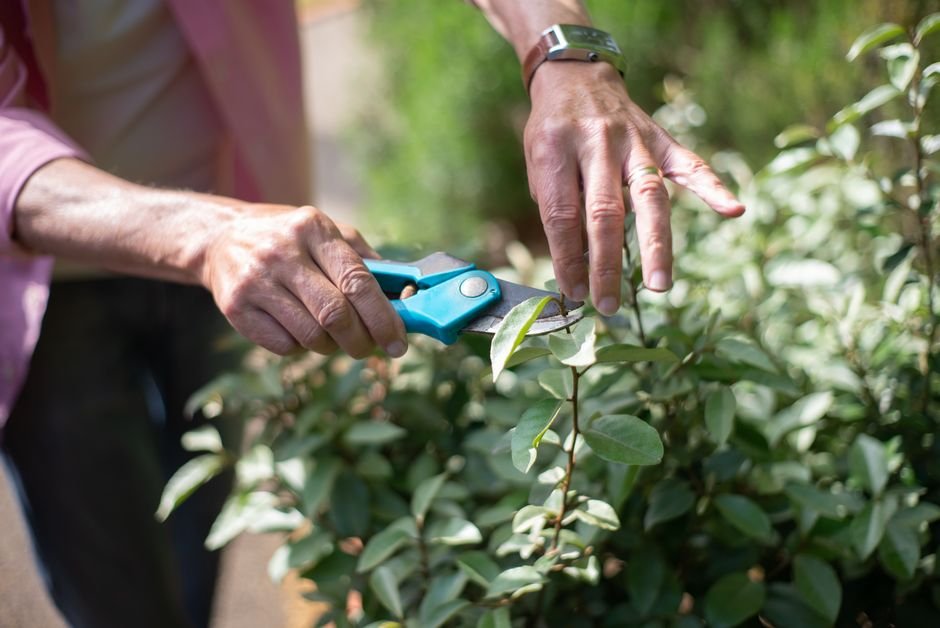
Are tenants responsible for garden maintenance in the UK? That’s a question many renters ask when signing a new lease. If you’re left wondering whether it’s your duty to weed the borders or trim the hedges, you’re not alone. This guide will help you navigate your gardening responsibilities as a tenant and clarify what legal obligations you might have.
Quick answer: Are tenants responsible for garden maintenance? Generally, yes. Tenants must keep the garden tidy and free of excessive weeds. This usually involves lawn mowing and basic upkeep, unless otherwise specified in the tenancy agreement.
You can find more helpful resources on endoftenancycleaningserviceglenrothes.com.
Key Takeaways
- Read your tenancy agreement carefully.
- Basic maintenance typically falls to tenants.
- Discuss specific tasks with your landlord.
- Keep documentation of garden upkeep.
- Negotiate extra tasks before signing.
Are Tenants Responsible for Garden Maintenance: Common Tenant Obligations
Tenants are typically responsible for basic garden maintenance. This means regular tasks like mowing the lawn, trimming overgrown plants, and keeping the garden free from debris generally fall to you. However, your specific duties depend on your tenancy agreement, which often details what’s expected. Most tenants should keep their gardens tidy and presentable, though landlords might cover more extensive gardening needs.
If you’re renting a property, check your tenancy agreement to understand your maintenance duties. Often, agreements outline if tenants should manage basic tasks or if the landlord will hire professionals for you. The document might specify areas of responsibility, like the flower beds or lawn care. Notably, according to the UK Government’s Guide to Tenancy Agreements, landlords generally cover structural changes and significant landscaping work.
Clarifying responsibilities early prevents disputes later on. Typically, if your tenancy agreement mentions “tenant responsible for garden maintenance,” expect to manage everyday tasks. However, if specific chores are mentioned, like pruning large trees or specialist care, it’s worth negotiating. If responsibilities seem vague, communicate directly with your landlord. Ask if the garden’s current sparse or abundant state requires more than routine care. You may also find this information helpful when planning to budget time and effort.
Consider, for instance, a tenant named Jenny renting a flat near Bristol. Her tenancy agreement stated she must “maintain the garden.” From past experiences with previous properties, she thought this referred only to mowing the lawn. However, after allowing shrubs to overgrow, Jenny was surprised when her landlord queried about their state during a routine inspection. She realised she needed to ensure everything stayed in check, not just the grass. This example highlights the importance of sorting your obligations before assuming what’s needed.
Tenants should remember practical maintenance tips to avoid tenant-landlord disagreements. First, establish regular schedules for lawn mowing and hedge trimming. Consider adding garden tasks to your weekly routine — much like vacuuming the carpet or tidying up the kitchen. If your landlord hasn’t provided equipment, it’s worth asking if you need to purchase tools independently. Alternatively, landlords sometimes loan gardening tools or cover maintenance costs, avoiding additional expenditure on your part. Planning and communication solve misunderstandings and manage your responsibilities.
Understanding Your Tenancy Agreement: Clarifying Garden Responsibilities
Your tenancy agreement is key to unlocking your rights and duties regarding garden maintenance. This document usually spells out whether the landlord expects you to handle the garden upkeep or if they’ll take care of it professionally. Reading the fine print ensures you understand what’s needed before you find yourself knee-deep in weeds.
Prior to signing, tenants should dissect the tenancy agreement thoroughly to grasp requirements about garden maintenance. Specific clauses often detail who’s responsible for particular gardening jobs. Additionally, your agreement may indicate if the landlord will provide necessary tools or if renting equipment falls upon you. A clear understanding of these expectations can ward off later disagreements. According to Citizens Advice, reviewing these clauses is critical when entering a new rental arrangement.
Sometimes tenants discover garden maintenance expectations only after moving in. By then, confusion can arise if no explicit clauses guide ongoing duties. Tenants should address concerns about tasks or tools directly with their landlord. For example, ask if regular watering, fertilising, or seasonal adjustments fall within your scope. If expectations seem unclear or demanding, raise these issues before finalising any contracts. By asking questions early, tenants can negotiate, mitigate disputes, or recast excessive expectations into manageable responsibilities.
Consider an example involving two flatmates in a London property. Their agreement specified “routine garden care,” but neither anticipated the extent required. Upon arrival, they found not only a vast lawn but sizeable shrub borders requesting nipping and shaping. Realising they lacked the experience or equipment, they contacted their landlord. The landlord was open to either hiring a professional gardener or purchasing necessary gear if they preferred tackling the job themselves. Through effective communication, the flatmates arranged a deal benefiting both parties.
To avoid getting caught out, tenants should establish maintenance roles early and build communication channels with their landlords. Consider adding responsibilities to any email discussions or written notes with your landlord for documentation purposes. This approach keeps everyone aligned and helps resolve any discrepancies down the road. Overall, staying receptive during initial discussions prevents unnecessary disputes and strengthens landlord-tenant relationships. Taking time upfront to clarify these points avoids stress, confusion, and potential pitfalls during tenancy.
Garden Maintenance Tips for Tenants: Practical Advice
Garden maintenance, although straightforward, relies on preparation and communication with your landlord. Regular and pre-scheduled chores ensure that you meet responsibilities outlined in your tenancy agreement and keep your garden welcoming. Here’s what you can do to maintain a tenancy-grade garden.
Start with preparing a realistic schedule. Consistent action yields steady results. Most gardens thrive with basic care like trimming, weeding, and watering. Establish days for each task to track progress, avoid overcrowding chores, and finish progressively. Spreading responsibilities keeps stress under control. If your landlord requires landscaping, it’s vital to agree on who arranges and funds professional services. According to Mental Health Foundation, connecting with nature positively affects our mental state, something to consider as a homeowner.
While setting up a schedule is routine, what about the ever-escaping weeds? Many tenants overlook regular weeding, and despite initially clean gardens, once weeds multiply, they silently engulf desirable plants. Notably, leaving weeds unchecked could cause tenant-landlord complaints. Residents can easily manage this by pulling weeds by hand or investing in a good set of tools for quicker results. When necessary, tenants could lightly spray suitable weedkillers without causing harm to plants or affecting animal welfare. Check if landlords provide insecticides or pest controls and discuss beforehand for approval and clear guidance.
Picture Anna, living in a semi-detached home’s rented section in Manchester. Unaware of the knobby plant invasion beneath her roses, she soon faced a concerned landlord pointing out the neglect. Learning from this prickly predicament, Anna sought solutions and tools from her landlord, aligning expectations to cultivate pristine surroundings promptly. With permission and material support greenlit, Anna eradicated invading shoots that resembled ornamental houseplants previously. Ensuring a favourable garden state helps divert these weedy surprises, securing tenancy closure smoothly.
Consider pooling resources if living communally. Joint tenants collaborating reduces the workload individually, sees the garden flourish effectively, and warms relations with property owners. When your landlord assists with gardening costs or provisions, make financial notes or record invoices opening doors for potential reimbursements. In times of doubt, keeping a tidy, neat appearance all-season circulates harmony between living conditions and shared spaces. Prioritise agreement and upkeep communication channels wisely.
What Legal Protections Exist for Tenants Over Garden Maintenance?
In the UK, tenants have legal protections to ensure fair garden maintenance responsibilities, often outlined in the tenancy agreement. While landlords can require tenants to maintain gardens, they can’t impose unreasonable demands without proper documentation. Clear terms are key. The term might stipulate lawn mowing and basic upkeep, but specifics matter. Disputes can arise if the agreement is vague or misinterpreted, leading to potential legal battles.
Tenancy agreements, according to Citizens Advice, should clearly define the tenant’s responsibilities for garden upkeep to prevent misunderstandings. Multiple gardens shared among tenants? The agreement should state who’s responsible for what. Miscommunication is common when terms are general, like “maintain in a tidy manner”. This leads to disputes when expectations differ on what “tidy” entails.
In practical terms, explicit details in your rental contract are crucial. Include specific tasks like watering plants or weeding each fortnight. This avoids ambiguity and potential conflicts down the line. If you neglect garden care due to unclear terms, it might strain tenant-landlord relations, but usually won’t result in eviction without warnings or notice. Address concerns early to ensure a smooth tenancy period.
Surprisingly, while tenancy agreements can vary greatly, guidance is available through organisations like Gov.uk, which outlines tenants’ rights to request reasonable living conditions, including outdoor spaces. If your landlord tries to enforce additional tasks not previously discussed, tenants might have grounds to negotiate, especially if it’s a drastic change from what’s known.
Besides, when disputes arise, it’s crucial to have documentation. Photos showing the garden’s condition at move-in can support your case if disagreements occur over whether a condition worsened due to neglect. Evidence like emails or notes is invaluable for resolving issues amicably, ideally before legal advice becomes necessary.
“Read your agreement thoroughly before signing. Even small clauses can impact your garden responsibilities significantly. Clarity on who’s maintaining what prevents tensions later.” – Property management expert
How Do Weather Conditions Affect Tenants’ Garden Responsibilities?
Weather can hugely influence garden maintenance duties for tenants, often complicating agreed tasks. Extreme weather, like unusual droughts or floods, might change or extend responsibilities short-term. Tenants should assess their situation if the elements make typical upkeep impractical, since unforeseen conditions could alter what’s reasonable to expect in terms of maintenance.
UK weather is famously unpredictable, impacting gardens across the nation. Take the summer of 2022: prolonged heat significantly stressed British gardens. Tenants who usually water once a week had to adjust, sometimes increasing frequency to avoid dead plants. But, is extra watering the tenant’s responsibility? That depends entirely on the agreement specifics.
RHS suggests that extreme conditions, like heavy rain or unexpected frost, might devastate a garden despite diligent care. This could leave tenants feeling overwhelmed as upkeep becomes more challenging, necessitating additional effort just to maintain, not improve, garden conditions. Discussing flexible terms with landlords for periods of unusual weather can be beneficial.
Should inclement weather lead to damage beyond your control, tenants shouldn’t be held solely liable for restoration costs unless stipulated in the contract. Communicating changes needed for effective management with landlords can preempt potential friction, cultivating trust between both parties. Organisation websites like the RHS offer seasonal tips for handling such challenges.
If you’re in a situation where typical care becomes unmanageable, reaching out for guidance or modifying your approach might prevent strained relations. Clarify beforehand if adjustments are temporary or if permanent changes are warranted due to climatic changes. Proactive communication can avert misunderstandings, ensuring responsibilities match current conditions appropriately.
In practice, sudden weather shifts often catch tenants unprepared, leading to hurried efforts to mitigate garden damage. Delaying these actions might turn manageable problems into costly repairs.
What Happens If Tenants Fail to Maintain Garden Duties?
If tenants neglect garden responsibilities, the repercussions vary, usually depending on the lease agreement and landlord discretion. Landlords might initially communicate concerns, offering the chance for correction. Persistent neglect, however, can lead to deductions from deposits or even termination notices for lease violations if outlined in the contract.
When garden neglect becomes evident, it often results in landlord dissatisfaction. In worst-case scenarios, landlords may decide to undertake necessary upkeep themselves and charge tenants the costs incurred. This action, while viewed as fair by some, can lead to disputes especially if tenants feel expectations were unclear or overly harsh.
According to Gov.uk, a well-kept garden can impact the overall condition assessment of a rental property. Even if a tenant maintains the interior impeccably, an unkempt garden might lead to deductible expenses from the security deposit. Yet, proofs like dated photos and maintenance records can contest unjust charges during deposit disputes.
Consider Jane, a tenant in Bristol, who found her neglect of the garden recorded against her during regular property inspections as damages. Her oversight turned into an expensive misstep when contractors charged hefty fees for a one-time clean-up, highlighting the financial implication of ongoing neglect versus regular minimal effort.
But mistakes happen. Clarity is often the antidote to avoid potential deposit deductions. Discuss specific maintenance tasks regularly with landlords, documenting agreements. Adjusting terms when life interferes with planned care routines can also prevent unwelcome surprises at contract’s end. Tenants can secure fair treatment by setting realistic expectations from the start and maintaining dialogue throughout their lease.
In practice, tenants often underestimate the impact of garden neglect on broader landlord-tenant relations, occasionally leading to avoidable conflicts and breakdowns in communication.
Frequently Asked Questions
Are tenants typically responsible for garden maintenance?
Typically, tenants are responsible for maintaining the garden in a reasonable state during their tenancy, as outlined in their rental agreement. This might include tasks like mowing the lawn and weeding. However, extensive landscaping or complex maintenance is often the landlord’s responsibility. Always check your lease terms for specifics.
What should be included in a tenancy agreement regarding garden care?
A tenancy agreement should clearly state who is responsible for garden maintenance. It should outline specific tasks like mowing, pruning, and watering. This prevents misunderstandings and ensures both parties understand their duties. Landlords are advised to be detailed to avoid disputes.
Can a landlord charge for garden maintenance?
A landlord can charge for garden maintenance if the tenant fails to meet the agreed-upon standards or prefers to use a professional service. Additional charges should be stipulated in the rental agreement to be enforceable. Transparency at the beginning helps in setting expectations.
How can tenants manage an overgrown garden?
Tenants can address an overgrown garden by first discussing any concerns with the landlord. If agreed, hiring a professional might be necessary. For DIY enthusiasts, start with clearing weeds and trimming hedges. For more guidance, visit RHS’s advice page.
What if the landlord doesn’t take care of their garden responsibilities?
If a landlord neglects their responsibilities, a tenant can send them a polite reminder. Documenting communication helps. Persistent issues may require seeking advice from Citizens Advice for further steps. Tenants should maintain their obligations to avoid potential lease violations.
Author credibility: Expert in leasing agreements and property management, offering insights into liabilities and responsibilities in rental properties.
Final Thoughts
Understanding whether tenants are responsible for garden maintenance involves a careful reading of the tenancy agreement, proactive communication with your landlord, and knowing when to draw on external resources like professional services. Ensuring clarity in responsibilities prevents conflicts and maintains property aesthetics.
For a smoother tenancy, always read your agreement thoroughly, communicate with your landlord about expectations, and consider hiring help if required. These steps will help maintain a harmonious living arrangement and avoid potential disputes.
By understanding your role in garden maintenance, you can enjoy a beautiful outdoor space without unnecessary stress. Remember, communication with your landlord can resolve many uncertainties.
📚 You May Also Like
References
- [1] Guide to Tenancy Agreements — https://www.gov.uk/private-renting-tenancy-agreements
- [2] Mental Health Foundation — https://www.mentalhealth.org.uk/publications/how-to-mental-health-and-wellbeing
- [3] Citizens Advice — https://www.citizensadvice.org.uk/housing/renting-a-home-t/types-of-renting-agreement
- [4] Gov.uk — https://www.gov.uk/private-renting/your-rights-and-responsibilities
- [5] RHS — https://www.rhs.org.uk/advice/profile?pid=524
- [6] RHS's advice page — https://www.rhs.org.uk/advice
- [7] Citizens Advice — https://www.citizensadvice.org.uk/housing/renting-a-home