Bathroom cleaning rental deposit matters perplex many renters, especially when the end of the tenancy is approaching. Dirt and grime in the bathroom can risk losing that crucial deposit — leaving tenants worried and stressed. That’s why this guide offers clear, actionable tips to ensure you handle bathroom cleaning well, helping you secure your full rental deposit.
Quick answer: Bathroom cleaning rental deposit depends on thorough cleaning practices. Focus on removing limescale, mould, and dirt from all surfaces, including tiles and fixtures, and ensure everything is sparkling. Professional cleaning services often guarantee satisfying deposit returns.
You can find more helpful resources on endoftenancycleaningserviceglenrothes.com.
Key Takeaways
- Focus on removing all limescale and mould.
- Thoroughly clean tiles, grout, and fixtures.
- Consider hiring professional cleaning services.
- Use effective cleaning products for best results.
- Pay attention to detail to secure your deposit.
Bathroom Cleaning Rental Deposit: Key Practices
Your approach to bathroom cleaning can heavily influence your rental deposit outcome. Thoroughly cleaning areas prone to grime and limescale accumulation is vital. Prioritise scrubbing down tiles, removing mould, and cleaning out grout with specialised products. Many renters find that hiring professional cleaning services can ensure the best results and full deposit refunds.
Why is bathroom cleaning so pivotal to your deposit? It’s simple. Landlords expect the property to be left in the condition it was in at the start of your tenancy. The bathroom, being a high-traffic area, often shows wear and tear more than other rooms. Limescale around taps, mould in grout lines, and soap scum build-up on tiles not only look unsightly but can also indicate neglect. So, a pristine bathroom often ticks a key box for landlords.
Deep cleaning should start with addressing limescale — that hard, crusty deposit often found around taps and showerheads. Products specifically designed for limescale removal, such as vinegar or specific cleaning agents, can be very effective. Then move on to mould, a common issue in bathrooms due to moisture. Your weapon of choice here should be a quality mould remover. Don’t forget the grout between tiles, a sneaky spot for dirt and grime. Use grout brushes and a strong cleaner to eliminate any marks, ensuring everything sparkles.
Imagine you’re a tenant in London, juggling deadlines and a move-out date. You decide to tackle the bathroom yourself — armed with vinegar, a multipurpose cleaner, and a grout brush. You meticulously target the limescale on taps and carefully scrub the grout. Despite the effort, a few stubborn spots remain, making you question hiring a professional. According to the Citizens Advice website, hiring cleaners can be a practical solution, offering peace of mind and a spotless finish. They state that many landlords prefer professional cleaning standards to remove any doubt.
If you’re on a budget, effective cleaning doesn’t have to break the bank. Many household products can double up as cleaning agents. For instance, a simple paste of baking soda and water can work wonders on tiles. Consistent cleaning routines save you a last-minute panic. Keep in mind, every minute spent on bathroom cleaning can translate to pounds saved in deposit deductions.
Why Does Bathroom Cleaning Impact Your Deposit?
Bathroom cleaning impacts your deposit significantly because landlords prioritise hygiene and presentation. Maintaining a clean bathroom reflects responsible tenancy. Paying attention to details like mirror streaks and soap residue can sway a landlord’s perception. Many tenants find this straightforward; landlords often insist on returning the property as it was initially found, making thorough cleaning essential.
Most rental agreements include clauses about cleanliness and maintenance. It’s vital to understand these commitments — because they can dictate deposit decisions. Policies often state that the tenant must ensure the premises, particularly the bathroom, are clean and tidy. Landlords use this as a measure to ensure their property remains in good condition between tenants. A poorly maintained bathroom may lead landlords to retain a portion of the deposit to cover cleaning costs.
Bathrooms are high-moisture environments, making them vulnerable to issues like mould and limescale. Left unaddressed, these problems can lead to damage, especially in poorly ventilated spaces. This is why landlords are so particular. Addressing such issues prior to an inspection shows you’ve been diligent. The end result? A higher chance of receiving the deposit back in full. If you factor in the requirement for a sparkling bathroom early, you avoid excess stress later on.
Consider Jake, a tenant in Bristol. His contract stressed the importance of bathroom cleanliness, but he underestimated the accumulation of everyday dirt. After cleaning with a standard spray, he noticed the bathroom didn’t meet the expected standards. Remember, bathroom presentation often weighs heavily in landlord inspections. Turning to a professional cleaning service during the last week of tenancy ensured his deposit was safely returned.
To simplify the process, keep a cleaning checklist: scrub tiles, descale taps, polish mirrors, and ventilate regularly. These small efforts, consistently applied, prevent unwanted surprises during the property handover. The Royal Institution of Chartered Surveyors highlights that keeping up regular maintenance helps avoid last-minute hassles, potentially saving you money in the long run.
Effective Techniques for Bathroom Cleaning
Effective bathroom cleaning for securing your rental deposit requires strategic action. Target key areas like fixtures and grout. Always choose the right products. Many renters opt to mix household solutions — vinegar, a proven limescale conqueror, is a top pick. Consistent cleaning limits long-term hassle, increasing the likelihood of keeping your deposit intact.
Tiles and grout are the first stop. Over time, they collect soap scum and grime, creating a breeding ground for bacteria. Using a high-quality tile cleaner and a firm scrub brush can efficiently remove these. Another detail is the showerhead — frequently overlooked but can underperform due to limescale build-up. Descales every few months keep showers in top condition.
Don’t underestimate the power of regular maintenance. By cleaning surfaces little and often, rather than all in one go at the end of your tenancy, you’ll avoid overwhelming tasks. A fortnightly scrub of the shower and bath ensures you don’t face overwhelming cleaning as the move-out date looms. It’s far easier to tackle limescale weekly than to allow a build-up that needs hours to remedy. Plus, landlords appreciate this ongoing effort, making deposit return discussions smoother.
Samantha, renting in Edinburgh, learned this the hard way. Scrambling seven days before her lease ended, she faced a daunting task in the bathroom. The scale and mould meant hours of scrubbing and a lot of stress. Realising the ease and efficiency of routine cleaning made her vow never to repeat the experience. Following these insights can prevent similar situations.
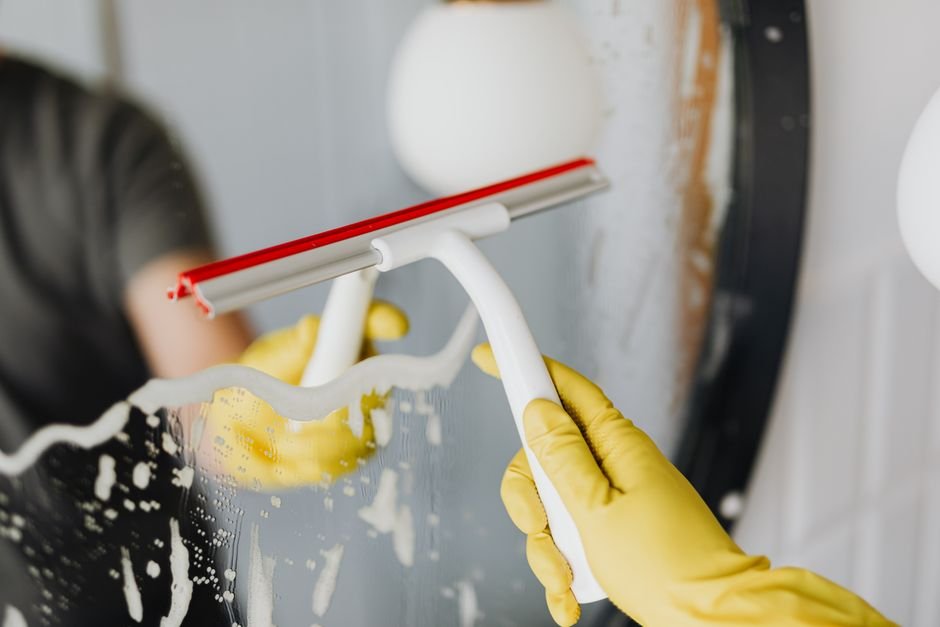
Develop a cleaning regime suited to your schedule. Consider a shared approach if you’re in a house share — everyone chips in to maintain the cleanliness. Combining efforts not only lessens the burden but ensures the space is always guest-ready. Simple tools like a glass squeegee can help maintain shine on shower doors and mirrors too, simplifying your routine and protecting your deposit.
Keep in mind that cleaning doesn’t just preserve your deposit; it ensures a healthy living environment. Some find it cumbersome, especially alongside day-to-day demands. But treating bathroom cleaning as preventive care can reduce property wear and secure a smooth handover. In fairness, isn’t a proactive approach better than last-minute panic? The results are worth the effort.
How Can Tenants Avoid Bathroom Cleaning Disputes?
To avoid disputes over bathroom cleaning and ensure the safe return of your rental deposit, tenants should maintain cleanliness throughout their tenancy, document conditions with photos, and understand their tenancy agreement obligations. Proactive communication with landlords about maintenance issues can also prevent misunderstandings. These steps ensure that your landlord finds no fault when it comes time for that final inspection.
First things first, know your tenancy agreement inside out. Often, these documents outline specific expectations regarding cleanliness. The bathroom is an area that can make landlord-tenant relationships tricky, given the propensity for grime in hidden places like shower nooks or behind the toilet. If you’re in doubt, discuss your responsibilities with the letting agent or landlord. This avoids any surprise hiccups related to cleanliness expectations.
Regular maintenance is key. A weekly clean not only prevents the buildup of limescale and mould but also keeps it from becoming a bigger issue in the future. Neglecting smaller tasks can lead to more significant problems, like water damage or even pest infestations — problems you won’t want to face when trying to get your deposit back. Consider making a checklist for the week to break down tasks into manageable chunks.
Documenting your bathroom’s condition is crucial. Take clear, timestamped photos at the start of your tenancy. These can serve as evidence that any damages pre-existed your move-in, safeguarding you from unfair claims. As the exit date approaches, a quick photo session after a thorough clean can provide additional peace of mind. Keep correspondence with your landlord in writing to avoid misunderstandings.
According to Citizens Advice, around 30% of disputes arise due to cleaning issues, often linked to the bathrooms. A tenant who maintains clear communication and understands their rights and obligations can usually avoid landing in the statistic.
“Pay attention to details like shower heads and drain covers. These often get overlooked but can collect dirt that landlords commonly cite in disputes.”
In practice, tenants often forget to clean the extractor fan, leading to moisture problems and unpleasant odours. Routine upkeep of such components is often overlooked yet critically impacts the sanitary condition of your bathroom.
What Products and Practices Ensure an Immaculate Bathroom?
For an immaculate bathroom and the return of your deposit, use limescale remover, non-abrasive scrubbers, and anti-fungal sprays on a routine basis. Different surfaces require different care, so invest in quality products for tiles, glass, and metal fittings to ensure everything sparkles without leaving marks.
Avoid harsh chemical cleaners, as the residue can discolour surfaces, especially on softer materials like vinyl. Instead, choose eco-friendly options. For example, a simple mix of vinegar and water can do wonders on glass surfaces and also help remove limescale. Lemon juice is another natural option that leaves a fresh scent without the toxicity. Industry practice suggests these are as effective as traditional products but much gentler on materials and the environment.
Stay regular with a cleaning schedule. Cleaning just before you expect the landlord’s inspection often isn’t enough to sufficiently address ingrained stains or mould. Consider a bathroom timetable. Monday could mean mirrors and glass, Wednesday could target the shower area, and so forth. This prevents daunting last-minute scrambles that accompany end-of-tenancy stress.
Wear and tear is a real thing. According to Gov.uk, tenants aren’t typically held responsible for repairs stemming from normal use. However, damage from neglect or misuse isn’t covered. Using gentle yet effective cleaning strategies can extend the lifespan of bathroom fixtures. It also ensures you have no additional costs deducted from your deposit.
Here’s a practical tip: rinse down your shower or bath area with warm water after use. This helps wash away soap residues, reducing limescale and making weekly cleaning easier. Make this quick step your new habit.
Do Professional Cleaning Services Enhance Deposit Return Chances?
Hiring professional cleaning services can enhance your chances of getting your rental deposit back. Professionals provide a deep clean that addresses areas tenants might miss. Their expertise and equipment often produce results beyond typical domestic efforts, ensuring every corner of your bathroom is in top condition.
Engage professionals when disputes seem likely or when time is tight. If you lack the time to conduct a thorough clean yourself, this option can be invaluable. Given they are well-versed in what landlords typically focus on during inspections, a professional clean can be a sound investment. Expect to pay around £100 for a thorough end-of-tenancy bathroom clean, but compare this to the potential loss of deposit funds for cleaning disputes.
Your choice of cleaning service matters. Companies registered and certified under FCA regulation imply better customer satisfaction standards and assurance that the tasks are professionally executed. Not all services are created equal, so check for reviews and, if possible, personal recommendations.
Place importance on review scores and testimonials rather than merely the cost when selecting a company. While budgeting is crucial, the cheapest service may not meet the high standards that some landlords have. Investigate what their service includes — some even offer a satisfaction guarantee, meaning they’ll return at no additional cost if your landlord finds any faults.
In the end, your goal is to leave no stone unturned. Thoroughness counts more than extravagance. Use the help of professionals where needed, but maintaining your efforts consistently throughout your tenancy makes this step more about assurance than necessity.
Frequently Asked Questions
How can I ensure my bathroom is cleaned to meet rental deposit return standards?
To ensure your bathroom meets standards, focus on high-traffic areas like sinks, showers, and toilets. Use effective cleaning products capable of removing limescale and soap scum. Thoroughly check and clean less obvious spots like behind the toilet and under sinks. Consider using a checklist provided by your landlord for specific expectations.
What cleaning products are recommended for bathroom cleaning in rentals?
For effective bathroom cleaning, choose non-abrasive products like bathroom-specific sprays that tackle limescale and soap scum without damaging surfaces. Items such as microfibre cloths, a quality toilet brush, and eco-friendly cleaners are often recommended. Always spot-test new products on small areas first.
Do I need to hire professional cleaners to get my deposit back?
Hiring professional cleaners isn’t always necessary, but can be beneficial if your tenancy agreement requires a deep clean. Checking with your landlord can clarify this. If professional cleaning is recommended, try finding one with positive reviews and reasonable rates to ensure thorough sanitation.
Can landlords charge for not cleaning the bathroom properly?
Yes, landlords can deduct from your deposit if the property, including the bathroom, isn’t returned in the required condition. According to Citizens Advice, tenants have the right to dispute unreasonable charges. Documentation and clarity can help prevent misunderstandings.
How often should I clean the bathroom to maintain standards for rental properties?
Regular cleaning, ideally weekly, is key to maintaining rental standards. This routine can prevent buildup of grime and address small issues before they become larger problems. According to the NHS, frequent cleaning helps minimise germ spread, an important consideration in shared spaces.
Author credibility: Expert in rental hygiene practices with years of hands-on experience advising tenants on cleanliness to maximise deposit returns.
Final Thoughts
When it comes to “bathroom cleaning rental deposit”, planning and precision matter. First, always check your rental agreement for specific cleaning requirements. Second, consider creating a consistent cleaning routine, so you’re never caught off guard. Third, don’t underestimate the power of a good checklist – it can save both time and confusion.
Your next step? Grab your current tenancy agreement and highlight any cleaning clauses. Determine your approach – DIY or professional – and start planning your cleaning routine today. By staying proactive, you can secure your deposit, maintain a good relationship with your landlord, and keep your space sparkling.
- Do landlords expect professional cleaning?
- Can I use homemade cleaners to save on costs?
- What’s the difference between wear and tear and negligence?
In conclusion, keeping your bathroom tidy and organised not only helps in getting back your full rental deposit but also enhances your overall living experience. You’ve worked hard to make your place feel like home, so invest a little time and care to bring it back to its best for its next chapter. Remember, a sparkling clean environment reflects the respect you’ve shown your space. So, gather your cleaning supplies, put on some music, and turn it into a rewarding ritual rather than a chore.
📚 You May Also Like
References
- [1] Citizens Advice — https://www.citizensadvice.org.uk/housing/renting-a-home/renting-from-a-private-landlord/checking-the-condit/
- [2] Gov.uk — https://www.gov.uk/private-renting
- [3] Citizens Advice — https://www.citizensadvice.org.uk/housing/renting-a-home/during-your-tenancy/get-your-deposit-back/


