Carpet cleaning doesn’t just spruce up your home; it’s essential for maintaining a healthy environment. But tackling those stubborn stains and accumulated dust can be daunting. This article will break down the DIY steps that’ll have your carpets looking fresh without the need for professional help.
Quick answer: Carpet cleaning at home involves vacuuming, applying a mixture of bicarbonate soda and vinegar, scrubbing gently, and letting it dry completely to remove stains and odours effectively.
You can find more helpful resources on endoftenancycleaningserviceglenrothes.com.
Key Takeaways
- Use bicarbonate soda for odour removal.
- Vinegar can cut through tough stains.
- Avoid using too much water.
- Test cleaning solutions on small areas first.
- Regular vacuuming prolongs carpet life.
Carpet Cleaning: Basic Steps
Effective carpet cleaning at home starts with regular maintenance and proper techniques. Begin by vacuuming the carpet thoroughly to remove loose dirt and debris. Then, tackle stains by using a solution of bicarbonate soda and vinegar. Scrub gently, focusing on problematic areas, and let the carpet dry thoroughly before walking on it again.
Regular vacuuming is key to maintaining your carpet’s appearance and health. This step, often overlooked, removes not only visible debris but also unseen allergens and dirt. According to the British Heart Foundation, maintaining a clean home environment contributes significantly to overall health, reducing allergens that can cause respiratory issues.
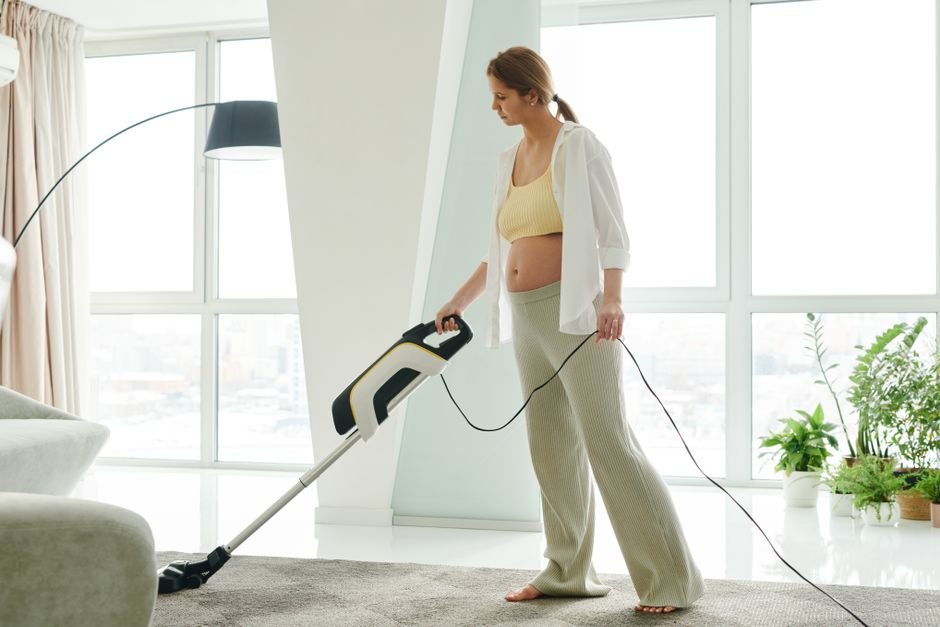
For daily care, vacuuming should not be rushed. Ensure you pass the vacuum over each section of the carpet several times, varying your direction to lift embedded dirt. Don’t forget the edges, where dust tends to accumulate. If you’re diligent with this step, you won’t need deep cleaning as often.
Let’s say it’s a typical Sunday. You’ve been advised to try the bicarbonate soda and vinegar trick your neighbour swears by. So, with a DIY spirit, you sprinkle the bicarbonate soda generously over that stubborn coffee stain. After allowing it to sit for an hour, slightly dampen the area with a small spray of vinegar. The fizzing action will bring the stain to the surface. With a little elbow grease, the stain lifts, revealing a revitalised carpet beneath. Victory! That said, some stains are more persistent and might need repeated treatment to fully disappear.
While tackling tough stains or large carpet areas, don’t over-saturate the carpet fibres. Excess moisture can lead to mould and unpleasant odours. A golden rule is to go light with liquids and heavier with your patience and technique. This not only prevents water damage but ensures a cleaner, fresher result.
Choosing the Right Cleaning Products
Selecting the right cleaning products for your carpet is crucial for effective results. Generally, a combination of mild detergents, bicarbonate soda, and white vinegar covers most of your needs. Always test new solutions in an inconspicuous area first to prevent discolouration or damage.
Your carpet type matters. Wool carpets, for instance, are sensitive to alkaline products, so look for pH-balanced cleaners. Synthetic carpets can usually handle most cleaners, but always double-check labels for compatibility. According to Which?, choosing the wrong cleaner can void warranties or cause damage, emphasising the importance of following manufacturer guidelines.
Read product labels carefully. Some contain harsh chemicals that potentially harm pets or children. Look for biodegradable or plant-based options if you want a greener approach. Although they might require more effort, they’re less damaging to your home environment and are generally safer.
Picture a day when the kids spilled juice on the carpet. Before panic sets in, you remember the recommendation to use a mild detergent mixed with warm water. Acting swiftly, you blot (without scrubbing) the stain with a cloth to absorb the liquid. Then, applying the detergent mix, you carefully work it into the fibres. A rinse with clean water, more blotting, and your carpet rebounds as the momentary chaos becomes a distant memory.
Buying carpet cleaning solutions needn’t be complicated. Many are put off by the technical jargon on bottles, but you can dodge this. Focus on familiar ingredients like vinegar and bicarbonate soda for your general cleaning. These items are not only effective; they’re easy to find and versatile around the home, making them a safe bet for regular use.
What tools and equipment are needed for carpet cleaning?
For effective carpet cleaning at home, you’ll need a vacuum cleaner, a carpet cleaner or steam mop, cleaning solutions, a soft brush, and some white towels or rags. Each plays a crucial role in maintaining your carpets and ensuring they come out looking fresh. You don’t need industrial-grade equipment, but the right basic tools help achieve professional-level results at home.
Start with a powerful vacuum cleaner. It’s the cornerstone of any good carpet cleaning arsenal. Removing loose dirt and debris is essential before applying any moisture or cleaning solution. If you’re considering a new one, a vacuum with a HEPA filter can trap allergens, making it ideal for households with allergy sufferers. Consistency is key—regular vacuuming reduces the need for deeper cleans. According to Which?, investing in a quality vacuum can significantly improve home cleanliness.
Next, consider a carpet cleaner or steam mop. These tools penetrate deep into fibres where dirt or old stains might lurk. A cleaner that heats water helps lift stains more effectively. Before purchasing, think about the size. Larger machines cover more area, but portable cleaners offer convenience for swift spot treatment. A steam mop is versatile, using heat to sanitise surfaces, though it requires care to avoid over-wetting the carpet.
Cleaning solutions are crucial too. Choose ones that suit your carpet’s material. For natural fibres, a mild soap may suffice, but synthetic carpets could withstand stronger detergents. Stain-specific sprays can target stubborn spots. Always test in an inconspicuous area first to prevent discolouration. Many homeowners find that regularly switching products can prevent stains from becoming resilient through familiarisation.
Finally, keep brushes and towels handy. A soft brush gently works the solution into the carpet fibres. White towels blot excess moisture and reveal any remaining stain without transferring dyes. The blotting technique is effective for preventing long-term fibre damage. In practice, neglecting this step means risking that dirt or residue re-establishes itself as the carpet dries.
“Using the right tools not only saves effort but also extends the life of your carpet significantly,” notes cleaning expert Sarah Mitchell.
How often should carpets be cleaned professionally?
Carpets should be professionally cleaned every 12 to 18 months to remove deep-seated dirt and refresh the fibres. Several factors affect this timeline—including household size, presence of pets, and foot traffic. Consistent professional cleaning protects against allergens and prolongs the carpet life.
If you’ve got a lively household, you might need services more frequently. Homes with kids, pets, or frequent visitors see more foot traffic, which grinds dirt into the fibres quickly. That consistent pressure calls for a cleaning schedule closer to 12 months. On the flip side, a smaller or quieter household could easily stretch to 18 months between sessions. According to recommendations on Gov.uk, maintaining a clean turnover supports a healthier indoor environment.
Seasonal changes make a difference too. In winter, mud and moisture brought in from outside can make carpets dirtier faster. Summer might mean less dirt but more dust and allergens, especially if windows are open frequently. Cleaning firms often suggest anchoring your schedule around these seasonal patterns to maximise efficiency.
Should you DIY in between? Certainly! Regular vacuuming and spot cleaning fill the gaps between professional services. It’s good practice to tackle fresh stains right away—time allows stains to set, which makes them tougher to remove. DIY care also means noticing early signs of wear, letting you arrange timely intervention before the issue demands a more serious remedy.
Customer feedback often highlights the hidden cost savings of routine professional cleaning. By addressing problems early, you sidestep expensive replacements. Many find that by sticking to their schedule, carpets last noticeably longer. A professional clean doesn’t just spruce things up — it safeguards your investment.
In practice, many homeowners delay hiring professional services until visibly necessary, often increasing the difficulty and cost of cleaning down the line.
Can you really remove set-in carpet stains at home?
It’s possible to remove set-in carpet stains at home with persistence and the right products. While tougher than fresh stains, a combination of targeted cleaning solutions, patience, and elbow grease can yield good results.
Begin by assessing the stain. Not all stains respond to the same treatment. Wine demands different handling compared to grease. For most issues, start with a solution made from household items like baking soda and vinegar or a specialised carpet cleaner targeted to the stain type. Using a soft brush, work the mixture gently into the fibres and let it sit before rinsing with warm water.
Patience is essential. Stains often require multiple applications to lift entirely. Household wisdom suggests leaving the solution to soak for at least 15 minutes before blotting, then revisit with additional applications if needed. Blot—don’t rub. It’s a mantra that saves your carpet fibres from unnecessary wear or spreading the stain further.
Professional advice can also help. Some stains are simply too tough for a DIY approach. In cases where vigorous efforts yield little improvement, call in a pro. Experts have access to industrial-strength cleaners and equipment that achieve results home methods can’t match. According to HSE, using the appropriate method reduces the risk of long-term damage to floors and injuries from slipping hazards.
Real-world success stories abound, but they’re usually paired with advice: test all methods in a hidden spot first. Many homeowners have brightened a room’s look by lifting an old, haunting stain. But remember, it might also be the time to rearrange the furniture strategically if success eludes you.
“Don’t underestimate the power of timing. Treating stains within 48 hours doubles your chances of complete removal,” advises cleaning specialist Anna Lewis.
Frequently Asked Questions
How often should carpets be cleaned?
For most homes, cleaning carpets every 6 to 12 months keeps them in good condition. High-traffic areas, particularly in homes with pets or children, might require more frequent cleaning. Regular maintenance, like vacuuming and spot cleaning, helps prolong intervals between deeper cleans.
Can I clean carpets without a steam cleaner?
Yes, you can manage without a steam cleaner by using a mix of warm water and a suitable carpet cleaning solution. Scrubbing gently with a soft-bristle brush can tackle surface dirt. For more tips, Which? provides a detailed guide on carpet care.
What’s the best method for removing pet hair from carpets?
A vacuum cleaner with a dedicated pet hair attachment works wonders. Alternatively, rubber gloves or a damp sponge can help lift stubborn hair. Regular grooming of pets and strategic placement of rugs can also minimise hair accumulation.
Are store-bought carpet cleaners effective?
Store-bought cleaners are effective for many common stains and spills. They are convenient for quick fixes. However, for deep-seated dirt or persistent stains, professional treatments might be more effective. Always conduct a spot test first to avoid damage.
Do eco-friendly cleaning solutions work well on carpets?
Eco-friendly solutions can be effective, especially when used for regular maintenance. They’re a good choice for households concerned about chemical exposure. Look for products certified by reliable bodies. Natural methods, like baking soda and vinegar, are popular among those seeking sustainable options.
Author credibility: With years of experience in home maintenance and cleaning, the author has honed practical skills needed in carpet care, ensuring insights are both professional and applicable.
Final Thoughts
Carpet cleaning isn’t just about removing dirt; it’s about maintaining the fabric’s integrity. Tackle spills immediately, use the right tools, and schedule regular deep cleans. Your home stays cleaner, and those carpets last longer. Get started today with a rental steam cleaner or try an eco-friendly solution for a fresh start. More advice can be found on RSPCA’s guide to home care.
For further insights on home maintenance, consider checking out these related topics: .
📚 You May Also Like
References
- [1] Which? — https://www.which.co.uk/reviews/vacuum-cleaners/article/how-to-buy-the-best-vacuum-cleaner
- [2] Gov.uk — https://www.gov.uk/government/publications/how-to-reduce-condensation-and-damp-in-your-home
- [3] HSE — https://www.hse.gov.uk/slips
- [4] Which? provides a detailed guide on carpet care — https://www.which.co.uk/reviews/carpet-cleaners/article/advice-and-tips/how-to-clean-carpets-aAwD23y7SGLw
- [5] RSPCA's guide to home care — https://www.rspca.org.uk/adviceandwelfare/homeandgarden/flooring


