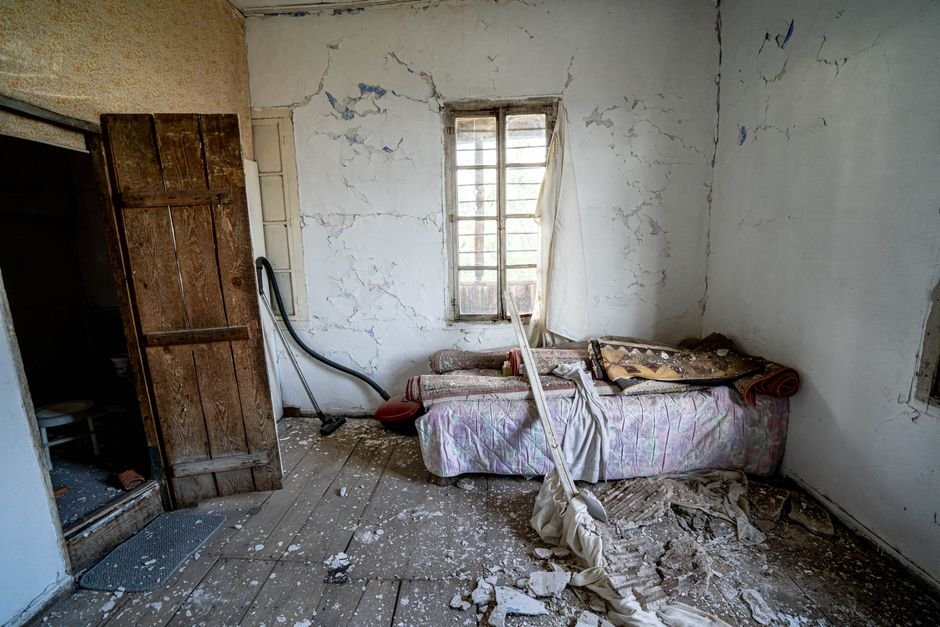
Deep cleaning neglected property can seem overwhelming at first glance. You might be staring at years of dust, grime, and possible repair work, unsure of where to even begin. This guide offers a step-by-step approach, demystifying the process and ensuring you don’t miss a spot along the way.
Quick answer: Deep cleaning neglected property involves these steps: decluttering, dusting, scrubbing, repairing minor issues, and disinfecting. Start with a plan, use the right tools, and tackle one room at a time. Proper preparation ensures nothing gets missed, and you can manage your time effectively.
You can find more helpful resources on endoftenancycleaningserviceglenrothes.com.
Key Takeaways
- Declutter before starting.
- Use the right cleaning tools.
- Plan your deep cleaning.
- Tackle one room at a time.
- Disinfect after cleaning.
Deep Cleaning Neglected Property: Where to Start?
The best way to start deep cleaning neglected property is by planning ahead. Begin with a walkthrough to assess the extent of neglect and prioritise areas needing the most attention. Make a checklist of tasks for each room and gather all necessary supplies before diving in to avoid interruptions.
Beginning a deep clean without a plan can lead to chaos and unfinished tasks. Assess how much time you realistically have available for each session and how deep cleaning fits into your weekly schedule. Identifying the most challenging areas upfront allows you to strategise – focusing on the kitchen first, perhaps, or a clutter-prone hallway.
Commit to tackling smaller areas if the scope feels overwhelming. Focus on one room at a time, breaking it down further into smaller sections like cabinets or high surfaces. This approach prevents burnout. According to the NHS, consistent activity like cleaning can boost mental health by reducing stress and increasing a sense of control over your environment.
For example, consider an old two-bedroom flat left untended for years. Start by clearing out outdated food and expired products from kitchen cupboards. Next, soak bathroom fittings to handle the limescale build-up typical in neglected homes. Use this priority-based method room by room.
Ensure your cleaning route takes advantage of momentum. Knock out sections with big visual pay-offs first, such as room corners or frequently used common areas. This provides motivation. If you’re working with a team, assign tasks based on strengths, allowing stronger individuals to handle more labour-intensive chores.
Essential Tools and Products Needed
To effectively deep clean a neglected property, it’s essential to be well-equipped with the right tools and products. Invest in a sturdy vacuum cleaner with multiple attachments to tackle dust, dirt, and debris from various surfaces. Microfibre cloths are invaluable for dusting and wiping as they hold onto particles better than cotton. For scrubbing, a set of brushes with different bristle strengths can help tackle grime in grout lines, tiles, and hard-to-reach spots.
A reliable mop with a replaceable or washable head will ensure floors are left sparkling. When it comes to cleaning products, opt for versatile all-purpose cleaners to simplify the process. However, ensure you have specialised products for specific tasks, such as bleach for mould, descalers for limescale, and wood-specific polish for furniture restoration. Don’t forget protective gear like gloves and masks, especially in neglected areas where dust accumulation is significant. It’s also wise to have a step ladder handy to reach high spots safely.
How do you tackle the kitchen and bathrooms when deep cleaning a neglected property?
Focus on the kitchen and bathrooms first, as they typically have the most grime and bacteria. This means tackling built-up grease on kitchen surfaces and disinfecting bathroom fixtures. A systematic approach ensures thorough cleaning of these areas, making the property feel fresher and more inviting.
In neglected properties, kitchens often harbour dirt that’s stubborn to remove. Start with the extractor fan; it’s a magnet for grease. Use a degreaser, letting it sit for about ten minutes. Scrub with an abrasive sponge to break down the build-up. Follow by wiping down cupboards with a mild cleanser. Don’t overlook the hinges — they gather more dirt than you’d think.
Bathrooms present their own challenges, with mildew and limescale common culprits. Tackle mildew first by spraying affected areas with an anti-mould solution. Scrub gently — the goal is removal, not damage. For limescale, a vinegar soak works wonders on taps and showerheads. Just be cautious on marble or stone, as acid can harm these surfaces.
According to the NHS, using harsh chemicals in small, unventilated spaces like bathrooms can cause dizziness and respiratory issues. Always ensure good ventilation by opening windows or running a fan to minimise risk while deep cleaning.
Imagine tackling a multi-kitchen flat. Before starting, check for repairs like leaky taps or broken tiles. Cleaning around these can be a nuisance, and fixing them first saves effort later. You’ll face enough dirt without complicating the job further.
In practice, many overlook the extractor and ceiling fans entirely — they’re out of sight and often out of mind, collecting dust and grease over time that worsens air quality.
What are the best strategies to deep-clean flooring in a neglected property?
Focus on prioritising proper tools and techniques when deep-cleaning floors in neglected properties. Carpet extraction and steam cleaning for tiles work best. These methods enhance the aesthetic and hygienic state of flooring, eliminating ground-in dirt and potential allergens.
Floors, whether carpeted or tiled, act as giant sponges for grime. Before you start, identify spots that need special attention. Carpet extraction machines remove deeply embedded dirt, making a world of difference in neglected areas. For best results, pre-treat stains and allow the solution to work for at least fifteen minutes before extraction.
For hard floors, steam cleaning is your ally. It’s especially effective on tiles and linoleum, where bacteria can hide in grout lines. Unlike mopping, which redistributes dirt, steam cleaning lifts it away. Go slowly to let the steam penetrate. If the floors are wood, caution is key. Use a damp mop, not a soaking one, to prevent warping.
According to the RHS, repeated steam cleaning on a daily or weekly basis can prolong the lifespan of tiles and maintain their original finish by preventing buildup.
Picture a rental property after years of wear and tear. The finest layer of dust is ingrained into each grout line. A steam cleaner, while pricier upfront, pays off by eliminating the need for chemical cleaners and providing a deep clean. Your lungs and wallet will thank you later.
Which common areas should be focused on when deep cleaning?
Common areas in neglected properties, such as hallways and living rooms, quickly amass dirt from foot traffic. Prioritise deep cleaning these areas to improve their appearance and hygiene. Attention to such shared spaces lifts the property’s overall impression.
High-traffic areas like hallways and entrances accumulate dirt swiftly. Start with a high-powered vacuum cleaner on carpets, making several passes at different angles. This loosens embedded dirt more effectively. Better yet, follow up with carpet shampoo to refresh the fibres and scent.
Furniture also demands attention since dust loves soft furnishings. Vacuum the tops of curtains, sofas, and cushions. If cushions have removable covers, wash them. For those with delicate fabrics, a light brush followed by a gentle spray of fabric freshener keeps them in good nick.
Mid-cleaning, consider how to manage the workload. Such tasks can be spread out over days rather than attempting to tackle everything at once. According to Citizens Advice, spreading tasks leads to not only more effective cleaning but also less personal strain.
Envision a family home where the hallway’s been neglected for months. A deep clean restores the often-overlooked transition between rooms. Once complete, you’ll find yourself wondering how it wasn’t an earlier priority.
Too often, people underestimate the impact clean shared spaces have. They forget these areas form the first and lasting impression of a home.
Frequently Asked Questions
What supplies are needed for deep cleaning a neglected property?
Essential supplies include industrial-grade cleaning agents, protective gloves, goggles, scrub brushes, cleaning cloths, and a vacuum cleaner. You might also need a steam cleaner for carpets and a mop for hard floors. For specific tough stains, include specialist products like limescale removers or wood polish.
How long does it take to deep clean a neglected property?
The time required varies based on the property’s size and condition. A small flat might only need a day, while larger or severely neglected spaces could take several days or more. Professional teams often complete such tasks quicker due to specialised tools and expertise.
Are there any health risks when cleaning a neglected property?
Yes, common risks include exposure to mould, dust, and potentially hazardous waste. It’s crucial to wear protection, such as gloves and masks, and ensure proper ventilation. In severe cases, consider professional help to manage health risks effectively.
Can I claim any expenses for deep cleaning on my insurance?
Some home insurance policies might cover deep cleaning costs if linked to damage, such as after flooding. It’s wise to review your policy details or contact your insurer directly to understand coverage specifics.
Is it better to hire professionals or do it myself?
If you have the time, energy, and a reasonably small area to clean, doing it yourself can be cost-effective. However, for large, particularly challenging, or health-risk properties, hiring professionals ensures safety and thoroughness.
Author credibility: As a seasoned writer on home maintenance with a focus on practical how-to guides, I’ve spent years offering reliable advice on cleaning and home care.
Final Thoughts
Deep cleaning neglected property requires effort but rewards with significant improvements in comfort and hygiene. Key actions include assessing the space thoroughly, gathering the right supplies, and deciding if professional services are beneficial for specific challenges.
Your next step? Evaluate your own space. Once you know the condition, decide if you can tackle it yourself or if a professional touch is needed. Remember, the longer you wait, the tougher it can get.
Citizens Advice on repairs and tenant rights offers useful guidance if you’re renting. Additionally, Which? reviews on cleaning products can help you choose effective supplies.
Consider eco-friendly options as well, as they not only help the environment but can also improve the air quality in your home.
📚 You May Also Like
References
- [1] NHS — https://www.healthline.com/health/housekeeping-cleaning-errors
- [2] RHS — https://www.which.co.uk/reviews/steam-cleaners/article/which-steam-cleaner-cleaning-tips
- [3] Citizens Advice — https://www.citizensadvice.org.uk/housing/moving-and-improving-your-home/prentice-your-rights-around-damp-and-disrepair/
- [4] Citizens Advice on repairs and tenant rights — https://www.citizensadvice.org.uk/housing/repairs-in-rented-housing/
- [5] Which? reviews on cleaning products — https://www.which.co.uk/reviews/home-cleaning-products


