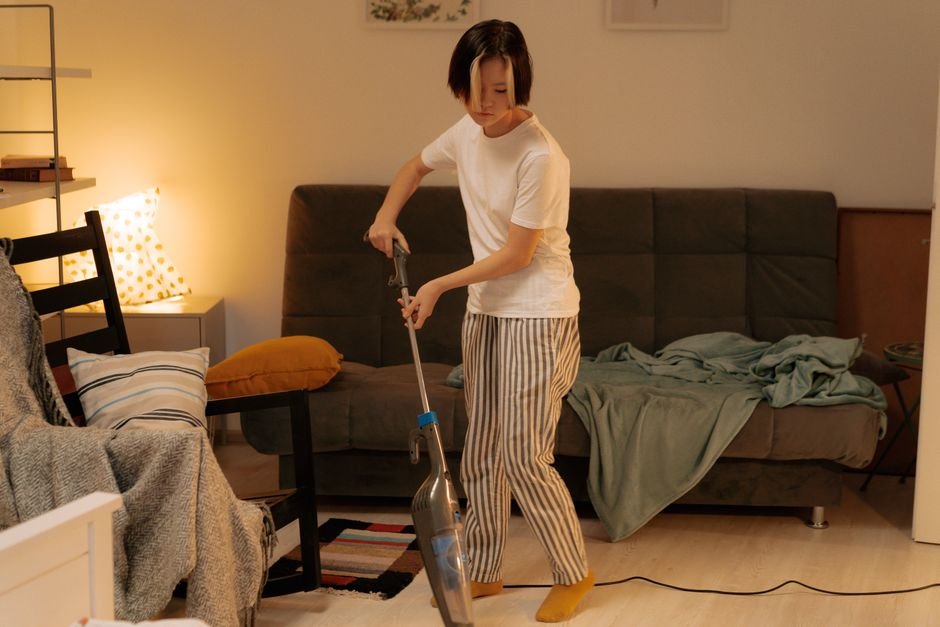
Domestic cleaning landlords property owners often face unique challenges in maintaining their properties. Ensuring a spotless home for new tenants can be daunting, especially with tight timeframes. This guide offers practical tips and strategies for landlords and property owners to ease the process and keep their properties in tip-top shape.
Quick answer: Domestic cleaning landlords property owners can streamline the process by using a checklist, engaging professional cleaners, and scheduling regular maintenance to avoid last-minute stress and ensure tenant satisfaction.
You can find more helpful resources on endoftenancycleaningserviceglenrothes.com.
Key Takeaways
- Checklists keep tasks organised.
- Professional cleaners save time.
- Regular maintenance prevents bigger issues.
- Tenant satisfaction boosts reputation.
- Plan cleaning around viewings.
Domestic Cleaning Landlords Property Owners: Why It’s Essential
Domestic cleaning landlords property owners need to prioritise cleaning to attract and retain tenants. A clean property not only enhances the appeal but also reflects the owner’s commitment to quality and tenant comfort. Ensuring a spotless rental environment requires attention to detail and planning.
Many landlords may believe a quick dust and vacuum will do the trick, but this often isn’t enough. The devil’s in the details — grimy skirting boards, smudged windows, and limescale build-up can put potential tenants off. This aspect is where landlords often falter, thinking a basic tidy-up will suffice. But a rigorous cleaning strategy can make all the difference in a competitive market.
Cleaning professionals use detailed checklists to ensure no spot is missed. These lists, which cover everything from the top of the shelves to behind the appliances, guarantee a thorough clean. Many landlords find value in setting up regular professional cleans rather than tackling everything themselves. This proactive approach minimises the risk of major cleaning headaches when a tenant moves out.
An example that regularly crops up is the kitchen. Often the heart of a home, it can be the bane of any landlord’s life. Cleaning the oven, degreasing extractor fans, and leaving worktops shining can be time-consuming but crucial tasks. A North London landlord once shared how a lack of attention in this area lost them a rental contract. The feedback? The kitchen wasn’t clean enough to cook in.
To avoid such pitfalls, it’s vital to have a cleaning schedule aligned with property viewings and tenant moves. Consistent upkeep means there’s less workload when a tenant vacates. Regular cleans, performed once every few months, keep standards high and simplify the process. Careful scheduling ensures there is no mad dash right before someone new moves in.
Challenges and Solutions: Getting It Right Every Time
Landlords often face challenges when it comes to meeting cleanliness standards. Issues stem from time constraints, budget limitations, and sometimes, lack of cleaning expertise. But tackling these problems head-on with strategic solutions can make the process more manageable and effective.
High tenant turnover can exacerbate these challenges, as frequent changes demand constant cleaning attention. For landlords managing multiple properties, ensuring high cleanliness can feel like spinning plates. Many property owners underestimate the time needed, resulting in rushed jobs and missed details, which can lead to tenant dissatisfaction or even loss.
One effective solution is to compile a comprehensive cleaning checklist and timeline for each cleaning session. This simple strategy helps manage time efficiently and ensures thoroughness. Some landlords find employing a professional cleaning service to be cost-effective in the long run, despite the initial outlay. This professional touch often pays dividends with increased tenant satisfaction and reduced vacancy periods.
Consider the example of a property in Manchester, where the owner overlooked regular window cleaning, leading to tenant complaints. Despite regular internal cleans, the grimy windows caught the tenant’s eye, leading them to question the overall hygiene of the property. This incident highlights how neglecting minor details can overshadow major efforts.
Being proactive and addressing potential issues before they escalate is key. Scheduling regular maintenance checks, which include small tasks like window cleaning or gutter checks, prevents problems from growing. Such activities, although seemingly minor, contribute significantly to the property’s overall appeal and maintenance.
Effective Strategies for Regular Property Maintenance
For landlords and property owners, regular property maintenance is not just about cleanliness but also about preserving and enhancing property value. It’s a balance of routine tasks and strategic long-term care that keeps everything in top shape and appealing to tenants.
Routine can often lead to complacency, and landlords sometimes miss the less obvious maintenance tasks. This oversight can lead to larger issues later on. But by implementing a preventive maintenance schedule and sticking to it, many of the common pitfalls can be avoided. It’s about putting in place systems that allow for consistent, manageable upkeep, rather than reactive tasks when something goes wrong.
Landlords often find that integrating regular property audits into their routine helps identify potential issues before they become costly repairs. Checking for small leaks, mould spots, and wear and tear can seem tedious but saves money and stress in the long run. Additionally, these audits give an opportunity to address tenant concerns early, fostering a better relationship.
One real-world scenario involves a landlord with properties across Edinburgh. They had long struggled with damp due to overlooking regular humidity checks and window ventilation. When they finally introduced a regular schedule, which included dehumidifier checks and reviews of weather stripping on windows, the damp complaints reduced significantly, and tenant satisfaction increased as a result.
No maintenance strategy is without its challenges, but consistency is the cornerstone of success. Even small acts, like changing air filters or ensuring smoke alarms are functional, keep properties safe and habitable. And while tenants notice the day-to-day cleanliness, they also appreciate the long-term investment in maintenance. After all, a well-maintained property is not only more valuable but also more inviting.
How Do You Establish a Cleaning Routine for Rental Properties?
Creating a consistent cleaning routine for rental properties improves tenant satisfaction and preserves property value. Start with a schedule that considers tenant turnover, seasonal changes, and high-traffic areas. A clear plan helps prevent last-minute scrambles and ensures landlords and property owners can maintain their rentals efficiently.
To begin, assess the needs of your property. Different spaces require varied levels of attention. For instance, in a shared housing setup, common areas like kitchens and bathrooms might need cleaning more frequently than private bedrooms. Consider these specifics. Determine where dirt gathers fastest and which surfaces need regular maintenance.
Next, set a regular timetable. A weekly checklist might include vacuuming carpets, mopping hard floors, and dusting surfaces. High-touch areas like door handles and light switches should be sanitised regularly, especially in today’s health-conscious environment. Investing time upfront saves hassle later.
You’ll also need to think seasonally. For example, during the winter, tenants may bring in mud and muck from the outside; while spring cleaning might involve deeper tasks like washing carpets or curtain refreshes. Factor these changes into your routine. Adjustments can keep your property in top shape all year round.
Communication with tenants is vital. Some landlords provide cleaning supplies or services as part of the tenancy agreement, creating expectations from the get-go. Encourage feedback. This dialogue not only ensures that tenants are aware of their responsibilities but also that any potential cleaning issues are addressed promptly.
According to Which?, establishing clear tenant responsibilities regarding cleaning can foster better compliance and less conflict in landlord-tenant interactions.
What Should Landlords Know About Cleaning Between Tenancies?
Cleaning a property thoroughly between tenancies is crucial. It not only prepares it for new occupants but also helps spot damage or required repairs. A detailed cleaning checklist ensures no area gets overlooked, maintaining a property’s condition over time.
To start, tackle the obvious: surfaces, floors, and fixtures. A deep clean is more than just running a vacuum. Clean carpets, wash walls, and polish wooden surfaces. Ensure ovens, fridges, and any provided appliances are spotless. It’s about making the property look as close to brand new as possible.
Next, inspect less obvious spots. Extractor fans, air vents, and windowsills often gather dust unnoticed. Little details make a big impact. Don’t forget exterior spaces too, like gardens or patios. They need attention, especially if they are included in the rental agreement.
Ensure all repairs are addressed. Cleaning highlights potential issues — water damage, mould, or any structural concerns. Sorting them out during the cleaning process prevents larger costs down the line. A well-maintained property reduces vacancies and attracts steady tenants.
Landlords should also document the condition post-cleaning with photographs or videos. This creates a visual record and protects against potential disputes. With a clear evidence trail, landlords can confidently handle any claims of pre-existing damage by new tenants.
According to the UK Government, a thorough end-of-tenancy clean is key in securing tenancy deposits and ensuring properties are ready to let again swiftly.
One experienced property manager notes, “A meticulous end-of-tenancy clean saves me wiped deposit disputes just as reliably as it saves my carpets.”
How Can Landlords Balance Cost and Quality for Cleaning Services?
Balancing cost and quality in cleaning services requires careful choice and negotiation. Landlords aim for affordability without compromising the cleanliness potential tenants expect. Evaluating options effectively can help achieve both goals.
First, compare service providers. Get quotes from multiple local cleaning companies. Price isn’t everything. Consider recommendations, reviews, and the specific services they offer. Note any included guarantees or insurance coverages. This information helps gauge each provider’s reliability and thoroughness.
Next, consider investing in long-term contracts. Regular business can drive down costs. Many companies offer discounts for ongoing services, ensuring consistent quality over time. It’s not just about one-off cleans; it’s about building a rapport with a reliable service partner.
Also, think about whether all services need external providers. Often, landlords or their management teams can handle minor tasks, like rubbish clearing or quick touch-ups to communal areas. This approach can save considerable amounts while leaving the bigger jobs to the professionals.
However, be wary of going too cheap. Shoddy cleaning can lead to tenant dissatisfaction, which may result in a quick turnover and higher future expenses. A cleaning service that keeps your properties pristine is often well worth the investment.
According to Checkatrade cost guides, the cost of a cleaning service varies greatly across the UK, highlighting the need for landlords to budget carefully and expect regional differences.
In practice, uneven standards in outsourced cleaning are a common mistake landlords make. They often underestimate a cleaner’s job, realising only too late that not all services are equal.
Frequently Asked Questions
What cleaning services should landlords provide?
Landlords should ensure their properties are professionally cleaned before new tenants move in. This includes carpet cleaning, kitchen and bathroom sanitisation, and possibly window cleaning. Many landlords find that offering a clean, well-maintained property not only complies with legal standards but also enhances tenant retention.
How often should a rental property be cleaned?
The frequency of cleaning depends on tenant turnover and the property’s use. High-turnover properties may require professional cleaning between tenancies, while steady tenancies benefit from annual deep cleaning to maintain quality and comply with any health and safety regulations outlined by the HSE.
Are cleaning costs tax-deductible for landlords?
Yes, many cleaning costs are tax-deductible. According to HMRC, landlords can claim cleaning expenses as part of their rental income tax return, reducing taxable profits from rental income. It’s wise to keep detailed records of all expenses.
What’s included in a professional deep clean?
A professional deep clean typically includes thorough cleaning of all carpets, upholstery, kitchen appliances, and bathroom facilities. It might also cover dusting and sanitising all surfaces, removing any mould or limescale, and ensuring hygiene standards are met throughout the property, especially in high-use areas.
How can landlords find reliable cleaners?
Landlords can find reliable cleaners by asking for recommendations from other property owners, reading online reviews, or checking with local letting agents. Some also turn to organisations like Which? for trusted service reviews. Always check references and ensure cleaners have necessary insurance.
Author credibility: As an experienced property management consultant, I’ve guided landlords on maintaining properties efficiently through strategic cleaning solutions for over a decade.
Final Thoughts
For “domestic cleaning landlords property owners”, three key tips emerge. First, choose cleaning services that match property size and tenant needs. Second, keep cleaning costs manageable by comparing service providers. Finally, stay informed on tax changes that might affect deductibility. The next step? Consult with local cleaning professionals and compare quotes to ensure your properties remain tenant-ready. This ongoing maintenance not only enhances your property’s value but also fosters positive tenant relations and boosts long-term returns.
and reduces tenant turnover rates.
📚 You May Also Like
References
- [1] Which? — https://www.which.co.uk/consumer-rights
- [2] UK Government — https://www.gov.uk/renting-out-a-property
- [3] Checkatrade cost guides — https://www.checkatrade.com/blog/cost-guides/domestic-cleaning-cost/
- [4] HSE — https://www.hse.gov.uk/legislation/
- [5] HMRC — https://www.gov.uk/renting-out-a-property/paying-tax