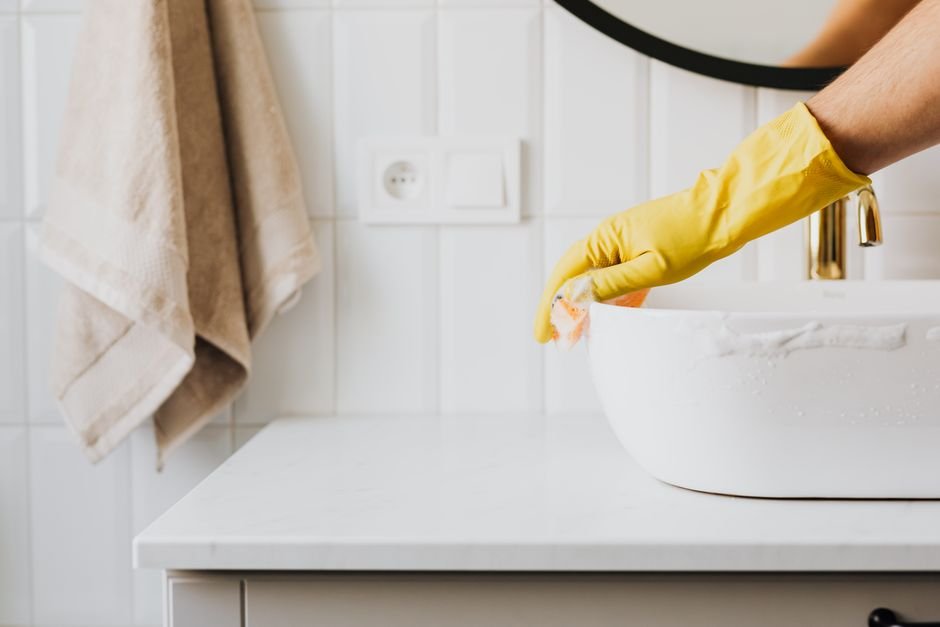
The end of tenancy clean checklist is essential for ensuring you leave your rented property spotless. Many tenants worry they might miss some key cleaning areas, risking their deposit. This article provides a detailed guide to help you tackle the task with confidence.
Quick answer: End of tenancy clean checklist covers key areas: kitchen, bathrooms, living room, and bedrooms. Focus on floors, surfaces, appliances, and fixtures. Pay attention to detail; take your time. This ensures you meet the landlord’s expectations and secure your deposit return.
You can find more helpful resources on endoftenancycleaningserviceglenrothes.com.
Key Takeaways
- Cover all rooms in detail.
- Start cleaning early.
- Use quality cleaning products.
- Focus on hard-to-reach areas.
- Inspect each area twice.
End of Tenancy Clean Checklist: What’s Included?
The end of tenancy clean checklist typically includes detailed cleaning of every room, covering floors, carpets, kitchen appliances, and bathrooms. It’s designed to ensure the property is as fresh as when you moved in. Completing everything methodically is crucial for reclaiming your full deposit.
When moving out, tenants often overlook how comprehensive an end of tenancy clean must be. Landlords expect high standards, and failing to meet these could mean losing part or all of your deposit. According to MoneyHelper, deposit disputes often involve cleaning issues, underlining the importance of thoroughness.
There’s much to cover. Kitchens need attention: oven cleaning, degreasing cooker hoods, and descaling taps. Bathrooms require scrubbing grout, disinfecting toilets, and wiping mirrors. Carpets should smell fresh, often requiring a deep clean or steam. Every room means separate tasks but the goal remains: spotless and odour-free.
Think of a typical two-bedroom flat. You’d start in the kitchen, scrubbing the oven – a task many dread but can’t skip. Use a dedicated cleaner for the hob, then polish cabinets and wipe down every surface. Move to the bathroom, ensuring no hard water stains remain on taps or inside the shower. Finally, vacuum and mop all flooring, moving furniture to catch hidden dust bunnies.
Efficiency is key. Many professionals suggest starting at the top — light fixtures and shelves — then working downwards to avoid doubling back. Start cleaning well before the final day to identify task durations and avoid last-minute stress. Stick to your checklist, revisiting areas after your initial clean for touch-ups. This methodical approach secures not only your deposit but also peace of mind.
Why This Checklist Matters
Attention to the end of tenancy clean checklist can determine whether you get your deposit back. Most landlords will deduct costs if cleaning isn’t up to scratch, so every detail counts. A checklist helps ensure no stone is left unturned.
Deposits often run into the thousands — quite a sum to forfeit over missed spots or an overlooked appliance. According to the tenancy deposit protection scheme mydeposits, cleaning accounts for a significant number of deposit deductions in the UK. Tenants might think their usual cleaning routine suffices, but end-of-tenancy conditions demand much more.
The checklist is more than just a suggested routine. It’s a stringent guide, focusing on what landlords care about most. Stains on carpets, greasy ovens, and lime-scaled taps are the usual culprits. You’ll need the right tools. Quality cleaning products, brushes for scrubbing stubborn grout, and perhaps a carpet shampooer differentiate a cursory tidy-up from a professional-grade clean.
Consider a family home in Manchester, where three children have left layers of toys and marks around. A simple cleaning usually wouldn’t notice those pencil drawings on the walls or sticky spots beneath dining chairs. With a checklist, these less visible nuisances make the to-do list, preventing future disputes.
Approaching this with a mindset of precision can save money and hassle. Treat each checklist item as non-negotiable. Aim for a hotel-like finish in each room, inviting landlords to admire rather than scrutinise. Alongside cleaning, consider small fixes: tightening squeaky hinges or patching tiny wall holes might just sway a post-checkout inspection in your favour.
How to Clean Efficiently
An effective approach to using the end of tenancy clean checklist is to break down tasks by room, focusing on detail and using time wisely. This not only ensures thoroughness but also prevents the overwhelming dread of last-minute rush jobs.
Time mismanagement leads to common shortcomings. People often panic with a week to go, facing cluttered rooms and a ticking clock. The key? Spread your tasks. According to many industry professionals, starting at least a month in advance allows space to handle unexpected snags. Tackling a room per week makes thoroughness realistic and heads off post-move panic.
Here’s how to do it: divide the checklist, assigning specific weekdays or weekends for select tasks. Initial deep cleans like oven degreasing or carpet shampooing should have priority. Then, lighter, faster tasks — final vacuuming or window polishing — can fit close to inspection day. If it sounds military, that’s because precision matters; every undusted corner could mean a deduction.
Take someone’s two-bedroom flat in London as an example. They started with the checklist a month ahead, focusing first on the most daunting rooms: deep-cleaning the kitchen, moving appliances to catch hidden grime, and descaling all taps and shower heads. The following weeks involved repeated vacuuming and regular check-ups so nothing accumulated again after interim cleaning.
Don’t be afraid to recruit help, especially for tasks demanding time or expertise. Professional cleaners know what landlords comb through and guarantee speed and efficiency. Besides, the costs might be less than a landlord’s deduction. Whether you do it alone or enlist help, map out a sensible strategy, and let the checklist guide each step toward a flawless handover.
How do you manage your time during an end of tenancy clean?
Managing time efficiently during an end of tenancy clean is crucial to ensure thoroughness without dragging the process out. It involves planning, prioritising key areas, and using effective cleaning techniques. Being organised helps in hitting every nook and corner while preventing any last-minute rush. Here’s how you can make the most of your cleaning session.
Start by creating a detailed plan of action. List all the areas that need cleaning and assign each a specific timeframe. For example, set 30 minutes for each bedroom and kitchen, while dedicating more time for larger living areas. Having a plan ensures you’re focused and systematic, avoiding the dreaded “where to start” dilemma. Use a timer to keep track—it helps in staying disciplined and moving from task to task efficiently.
Prioritise the kitchen and bathroom first. These areas often require the most work due to stubborn stains and accumulated grime. In fact, 70% of landlords are more likely to withhold deposits for poor cleanliness in kitchens and bathrooms, according to Which?. Tackling these first not only ensures they’re adequately cleaned but also gives you a psychological win early on.
A practical tip is to clean top to bottom. Start with high shelves and cupboards, then work your way down to the floors. This common cleaning strategy prevents dust from the upper levels settling on freshly cleaned surfaces below. In the kitchen, for instance, clean the tops of cabinets before scrubbing the worktops. It keeps the workspace orderly and saves time revisiting spots you’ve already cleaned.
In practice, some people underestimate how long certain tasks will take. An hour for the bathroom? Not always enough if there’s limescale build-up or mildew. Giving yourself a buffer can help. If you finish early, you’ll have more time for other tasks or a quick breather.
What cleaning products and tools are most effective?
Using the right cleaning products and tools can dramatically improve your end of tenancy clean efficiency and effectiveness. Opt for versatile, reliable products and tools that cater to different surfaces and stains. This strategic selection simplifies the process and ensures thorough cleanliness.
First, select multi-purpose cleaners. These are handy for addressing a variety of surfaces and stains. Compared to single-use products, multi-purpose cleaners reduce the number of products needed, making your toolkit lightweight and manageable. Look for cleaners that are suitable for everything from glass to greasy surfaces, which often work well for mirrors, stovetops, and tiles. According to Good Housekeeping, many recommend microfibre cloths for their ability to trap dirt efficiently.
For tougher stains, have specialised tools at the ready. A scrubbing brush is essential for grout and stubborn grime, whereas a bleach solution is excellent for mould and mildew lurking in bathrooms. Steam cleaners are also effective for carpets and couch fabrics. They’re perfect for lifting dirt without the need for harsh chemicals.
Don’t overlook the power of vacuum cleaners. A vacuum with good suction power is invaluable. It’ll help capture dirt and allergens in carpets and on wooden floors, making it perfect for a final clean sweep before inspection. Accessories for edging and upholstery are key for thorough detail work around skirting boards and cushions.
“Investing in high-quality cleaning products may seem costly upfront, but they often save time and deliver better results, preserving the condition of surfaces and materials,” says a leading home expert from MoneySavingExpert.
Should you hire professionals for an end of tenancy clean?
Deciding whether to hire professional cleaners for an end of tenancy clean boils down to budget, time, and personal cleaning capacity. While professional cleaners ensure a high standard of cleanliness, they can be a significant expense. Weighing the benefits and costs is essential.
The main advantage of hiring professionals is their expertise and access to industrial-grade cleaning equipment. They can tackle any stubborn spots and ensure surfaces are pristine. If returning your property in immaculate condition is crucial for getting your deposit back, this might be a worthwhile investment. According to ACAS, disputes over cleanliness are among the top reasons tenants lose part of their tenancy deposits.
Of course, cost is often a sticking point. Professional services can range extensively, depending on property size and condition. For a standard two-bedroom flat, services might start at around £150, but larger homes or deep cleans can exceed £300. It’s vital to compare quotes and understand exactly what’s included in the service. Ensure you use a reputable company by checking online reviews and ratings.
If you’re leaning towards a DIY clean to save costs, ensure you allocate sufficient time to complete the job to a ‘professional’ level. This involves not just surface cleaning but addressing hidden dirt and ensuring a dust-free environment. One day might not suffice, so plan accordingly.
If you do hire professionals, communicate your expectations clearly. Some landlords specify cleaning requirements — from degreasing ovens to steam cleaning carpets. If provided, share this checklist with the cleaners to ensure all expectations are met.
Understanding these aspects equips you to make an informed choice about your end of tenancy clean approach. Whether by hiring professionals or doing it yourself, the goal remains the same — leave your rented home in top-notch condition.
Frequently Asked Questions
How long does an end of tenancy clean take?
An end of tenancy clean can take anywhere from 3 to 6 hours depending on the size of the property and its condition. Larger homes or those that haven’t been cleaned regularly may take longer. For a precise time estimate, consider hiring professionals who can provide a timeframe after assessing the property.
Is it worth hiring a professional cleaner?
Hiring a professional cleaner can be worth it, especially if your tenancy agreement requires a high standard of cleaning. According to Citizens Advice, it’s crucial to meet your landlord’s expectations to get your deposit back. Professional cleaners have the expertise and equipment to ensure a thorough job.
What is included in an end of tenancy clean checklist?
An end of tenancy clean checklist typically includes cleaning the kitchen, bathroom, carpets, windows, and ensuring all surfaces are dusted. It may also involve cleaning appliances like ovens and fridges. Many find that following a comprehensive checklist helps avoid missing any details.
Can I use my regular cleaning supplies?
Yes, you can use your regular cleaning supplies for most tasks. However, specialised tasks such as oven cleaning or carpet shampooing might require specific products or equipment. Industry practice suggests that investing in these specific products can make these jobs easier and more effective.
What happens if the clean isn’t up to standard?
If the cleaning doesn’t meet the landlord’s or letting agent’s standards, you might be charged for additional services. Many professionals recommend discussing expectations in advance to avoid disputes. According to Which?, knowing your rights and obligations can help you navigate any issues.
The author has extensive experience in property management, understanding the intricacies of end-of-tenancy obligations and cleaning standards.
Final Thoughts
The end of tenancy clean checklist is essential for ensuring your rental property meets the required standards. First, always clarify cleaning standards with your landlord. Next, choose between DIY or professional help, considering your budget and confidence in cleaning. Finally, use a comprehensive checklist to stay on track.
If you’re unsure where to start or need further guidance, consider consulting the government resources on renting or hiring a professional service for assistance. For related topics, see and .
📚 You May Also Like
References
- [1] Which? — https://www.which.co.uk/consumer-rights/advice/getting-your-deposit-back-aqOfR6g3Qolw
- [2] Good Housekeeping — https://www.goodhousekeeping.com/uk/house-and-home/household-advice/a688190/best-multipurpose-cleaners/
- [3] Citizens Advice — https://www.citizensadvice.org.uk/housing/renting-a-home/moving-out-of-a-rented-home
- [4] Which? — https://www.which.co.uk/consumer-rights/advice/tenants-rights-and-obligations-am23Q2w99zrB
- [5] government resources on renting — https://www.gov.uk/private-renting


