End of tenancy cleaning mistakes can cost you dearly when it’s time to move out. You’ve got your deposit at stake, time running short, and stress levels rising. This guide will highlight the common traps and show you how to steer clear of them.
Quick answer: End of tenancy cleaning mistakes often lead to loss of your deposit. Be thorough by checking everything from carpets to kitchen appliances and remember to clean areas like skirting boards and light fittings, which are frequently missed. Use a checklist to ensure nothing important is overlooked.
You can find more helpful resources on endoftenancycleaningserviceglenrothes.com.
Key Takeaways
- Check for missed spots like skirting boards.
- Use the right cleaning supplies.
- Schedule enough time for a deep clean.
- Inspect carpets and kitchen appliances closely.
- Consider professional cleaning services.
End of Tenancy Cleaning Mistakes: Essential Tips
End of tenancy cleaning mistakes often occur in overlooked details and poor planning. It’s crucial to make a thorough checklist covering every room and surface. Miss something small, like a plug socket’s grime, and you might face deductions from your deposit.
When moving out, tenants can easily underestimate the landlord’s expectations for cleanliness, leading to conflicts over deposits. According to guidance from Gov.uk, your deposit should be protected, but landlords can legally make deductions for cleanliness issues. Ensuring you’re clear on what clean means in a rental context helps prevent misunderstandings. Often, tenants rely on their own cleaning standards, which may not align with the landlord’s or the next tenant’s expectations.
Drilling down to specifics, the condition of the oven usually tops the list of common end of tenancy cleaning mistakes. Another is ignoring corners where dust and grime accumulate, like behind the fridge or in window tracks. Real estate agents often conduct detailed checks and tiny missteps add up quickly. Missing these can mean the difference between getting your full deposit back or not. A deep clean takes time, leaving it to the last minute almost guarantees trouble.
Imagine this scenario: You’ve packed up everything, confident the place is spotless, only to receive a call from the landlord. “The stovetop is caked with burnt food,” they say. “There’s unexplored dirt in the bathroom grout.” Such oversights catch many out because they’re not used to examining these areas daily. Addressing every nook and cranny can help prevent these real-life frustrations. Even doing the carpets might need some muscle work, or hiring a professional if they’re too far gone.
Early planning is the secret weapon. Schedule a week to systematically tackle each room. Break the job into chunks and make it manageable. Hiring a professional cleaner is another option for peace of mind, particularly if your schedule is tight. Numerous companies specialise in end of tenancy cleans, taking away the stress of doing it all yourself. Remember, the cost of a cleaner might save you more than you’d lose from a reduced deposit.
Why Landlords Deduct from Deposits
Landlords deduct from deposits primarily due to cleaning issues. But that’s just the start. Damaged fixtures, unreported repairs, and incomplete redecoration can also hit your wallet. Around 56% of UK landlords, according to research by Propertymark, cite cleaning as the main reason for deposit deductions.
It’s more than sweeping and mopping. The level of cleaning expected can sometimes surprise those moving out, especially if they’ve lived there for a while. Wear and tear is expected. However, landlords will typically want it restored to a pre-let standard, minus unavoidable aging. Tenants often assume they’ll get their deposit back as long as there’s no visible damage, but the reality is much less forgiving.
For a deeper understanding, consider the areas where deductions often occur. Carpets, with their propensity for trapping dirt, stains, and odours, are well-known culprits. Hence, landlords focus here during inspections. Additionally, the reason many tenants fail to receive their entire deposit back is that they overlook areas like the sides or tops of white goods, removing limescale from taps, or addressing minor wall marks that matter. To avoid these pitfalls, diligence is your best ally.
Let’s consider Sarah. She learnt a hard lesson after her landlord deducted £200 for carpet cleaning and kitchen grime she hadn’t anticipated. Despite scrubbing what she thought was enough, a forgotten spill and limescaled taps cost her a significant chunk of her deposit. It teaches a lesson on misaligning tenant-landlord expectations. Double-checking areas prone to stains and damage, and hiring a professional if needed, might cost upfront but could avoid a greater loss.
The right approach involves fully understanding what is expected. Communicate with your landlord if needed, to avoid assumptions leading to misunderstandings. Some factors are subjective, so asking for a checklist of key areas can prevent issues. That way, both parties leave the tenancy agreement satisfied. A thorough walk-through with your landlord before the final inspection might help ensure everyone’s content. That conversation upfront can surely save some surprise deductions later.
How Can You Avoid Common Cleaning Errors?
Avoiding common cleaning errors ensures the full return of your tenancy deposit. The key is meticulous preparation and attention to overlooked areas. Regular inspection and a well-thought-out checklist can eliminate many pitfalls naturally encountered during the end of tenancy cleaning. Understanding landlord expectations—and meeting them—is crucial for a hassle-free moving process.
One error people often make is starting too late. If you’re planning DIY cleaning, allocate enough time. Tenants frequently underestimate the time required for a deep clean, leading to rushed jobs. A rushed cleaning often means missed spots. Prioritise heavily used areas like kitchens and bathrooms first—grime hides in surprising places.
Another common pitfall is using the wrong cleaning products. Tenants might assume that a generic cleaner works on all surfaces. However, certain materials like marble or hardwood need specific products to avoid damage. It’s well worth it to use complementary cleaning agents tailored for different surfaces.
For carpets and upholstery, it might be tempting to rent a quick-fix steam cleaner. Unfortunately, incorrect usage can lead to damp residues, further attracting dirt. Often, leaving it to professionals is wise. On the other hand, if you’re determined to tackle it yourself, research to ensure you’re operating the machine correctly.
Finally, tenants can overlook small but essential details like light fittings and skirting boards. Dirt accumulates there unsuspectingly. Landlords might focus intensely on these areas during inspections since they’re often missed. A routine check with good lighting can ensure you don’t skip any vital areas unknowingly.
In practice, rushing through end of tenancy cleaning often leads to small damages being missed, which can easily become costly deductions from your deposit.
Why Are Carpets a Common Issue During End of Tenancy?
Carpets often become a point of contention due to wear, stubborn stains, and improper cleaning techniques. Carpets retain dirt and stains over time, making their appearance a concern for landlords. It’s crucial to clean them following tenancy agreement standards.
Not understanding the difference between normal wear and tear and negligence can cost tenants dearly. According to HSE guidelines, regular maintenance includes vacuuming and occasional deep cleaning. However, landlords might expect spotless conditions, compelling thoroughness beyond standard upkeep.
The biggest mistake tenants make is attempting quick fixes for deep-seated stains. Home remedies might worsen a stain if handled improperly. Following appropriate stain removal techniques for each specific issue is crucial. Failing to do so can result in significant deductions from tenancy deposits.
A practical example is a tenant who used undiluted bleach in an attempt to remove a wine stain, only to end up leaving a bigger, more prominent discoloured spot. Preference should be given to proven methods and perhaps professional advice if unsure.
Tenants may also overlook hiring professional cleaners, believing their hands-on effort suffices. While commendable, some grime needs industrial solutions. Consider hiring experts to handle stubborn cases—if budget allows—reducing risks and the chance of a botched job deflating your deposit return.
Many professionals observe that using the incorrect type of carpet cleaner can cause more harm than good, especially with delicate fibres.
What Are the Final Checks Before Handing Over the Keys?
Final checks ensure nothing gets overlooked before handing back the keys. This practice involves a comprehensive walkthrough, checking against the tenancy’s initial condition report. Not only does it highlight overlooked aspects, but it also grants assurance of deposit retrieval.
A crucial part of this inspection is matching the state of the property against the inventory report you filled out when moving in. Note every change—big or small. Your landlord bases their expectations on this document. Address discrepancies early to mitigate disputes later on.
Another wise step is to include cleaning smells in the final check. A property might look clean, but if it still smells stale or musty, landlords may perceive it as dirty. Consider using neutral, mild air fresheners or airing out rooms completely before leaving.
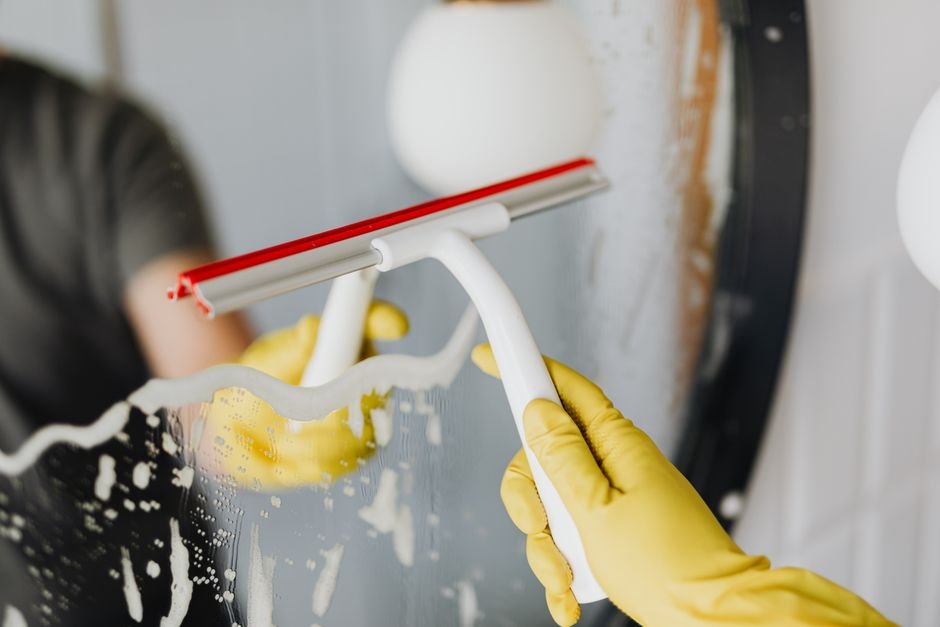
It’s important to ensure all the windows are clean. Often missed, but essential—smudged or dirty windows can significantly impact the perceived cleanliness of a property. Using streak-free cleaning solutions can make them crystal clear and elevate the property’s overall appeal.
Aside from cleanliness, inspect the condition of appliances like the oven or fridge. Tenants often forget internal cleaning unless explicitly stated. According to Gov.uk advice, all appliances should appear in the condition they were initially found in, to meet deposit return standards.
Frequently Asked Questions
What is included in an end of tenancy clean?
An end of tenancy clean typically includes deep cleaning of all rooms, sanitising the kitchen and bathroom, cleaning carpets, and wiping down all surfaces. It’s important to check your rental agreement as some landlords might have specific requirements.
Do landlords require professional cleaning?
Many landlords prefer professional cleaning to ensure the property meets expected standards for new tenants. Always check your lease agreement. According to Citizens Advice, disputes often occur over the cleaning state at the tenancy’s end.
How can I get my deposit back?
Ensure the property is cleaned to a high standard, addressing all areas outlined in your tenancy agreement. Keep records or receipts of any professional services used. The UK government provides guidance on deposit protection schemes.
Can I perform the cleaning myself?
Yes, as long as the cleaning meets the standards required by your landlord. DIY cleaning is more cost-effective, but ensure you have adequate time and supplies to get the job done thoroughly.
What are common mistakes to avoid?
Common mistakes include neglecting to clean inside appliances, missing spots like skirting boards, and rushing the job. Address these areas to avoid deductions from your deposit.
Author credibility: With years of experience in property management, the author has seen firsthand the importance of proper end-of-tenancy cleaning for landlords and tenants alike.
Final Thoughts
When it comes to end of tenancy cleaning mistakes, three key points stand out: thoroughly understand your agreement, don’t skip small details, and decide early whether professional help is necessary. An organised approach prevents disputes and ensures a positive move-out experience.
For your next steps, review your tenancy contract carefully and plan your cleaning tasks to meet expectations. Consider a checklist to ensure nothing’s overlooked.
For further advice on tenant rights and responsibilities, explore resources from Which?.UK government.
access points, and Citizens Advice Bureau. These resources can guide you through the process of ending a tenancy smoothly and in compliance with local laws.
📚 You May Also Like
References
- [1] Gov.uk — https://www.gov.uk/tenancy-deposit-protection/overview
- [2] use complementary cleaning agents — https://www.which.co.uk/reviews/cleaning-products/article/guides
- [3] HSE guidelines — https://www.hse.gov.uk/construction/healthrisks/carpets.htm
- [4] Gov.uk advice — https://www.gov.uk/government/publications/how-to-rent/how-to-rent-a-checklist-for-renting-in-england
- [5] Citizens Advice — https://www.citizensadvice.org.uk/housing/renting-a-home/payments-for-your-home/what-fees-and-charges-you-can-expect-to-pay-when-renting
- [6] UK government — https://www.gov.uk/tenancy-deposit-protection
- [7] Which? — https://www.which.co.uk/consumer-rights/home
- [8] UK government — https://www.gov.uk/private-renting