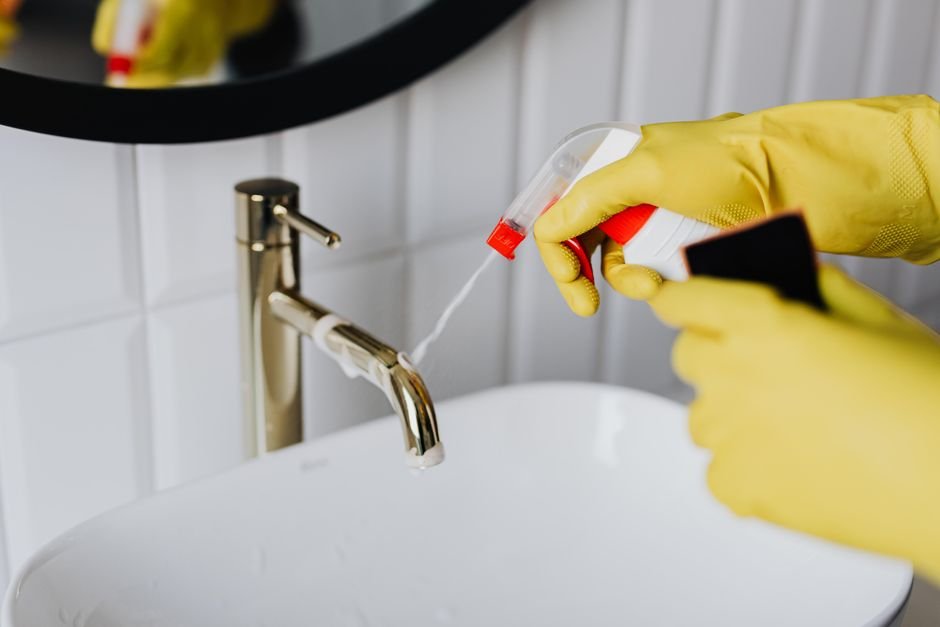
End of tenancy cleaning requirements can be a real headache for tenants. Most renters struggle to navigate the various rules and expectations landlords have. This guide will help you break down the essentials, making that moving day stress a little lighter.
Quick answer: End of tenancy cleaning requirements demand that tenants thoroughly clean all areas of the property, including kitchens, bathrooms, carpets, and windows, to ensure the return of the full deposit. Check your tenancy agreement for specifics and consider professional cleaning services for challenging tasks.
You can find more helpful resources on endoftenancycleaningserviceglenrothes.com.
Key Takeaways
- Read your tenancy agreement carefully.
- Spotless cleaning can ensure deposit return.
- Focus on kitchens and bathrooms.
- Document the condition of the property.
- Consider the pros and cons of hiring professionals.
End of Tenancy Cleaning Requirements: Essential Steps
To meet end of tenancy cleaning requirements, tenants must ensure every inch of the property is spotless, from carpets to cupboards. Failing to do so might mean landlords keeping part or all of your deposit. The process involves a deep clean that goes beyond regular household chores.
End of tenancy cleaning calls for thoroughness. You should focus on the high-traffic areas like bathrooms and kitchens, where grime and dirt accumulate the most. Don’t overlook hidden spots like behind the sofa or under the bed. Treat it like preparing for an inspection because, quite likely, one is coming.
Most landlords include a clause specifying cleaning duties in the tenancy agreement. Unsurprisingly, there’s often some ambiguity — what’s “reasonable wear and tear” versus neglectful dirtiness? Check your agreement and consider reaching out to your landlord or letting agent to clarify expectations. According to [Citizens Advice](https://www.citizensadvice.org.uk/housing/renting-a-home/subletting-and-lodging/deposit-protection-schemes/#h-terms-on-return-of-deposits) (2023), clearly defined responsibilities can prevent disputes down the line.
Imagine this: You’ve scrubbed floors, wiped windows, and mopped tiles. You step back, realising you’ve overlooked the extractor fan or skirtings. Such details can make or break the landlord’s perception. Even if you’re confident, having a checklist can help ensure nothing’s missed. In the UK’s rental sector, disputes often centre on cleaning disagreements, emphasising the need for detail.
Keep your cleaning supplies organised. A ready-to-use kit can include all-purpose cleaner, microfibre cloths, and a decent vacuum with hose attachments. Tackle the toughest areas first — usually, the kitchen appliances and bathroom grout demand significant elbow grease.
What do landlords expect from end of tenancy cleaning?
Landlords generally expect tenants to leave their rental properties in pristine condition at the end of a tenancy. This means thorough cleaning, covering every nook and cranny, ensuring the property mirrors the condition it was in when first rented. Failure to meet these expectations can result in deductions from your deposit, often governed by dispute resolution services.
Cleaning requirements might be detailed in your tenancy agreement, but landlords typically expect all carpets to be vacuumed or professionally cleaned, kitchens and bathrooms scrubbed, and any trash or personal items removed. They might also require windows to be cleaned both inside and out if accessible. Landlords have a keen eye for detail, so leaving a single area untended can jeopardise your deposit. As noted by the Citizens Advice, tenants have a right to a thorough inspection before any deductions are made.
A common area where landlords often find fault is the kitchen. Ovens, in particular, are hotspots for arguments. Cleaning such an appliance can become daunting, often requiring strong chemicals to remove baked-on grease and grime. Tenants might believe a quick wipe down suffices, but landlords expect more. Consider hiring a professional for such challenging tasks to ensure results match landlord expectations.
For a practical approach, start with a checklist. Walkthrough each room, discerning what needs doing. Lists provide structure and reduce stress, ensuring nothing is overlooked. Clean from top to bottom, tackling cobwebs and dusting before vacuuming and mopping. Many professional cleaners use this method to ensure every detail is addressed.
According to a study by the Which? consumer group, 45% of tenants reportedly lost part or all of their deposit due to inadequate cleaning. To avoid becoming part of this statistic, diligence is indispensable. Always check with your landlord or letting agent if unsure about specific requirements in your lease.
“End of tenancy cleaning sets the tone for the landlord-tenant relationship moving forward. Ensuring all requirements are met can pave the way for a stress-free departure.”
Can you conduct end of tenancy cleaning yourself, or should you hire a pro?
You can undertake end of tenancy cleaning yourself or hire a professional service. DIY cleaning saves money but demands time, effort, and a knack for detail. Professional cleaners ensure a thorough job and often guarantee your deposit return.
If you’re contemplating doing it yourself, be realistic about your time and abilities. Cleaning takes more than a few hours and requires a variety of supplies. To ensure compliance with landlord expectations, consider getting a steam cleaner for carpets and strong, non-abrasive cleaners for kitchens and bathrooms. For many, it becomes a daunting task especially when juggling work and a move, which leads them to reconsider professional services.
Professional cleaning, on the other hand, may seem costly upfront, but they do come with assortment advantages. Their team saves you time and uses industrial equipment and cleaners. Most importantly, if your landlord disputes the cleanliness, these companies often return to rectify any problems. According to Money Saving Expert, securing a professional receipt can be beneficial in disputes over deposits.
As an example, consider a tenant with a full-time job and a tight moving schedule. Tackling end of tenancy cleaning might be overwhelming, leading to missed spots or rushed jobs. Hiring a cleaner ensures every corner is attended to, lessening stress significantly. Always weigh the cost of professionals against your potential deposit deduction.
The decision often comes down to a trade-off between cost and convenience. If you’ve got the time and attention to detail, DIY may be the way. If you’re strapped for time, or the thought of scrubbing ovens again has you hiding, give a professional a call. Always get a quote and compare prices—and don’t forget to check reviews to ensure you choose a reputable service.
In practice, rushing the cleaning process often results in missed areas, leading to a greater likelihood of deposit reductions. Taking your time, or leaving it to the pros, can often be the wiser choice.
How do you handle disputes over end of tenancy cleaning?
Handling disputes over end of tenancy cleaning requires clear communication, evidence, and sometimes third-party intervention. Start by discussing concerns with the landlord, providing evidence of cleaning activities if needed, and proceed to dispute resolution if necessary.
First, ensure you document your cleaning process. Take photos before and after cleaning each room. Retain all receipts for professional services engaged. This documentation serves as evidence should a dispute arise. Landlords and tenants often have differing views of cleanliness, so having unbiased evidence can be a real lifesaver.
If your landlord challenges the state of cleanliness despite your efforts, initiate a polite discussion. Explain what measures you took and offer to show photographs or receipts. Sometimes landlords have exaggerated expectations. A calm conversation can often resolve issues without escalating further. However, if this doesn’t lead to an amicable conclusion, you may need to take additional steps.
When it escalates, dispute services can mediate. Most UK tenancy agreements fall under the protection of a deposit scheme. These schemes offer free resolution services to tenants and landlords. According to the UK Government, your landlord must register your deposit within such a scheme. Familiarise yourself with their processes. They can review evidence and make a binding decision on disputes.
Consider Jane, a tenant who meticulously cleaned her flat but faced a landlord still unsatisfied. She contacted her deposit protection scheme, presenting photographs and a receipt from her cleaning service. The scheme, siding with Jane, ensured she received the full return of her deposit. Preparation and documentation are key in such cases.
The best way to prepare for potential disputes is proactive—being organised and communicative throughout your tenancy secures your interests. Don’t leave everything to the last minute. Start cleaning early and keep your paperwork in order. That way, if disagreements surface, you’re already prepared to protect your deposit claim.
In practice, tenants often overlook documenting minor details, like ensuring receipt and invoices are in the original condition. Careful preparation can prevent disputes and save you a lot of trouble.
Frequently Asked Questions
What is included in an end of tenancy clean?
An end of tenancy clean usually covers all rooms, fixtures, and appliances. This includes cleaning floors, carpets, windows, kitchens, bathrooms, and removing all dust and grime. Deep cleaning items like ovens, fridges, and inside cupboards is critical to leave the property spotless. Citizens Advice offers guidance on renters’ obligations.
Can I clean the property myself?
Yes, you can certainly clean the property yourself. If you choose DIY cleaning, ensure you reach every corner and adhere to any specific cleaning checklist provided by your landlord. It can save money but requires time and effort.
Do I have to hire a professional cleaning service?
Hiring a professional service isn’t mandatory, but it can be advantageous. Professionals ensure thorough cleaning according to tenancy agreements, which often guarantees the return of your deposit. For more on deposit rules, check out Gov.uk’s tenancy deposit protection.
What if my landlord isn’t satisfied with the clean?
If your landlord is unhappy, they might hire a cleaning service and deduct the cost from your deposit. Always document your cleaning efforts with photos to contest any unfair claims. Reasonable wear and tear cannot be deducted, so use this understanding to your advantage.
What should I do if I disagree with deductions from my deposit?
If you disagree with the deductions, raise the issue with your landlord first. If unresolved, seek help from the relevant deposit protection scheme or consult Citizens Advice for further support.
Author credibility: With years of experience in property management and a deep understanding of tenancy regulations, the author knows the ins and outs of end of tenancy cleaning requirements.
Final Thoughts
Meeting the end of tenancy cleaning requirements is essential for getting your deposit back without hassle. Ensure you clean appliances thoroughly, consider professional services for peace of mind, and document your cleaning. If you’re planning a move soon, start early with a detailed checklist to avoid any last-minute rush.
When preparing for an end of tenancy clean, evaluate whether a DIY approach or hiring a professional service is best for your situation. Time and quality of clean should be your guiding factors.
Remember, an immaculate property not only secures your deposit but also maintains good relations with your landlord and ensures a smoother transition for the next tenant.
Additionally, when cleaning, don’t overlook less obvious areas such as skirting boards, light fittings, and behind large furniture, as these spots are often checked during inspections. If possible, compare the property’s current state with any photos or inventories taken at the start of the tenancy to ensure all required areas are addressed.
By adhering to these guidelines, you can help ensure a hassle-free handover and potentially receive a full return of your deposit. Plan and execute your cleaning thoroughly to leave on good terms and with peace of mind.
📚 You May Also Like
References
- [1] Citizens Advice — https://www.citizensadvice.org.uk/housing/renting-privately/during-your-tenancy/deductions-from-your-tenancy-deposit/
- [2] Which? — https://www.which.co.uk/reviews/moving-services/article/cleaning-your-home-before-moving-out-aYCQw3G9YsFG
- [3] Money Saving Expert — https://www.moneysavingexpert.com/move-it/tenancy-reference/
- [4] UK Government — https://www.gov.uk/tenancy-deposit-protection
- [5] Citizens Advice — https://www.citizensadvice.org.uk/housing/renting-a-home/subletting-and-lodging/your-rights-and-obligations


