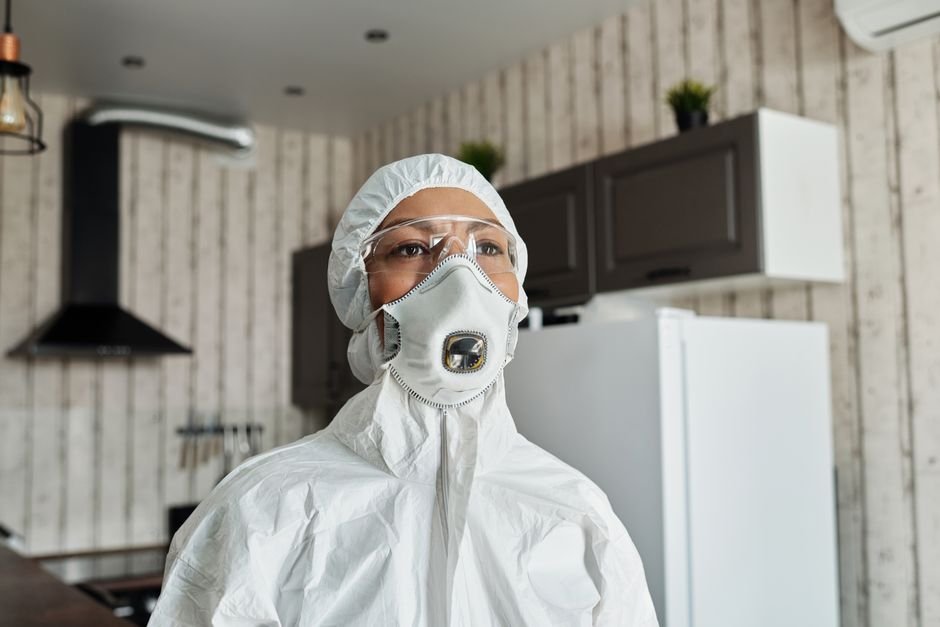
End of tenancy professional cleaning is vital for ensuring your rental property is left in pristine condition. You’re likely concerned about the potential costs and the detailed cleaning tasks involved. This article provides a step-by-step guide to help you tackle the cleaning efficiently and maximise your deposit return.
Quick answer: End of tenancy professional cleaning involves deep-cleaning all areas of the rental property, such as kitchens, bathrooms, and carpets, ensuring they meet the landlord’s standards for re-letting. Focus on removing limescale, cleaning grout, and freshening upholstery to prevent deductions from your deposit.
You can find more helpful resources on endoftenancycleaningserviceglenrothes.com.
Key Takeaways
- Clean to landlord’s standards
- Focus on specific areas
- Ensure deposit return
- Consider professional help
- Use appropriate cleaning products
End of Tenancy Professional Cleaning: What It Involves
End of tenancy professional cleaning is a comprehensive cleaning process aiming to restore the rental property to its original state. It involves deep-cleaning all rooms, ensuring the house is spotless and ready for the next tenant. The process covers everything from carpets to the corners of the kitchen cabinets.
Why is this cleaning necessary? Landlords expect properties to be returned in the condition they were leased. If cleanliness doesn’t match the initial state, you risk losing part or all of your deposit. Your landlord or letting agent—often guided by thorough inventories—will check all aspects. They consider the condition of upholstery, walls, and even the garden.
Successfully completing this type of cleaning often requires more than typical weekly tidying. You need to focus on hidden areas such as skirting boards, behind large furniture, and inside ovens. According to Citizens Advice, tenants frequently face disputes over cleaning. Many fail to attend to details like limescale on taps or stained carpets, which become sticking points in deposit negotiations.
A practical example might involve tackling the bathroom. You’d need to scrub grouting to ensure it’s free of mould and mildew, a common issue in humid areas. Attention to such specifics could save you from claims against your deposit. Target these commonly overlooked spots to avoid unpleasant surprises.
So, what’s the best strategy? Start early and work in sections—kitchens take time, but can be dealt with over days if you plan. Use appropriate tools: a steam cleaner can refresh carpets, while a damp cloth reaches dust in tricky spots. Don’t forget the power of good-quality cleaning products. They make a marked difference, often cutting your cleaning time dramatically.
Why Is End of Tenancy Cleaning Important?
End of tenancy cleaning is crucial to ensure you receive your full deposit back. Landlords and letting agents hold tenants to high cleanliness standards, often detailed in the lease. Proper cleaning prevents unwanted deductions and eases the transition for the next occupant.
The importance of high standards can’t be overstated. Most tenancy contracts contain clauses regarding the state of cleanliness. According to the UK Government website, landlords can rightfully claim deposit money if cleaning is inadequate. Failure here might lead to disputes or even court proceedings. Experience tells us such legal tangles are best avoided.
But why all this fuss? It’s largely about protecting property investment. For landlords, maintaining a high standard ensures their property stays in good condition, remaining attractive to potential tenants. Tenants face this pressure at lease end, knowing an unclean flat might mean extra bills.
Consider a tenant in a three-bedroom town house. They might diligently clean bathrooms and mop the floors, but overlook window sills or outdoor areas. These omissions could result in deductions. An experienced tenant prepares meticulously, following a checklist that includes cleaning gutters and trimming shrubs if the property has a garden.
What about the lesser-known benefits? Addressing cleaning early minimises stress. Cleaning supplies can be costly, and leaving jobs till the last minute might mean expensive emergency services. Many in the UK recommend sourcing eco-friendly products. They provide peace of mind if children or pets are involved. They’re also less likely to damage surfaces, further protecting deposits.
How to Carry Out Professional Cleaning Effectively
Achieving professional cleaning results involves methodically approaching each task. Focus on one room at a time, ensuring nothing is overlooked. The right tools make heavy work easier, and specific techniques target persistent dirt or stains.
Preparation is your key ally. Allocate a weekend to tackle tenancy cleaning — without disturbance, it can be surprisingly quick. Approach tasks with a strategic plan. Tackle larger areas first, then move to smaller details. Make use of online checklists to ensure you don’t miss a thing. Often, industry guides highlight common pitfalls: corners, high ledges, and the tops of wardrobes.
Why bother with this detail? It pays off in pounds and pence. According to Which?, basic cleaning oversights could cost tenants an average of £100 from their deposit. Besides money, investing in proper cleaning habits becomes a long-term gain for cleanliness standards in any future home.
What about advice from seasoned tenants? One seasoned tenant had to recover from a similar scenario. They tackled each room by theme: kitchen, living room, bedrooms, one day at a time. By concentrating efforts and reviewing their inventory checklist, reclaiming their full deposit wasn’t just a wishful thought. It became a reality.
Professional hygiene products work wonders. Strong, yet suitable for domestic use, they erase dirt normal home products can’t. Don’t be tempted to cut corners here. Effective cleaners often double as preventatives — ensuring lingering odours or quick re-soiling aren’t problems you face. Prepare well, and reap the rewards in satisfaction and financial return.
How to Prepare for End of Tenancy Cleaning
Proper preparation is vital for effective end of tenancy cleaning. Begin by decluttering the space, making it easier to clean. Next, make a checklist to ensure you don’t overlook any areas. Being systematic will save time and effort, leading to a more thorough result. This approach not only streamlines the cleaning process but also helps in identifying what areas need special attention.
Preparation is about understanding what needs to be cleaned. Start by going through each room and noting key tasks. In the kitchen, appliances like the oven require deeper cleaning. Bathrooms, especially tiles and grouting, need a good scrub. Living areas may seem straightforward, but check for wall marks and clean behind furniture. A thorough walk-through highlights areas easily missed.
Next, stock up on suitable cleaning supplies. The right products make a significant difference. Make sure you’ve got multi-purpose cleaners, oven degreasers, and lime scale removers for the bathroom. Microfibre cloths work marvels for surfaces, picking up dust and leaving streak-free finishes. It’s frustrating to start scrubbing only to realise halfway you’re missing a critical cleaning agent.
Don’t forget timing. Dedicate a day – or a weekend – to cleaning. If you’re managing a large property, consider enlisting help. According to MoneySavingExpert, spreading tasks over one or two days can help maintain energy levels, ensuring thoroughness without burnout. Completing these steps helps in delivering a clean property that meets landlord expectations.
If you’re uncertain about tackling it alone, you might consider hiring professional help. Many struggle with the idea of handing control to others, fearing they might not meet personal standards. But professionals offer experience and expertise, often turning a challenging job into a seamless process. Consider professional cleaning as a safety net for those unconfident about their skills.
In practice, many people make the mistake of starting the cleaning process before adequately organising their belongings. This oversight can lead to double work if areas need re-cleaning after packing is complete.
What Are the Benefits of Professional Cleaning Services?
Opting for professional cleaning services can save time and ensure a property is returned in top condition. With expert knowledge and equipment, professionals tackle tasks that might otherwise seem daunting. This choice can alleviate stress, particularly when juggling moving responsibilities. Their expertise turns potentially gruelling chores into manageable tasks, leaving spaces spotless and ready for the next tenant.
One significant benefit is the assurance of a job well done. Professionals know precisely what landlords look for. Equipped with industrial-grade tools, they tackle stubborn stains and reach areas often overlooked. Their familiarity with end of tenancy checklists ensures no nook or cranny is ignored. Handing the task to someone skilled means fewer headaches for you, especially if time is tight.
Moreover, consider the cost of doing it yourself. Initially, it might seem cheaper to do it yourself. But when tallying up the hours spent, the cleaning materials purchased, and potential re-dos to meet standards, costs add up. Professional services often offer set packages that cater to typical landlord requirements. This coverage ensures your deposit remains intact.
Hiring professionals can also mitigate disputes. According to Citizens Advice, disputes over cleanliness are a common reason for rental deposit deductions. Employing a recognised cleaning service usually includes a receipt or work record reassuring landlords everything’s shipshape. This measure can protect your pocket if disputes do arise.
Real-life example: Sally needed to move out with time constraints due to a new job. Finding local cleaners skilled in end of tenancy services allowed her peace of mind amidst the chaos of packing. Even though it entailed a cost, the preserved time and energy, along with securing her deposit, proved invaluable.
A professional cleaner once commented, “The thoroughness of our service is what sets us apart from a casual clean — we have the specifications that landlords expect from an end-of-tenancy clean.”
What to Do If Professional Cleaning Doesn’t Meet Expectations?
If professional cleaning services fall short of expectations, take immediate action to address the issue. The first step is communication. Contact the cleaning company and express concerns clearly. Most services will rectify substandard jobs without additional charge. It’s vital to understand service guarantees ahead of hiring, setting clear expectations from the start.
An unsatisfactory clean might stem from misunderstandings about what’s included in the service. Many companies offer different packages, and what’s pristine in one might not be in another’s definition. Thoroughly review terms agreed upon with the service provider. Clear conversations pre-cleaning can preempt potential grievances. Transparency avoids confusion post-clean.
Should communication with the service provider fail, document everything. Take pictures of problem areas to objectively present your case. Jot down dates, times, and specific conversations you’ve had with the company. This documentation will assist in seeking advice or making claims. Always ensure initial agreements are in writing for easy reference.
For disputes requiring further action, consider turning to local consumer bodies. The Which? consumer rights page offers pathways for such grievances, emphasizing your rights under UK consumer laws. Armed with a well-documented case, seeking resolution becomes less daunting.
People often expect an immediate fix, assuming dissatisfaction is rare. However, routine hiccups happen in all industries. A proactive approach, detailing exact expectations upfront and documenting issues, gives leverage if the service misses the mark. Learning from others’ experiences, detailed online in reviews and forums, also sharpens your awareness of things to watch for.
In practice, customers sometimes fail to read service contracts thoroughly, leading to mismatched expectations and dissatisfaction when services don’t align with assumptions.
Frequently Asked Questions
What is included in an end of tenancy professional cleaning service?
An end of tenancy professional cleaning service generally includes thorough cleaning of all rooms, appliances, and fittings. It often entails cleaning cabinets, floors, carpets, skirting boards, bathrooms, and kitchens. Some providers also offer additional services, such as cleaning the exterior windows or garden, but these are typically at an extra cost. Check with your chosen service for exact coverage.
Do tenants need to be present during the cleaning?
Tenants don’t usually need to be present during the cleaning. Most cleaning companies operate independently once they have access to the property. However, being available at the end to inspect and confirm that everything meets expectations can be beneficial and provide peace of mind.
How long does a typical end of tenancy cleaning take?
The duration of an end of tenancy cleaning depends on the size and condition of the property. A typical small flat may take two to four hours, whereas larger homes can require a full day or more. It’s a good idea to discuss your property specifics with the cleaning service to get an accurate estimate.
Who pays for the end of tenancy cleaning?
Responsibility for the cost often falls to tenants, especially if it’s required to secure a full deposit return. However, in some lease agreements, the landlord might cover it. Always check your tenancy agreement to understand who is liable for cleaning costs upon moving out.
Can I do the end of tenancy cleaning myself?
You can self-clean a property at the end of your tenancy if you prefer to save on costs. But ensure it meets the standards required by letting agents or landlords, as failing to do so might affect your deposit return. Professional services typically offer a higher assurance of quality and thoroughness.
As an experienced professional in property management, I understand the critical importance of a thorough end of tenancy professional cleaning in ensuring deposit returns without disputes.
Final Thoughts
End of tenancy professional cleaning is vital to secure your deposit return. Three key points: confirm service details before booking, ensure thorough cleaning of all key areas, and clarify who bears the cost.
For your next step, check with your letting agent or landlord about specific cleaning expectations to avoid any potential misunderstandings. For more information on tenant rights, visit Citizens Advice. You may also find helpful guidance at Which? on tenant responsibilities.
- Do I need professional cleaning? While not always legally required, professional cleaning can help ensure you meet the standards expected by landlords, possibly preventing disputes over your deposit.
- How much does it cost? Prices can vary widely depending on the size of the property and the extent of cleaning needed. It’s advisable to get several quotes to find competitive rates.
- When should I book? It’s a good idea to schedule your cleaning near your move-out date but allow some time to address any unexpected cleaning issues that might arise.
📚 You May Also Like
References
- [1] Citizens Advice — https://www.citizensadvice.org.uk/housing/moving-and-improving-your-home/if-youre-leaving-a-tenancy/
- [2] UK Government website — https://www.gov.uk/renting-out-a-property/doing-renting-out-right
- [3] Which? — https://www.which.co.uk/advice/cleaning-scams-and-how-to-avoid-them-a8fzz0f4cZc8
- [4] Citizens Advice — https://www.citizensadvice.org.uk/housing/
- [5] Which? — https://www.which.co.uk/consumer-rights
- [6] Citizens Advice — https://www.citizensadvice.org.uk/housing/renting-a-home/tenants-rights-and-responsibilities
- [7] Which? — https://www.which.co.uk/consumer-rights/advice/i-am-a-tenant-what-are-my-rights-ahEg87k1iYaq


