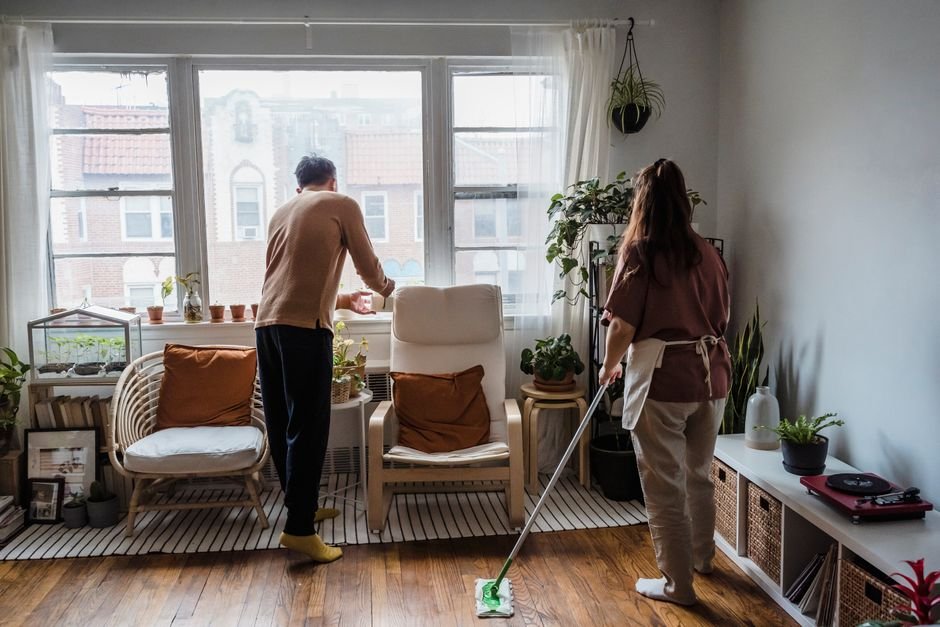
House cleaning after tenants can be a daunting task, especially when the property seems to have been lived in by the messiest tenants ever. You’ve got the challenge of tackling stains, grime, and maybe some questionable smells, always wondering if you’ll get the property back to its sparkling best. But don’t worry, we’re here to guide you step-by-step through the process, ensuring you leave the place spotless and ready for the next tenant or sale.
Quick answer: House cleaning after tenants involves thorough cleaning of all areas, starting with decluttering, followed by dusting, vacuuming, and scrubbing surfaces. Focus on kitchens and bathrooms, as these typically need the most attention. Use quality cleaning products and equipment to ensure the highest standards.
You can find more helpful resources on endoftenancycleaningserviceglenrothes.com.
Key Takeaways
- Start with decluttering and dusting
- Focus on kitchens and bathrooms
- Use reliable cleaning products
- Don’t skip vacuuming carpets
- Ensure windows and mirrors are streak-free
House Cleaning After Tenants: Getting Started
House cleaning after tenants starts with a comprehensive plan. Begin by assessing the property’s condition, noting any particular problem areas such as stubborn stains or damaged surfaces. Once you’ve got a clear view of the tasks ahead, it’s crucial to organise your cleaning tasks room-by-room. You can’t tackle everything at once, so prioritise areas in most need of attention, such as the kitchen and bathroom.
Early on, you’ll realise that preparation is half the battle. Having a checklist helps you remember even the smallest details that need your attention. According to the NHS cleaning guidelines, high-touch surfaces like door handles, light switches, and remote controls need frequent disinfecting to reduce the spread of germs. Keeping these guidelines in mind ensures you’re not only cleaning but also sanitising the living space effectively.
For a more efficient house cleaning after tenants, gather all necessary supplies beforehand. High-quality microfibre cloths, multipurpose cleaner, glass cleaner, and a vacuum with HEPA filters are a must. Industry practice suggests that using the right tools makes the job quicker and more effective, as dirt and dust are less likely to settle back onto the cleaned surfaces. Ensure you dispose of any rubbish before starting — it’ll make the space look more manageable, which is often the toughest hurdle.
Consider a property you recently helped to clean after tenants moved out. The kitchen was such a mess it seemed like no one had touched it since the dawn of time. Stains on the countertops, an oven that looked like it had seen the battle of Hastings, not to mention a fridge with smells you wouldn’t wish on your worst enemy. Using a structured approach, you tackled each area bit by bit, ensuring no nook or cranny remained uncleaned. Cleaning up seems daunting, but when it’s broken down into manageable tasks, it’s entirely feasible.
It’s essential to remember that every property is different, and house cleaning after tenants can vary widely in scope and detail. Some properties might only need a light dusting and vacuuming, while others require a deep clean. Your approach should adapt based on the property’s current condition. And don’t forget to plan for the unexpected. It could be anything from needing extra supplies to finding that the vacuum cleaner just doesn’t work.
What Materials and Tools Do You Need?
Cleaning a house after tenants have vacated requires specific materials and tools to ensure thoroughness. At the core, you’ll need effective cleaning agents, brushes for hard-to-reach places, and robust vacuum cleaners. Having the right gear not only speeds up the process but also ensures a more satisfactory result for both landlords and future tenants.
Before you start cleaning, make a list of all the tools and materials you need. Think about specific areas; for example, the oven will likely need a heavy-duty cleaner, while windows might just require a good quality glass spray. According to Which?, higher-rated cleaning products can often tackle household dirt more efficiently, saving you time and effort. Having everything you need before starting means fewer interruptions, allowing you to focus entirely on the task at hand.
Beyond just buying the cleaning agents themselves, consider investing in some hardware. A vacuum cleaner with HEPA filters is invaluable for allergens, and a steam cleaner might prove essential for getting rid of deep-seated grime. Quality mop buckets, microfibre pads, and reusable gloves often pay for themselves with prolonged use, creating not just a clean space, but a healthier one too.
Imagine tackling a property where previous tenants made regular use of fry-ups. Grease stains were everywhere, and regular products weren’t cutting the mustard. But with a quality degreaser and sturdy scrubbing brush, the difference was night and day. The same applies to bathrooms where scale and mildew are stubbornly clinging to every surface. Proper brushes and a little elbow grease made the tiles resemble those from a home improvement show.
It’s tempting to cut corners when property cleaning but doing so can lead to wasted time and poor results. The right tools ensure you avoid long-drawn processes by making each task as efficient as possible. Planning and preparation can’t be overstated. They’re what convert an overwhelming task into a manageable routine job. If you’re unsure where to source materials, many professionals in the trade recommend local hardware stores or wholesale retailers for competitive prices.
Tackling Challenging Areas: Kitchens and Bathrooms
The kitchen and bathroom are usually the most challenging parts of a house cleaning after tenants have left. These areas require special attention because they tend to accumulate the most dirt, grease, and bacteria. A focused cleaning approach will tackle everything from the grout between shower tiles to the lingering odours in the fridge.
Initially, these rooms might seem overwhelming, especially if the tenants haven’t been too diligent with their upkeep. The kitchen could sport stubborn grease stains, while the bathroom might have limescale deposits. According to guidance from NHS, disinfecting surfaces effectively helps ensure they aren’t just clean to the eye but also free of harmful microorganisms. Ensuring this level of cleanliness is not just about appearance; it’s about health, too.
In the kitchen, focus on surfaces that see the most action. Countertops, stovetops, and sinks need degreasing agents. The oven often needs a deep clean, requiring specific oven cleaning products. As you move to the bathroom, materials like bleach and tile scrubbing brushes become imperative. You might need to let cleaning products sit on certain surfaces to allow them to work effectively. Multiple applications aren’t uncommon, especially with persistent grime.
Consider a recent situation where you had to clean a student property. The tenants loved hosting parties, but not cleaning up afterward. Sticky floors, food residue, and grimy bathroom surfaces were common. With patience and perseverance, supported by effective cleaning products, you tackled each corner. Implementing a methodical strategy — top to bottom, least to more soiled areas — transformed these spaces. By strategically using products and allowing dwell time, you saw remarkable results.
Different surfaces demand different treatments. Ensure you read cleaning product labels for appropriate use to avoid damage. For instance, bleach might work wonders in a porcelain sink but can ruin wooden counters. Also, remember to ventilate these areas well. Cleaning agents can produce strong odours that linger. Fresh air prevents this and aids in drying, leaving rooms smelling fresh, not chemical. Armed with the right tools and approaches, you’ll feel satisfaction as these spaces start sparkling under your care.
What should be included in a tenant move-out cleaning?
The cleaning should cover all rooms and include tasks such as vacuuming and mopping floors, dusting surfaces, and cleaning bathrooms and kitchens thoroughly. Pay attention to details like the interior of cabinets, windows, and baseboards. It is also advisable to check the lease agreement for any specific cleaning requirements the landlord or letting agent might have listed to ensure full compliance.
How can I remove tough stains on carpets left by tenants?
For tough carpet stains, consider using a commercial carpet cleaner specifically designed for stain removal. Blot the stain with a clean cloth and the cleaning solution rather than rubbing it, which can spread the stain further. For persistent marks, creating a paste of baking soda and water or using white vinegar can be effective. If these methods don’t work, a professional carpet cleaning service might be necessary.
Can I charge tenants for cleaning costs?
Landlords can charge tenants for cleaning costs if the tenant leaves the rental property in a state beyond normal wear and tear. Documenting the condition of the property with photos when the tenant moves in and out can provide a clear comparison. However, deductions from the deposit must comply with local regulations or tenancy agreements, so it’s important to familiarise yourself with these rules before proceeding.
How do I deal with lingering smells after tenants move out?
Lingering smells can often be addressed by thoroughly cleaning the property and increasing ventilation. Use air purifiers or odour neutralisers to tackle stubborn odours. Check fabrics and porous surfaces like carpets and curtains, as they can retain smells and might need professional cleaning. If the odours persist, investigating the source of the smell is crucial—sometimes, repairs could be needed if the issue is structural or related to plumbing.
What tools and cleaning products do I need for an end-of-tenancy clean?
Essential tools include a vacuum cleaner, mop, scrub brushes, and microfibre cloths. Cleaning products should cover multi-surface cleaners, a reliable degreaser for kitchens, bathroom cleaning solutions, glass cleaner, and a floor-specific cleaner depending on the flooring type. Having specific stain removers for carpets and upholstery can also be beneficial. Don’t forget safety equipment like gloves and masks when handling harsh chemical cleaners.
What Should You Do Before You Begin Cleaning?
Before diving into the cleaning frenzy after tenants vacate, a little prep work can make all the difference. Start with an assessment of the entire property, noting areas that need extra attention or repairs. Clear out any leftover items, and check for maintenance issues like leaky taps or broken fixtures. This groundwork ensures you’re not just cleaning around problems but setting the stage for thorough, efficient work.
A full walkthrough is crucial. You’re not just looking for dirt and grime but also for any potential damage or wear and tear. Start in the entryway and move systematically through the house, checking cupboards, drawers, and even under sinks. Anything left behind by tenants, especially perishables, should be binned immediately. It helps to keep a checklist as you assess. It’s a productivity booster because you won’t revisit areas unnecessarily.
For instance, let’s say you’re dealing with a three-bedroom flat. You might find food remnants in kitchen corners, forgotten clothes in wardrobes, or even stains on the carpet. Making a note of such specifics allows you to tailor your cleaning approach. Let’s face it, certain aged stains or odours need different cleaning agents or even professional services. Keeping track of these can save time and reduce frustration down the line.
Having the right cleaning supplies ready at hand is another critical step. Stock up on essentials like multi-surface cleaners, disinfectants, sponges, and rubber gloves. But don’t go overboard with exotic products. The basics usually do the trick unless you encounter specific stains. You might need a steam cleaner for carpets or specific solvents for tough marks. Remember, preparation keeps stress levels down and efficiency up.
According to Which?, choosing the right cleaning products can save both time and money. Most UK households rely on a mix of bleach, multipurpose cleaner, and a decent vacuum. Rushing into cleaning without first assessing the situation often leads to overlooked tasks or inefficient cleaning.
One expert tip is to prioritise high-traffic areas like hallways and kitchens, where dirt usually accumulates and can be the most visible to future tenants.
How to Make the Most Impact with Limited Time?
Sometimes time’s not on your side when tenants leave. To maximise impact with limited time, prioritise areas that make the biggest visual and functional difference: kitchens, bathrooms, and living spaces. Clean these high-impact zones thoroughly and swiftly to keep the property appealing to prospective tenants. Speedy yet effective cleaning relies on smart prioritisation and a little technique know-how.
Kitchens and bathrooms should always be top of your list. Potential tenants will scrutinise these areas the most. Grease can build up quickly in kitchens, so be ready with a strong degreaser. In bathrooms, lime scale and mould can be major off-putters — a good bleach solution tackles these effortlessly. It’s best to attack stubborn stains early, because letting them sit only makes them more difficult to deal with later.
Imagine you’ve got a last-minute viewing and only an afternoon to spare. Focus first on visible dirt and untidiness. Quick wiping of surfaces, a vacuum for carpets, and a mop for hardwood floors can work wonders in transforming a room’s appearance. In the bathroom, a good scrub of visible fixtures like the sink and toilet can leave a lasting impression. These areas often define the overall perception of cleanliness.
A strikingly clean entryway sets a welcoming first impression. Declutter the hall, then dust and wipe surfaces. Fresh smells work wonders — consider a subtle air freshener after cleaning. It’s a small gesture but one that associates the space with a sense of invigoration. Everything else flows smoother from here on in. Clearing clutter opens up the space, literally and psychologically. Prospective renters instinctively picture their own items in a fresh, open canvas.
According to the Citizens Advice, landlords should ensure appliances and fixtures are checked before new tenants move in. Efficiency in cleaning stems not just from speed but from focusing on aspects that make the highest visual impact. Organise your tasks by room importance.
In practice, overlooking corners and less accessible areas is a common mistake. Dust and cobwebs aren’t just unsightly, they can lead to allergic reactions and give the impression of neglect. Tackling these spots pays dividends in the long run.
What Are the Best Tips for Deep Cleaning After Tenants?
Deep cleaning post-tenancy goes beyond the surface grime, diving into nooks and crannies that often get neglected. Start with ceiling fixtures and work your way down to ensure dust doesn’t settle on freshly cleaned areas. Don’t forget neglected places like inside cupboards and behind appliances for a thorough job. Patience and attention to detail are key when pursuing a deep clean that restores a property to top form.
The top-down approach saves you from repeating efforts. Imagine you’ve just polished the countertops, only to dislodge dust from overhead shelves. Frustrating. To avoid double work, start high. Light fixtures collect a surprising amount of dust and even dead insects. Use a damp cloth or extendable duster. For windows, a good double-glazed cleaner lifts stubborn marks, whilst vinegar solutions help with streaks.
Consider a family-sized home awaiting new occupants. Hidden grime can gather in communal areas under sofas and behind heavy furniture. Pull these out so you’re not missing layers of dust or dead skin particles trapped beneath. It’s not just about cleanliness; it’s about maintaining air quality and hygiene standards that keep tenants healthy and satisfied.
Staying organised is crucial. Gear up with storage boxes for sorting and storing tenant leftovers that might still be useful. Tend to neglected places like inside kitchen cabinets and pull out appliances. Here, baking soda and vinegar can work wonders on stubborn stains. In bathrooms, grout can become discoloured easily, but a toothbrush and a bleach-based cleaner can revitalise it. An efficient orderly strategy moves fast—because you’re not dithering over where to start.
According to HSE, using the right cleaning agents safely is important to avoid toxic exposure. While the elbow grease may be taxing, thorough deep cleaning results in a spotless property ready to impress. And remember, safety isn’t just a tenant concern but yours, too. Use protective gear where necessary and ensure proper ventilation when using strong chemicals.
Even with meticulous planning, there’s no denying the depth of a good deep clean. The thoroughness might wear you out but seeing a house transform back to its potential is incredibly rewarding.
Frequently Asked Questions
What should landlords include in a cleaning checklist?
Landlords should focus on key areas like kitchen appliances, bathrooms, carpets, and windows. A detailed cleaning checklist ensures consistency and comprehensiveness. You can find useful templates or advice through resources like Which?.
How can I ensure tenants leave the property clean?
Setting clear expectations in the tenancy agreement helps. Conduct a walkthrough at check-in and check-out. Many landlords also include a professional cleaning clause. Consult Citizens Advice for guidance on tenant responsibilities.
Is professional cleaning necessary after every tenancy?
While not always necessary, professional cleaning might be wise for heavily soiled properties or before listing on the market. It ensures a high standard that satisfies incoming tenants, reducing complaints. Consider the property’s state and budget.
Can cleaning costs be deducted from the tenant’s deposit?
Yes, but it must be justified. The deposit return involves checking for damage or missing cleanliness. Follow guidelines from ACAS on handling disputes and deductions.
What should I do if a tenant leaves a mess?
Document the condition with photographs, then proceed with cleaning. Discuss the situation with the tenant, and consider using their deposit for cleaning costs if applicable.
Author: This guide is penned by a property management expert with over a decade of experience in maintaining and cleaning rental properties across various UK regions.
Final Thoughts
Cleaning after tenants isn’t just about aesthetics. It’s about maintaining property value, ensuring tenant satisfaction, and reducing void periods. Keep meticulous records, use a detailed checklist, and consider professional help for thoroughness.
Your next step? Evaluate your current cleaning process and consider if a professional service might streamline your workload. For more detailed guides on property maintenance, explore our and .
📚 You May Also Like
References
- [1] Which? — https://www.which.co.uk/reviews/cleaning-products
- [2] Citizens Advice — https://www.citizensadvice.org.uk/housing/repairs-in-rented-housing/
- [3] HSE — https://www.hse.gov.uk/pubns/guidance
- [4] Which? — https://www.which.co.uk/consumer-rights
- [5] Citizens Advice — https://www.citizensadvice.org.uk/housing/renting/tenant-responsibilities
- [6] resources — http://resources.html
- [7] guides — http://guides.html


