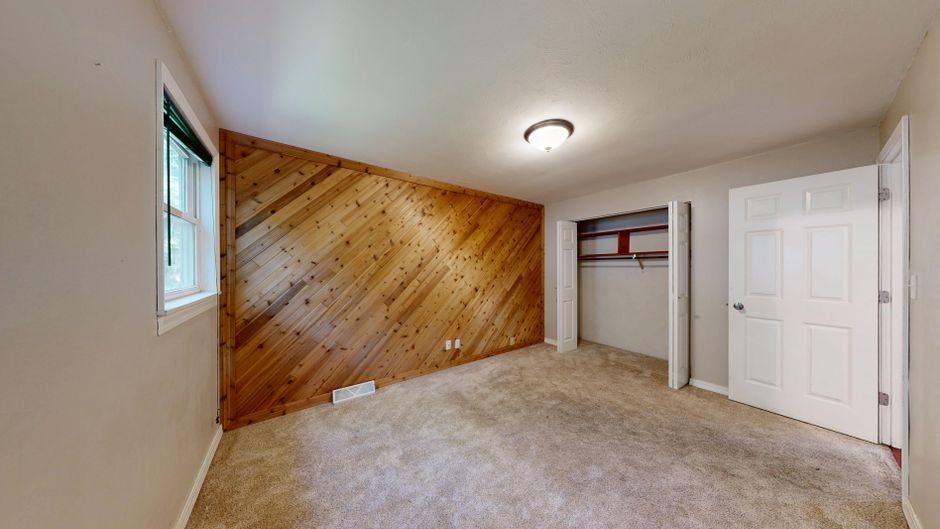
Rental property cleaning before handover is a task nobody relishes, but it’s absolutely essential if you want to part with your landlord on good terms. A thorough clean can prevent losing your deposit or incurring additional charges. This guide will walk you through everything you need to know, from key areas to focus on to top tips that’ll ensure a smooth farewell to your rented abode.
Quick answer: Rental property cleaning before handover means deep-cleaning spaces like ovens, bathrooms, and carpets. Pay extra attention to stains or marks that could cost you your deposit. Consider hiring professionals if you’re short on time or energy to ensure you meet your landlord’s expected standard of cleanliness.
You can find more helpful resources on endoftenancycleaningserviceglenrothes.com.
Key Takeaways
- Focus on kitchens and bathrooms first.
- Don’t forget about windows and carpets.
- Remove all stains and scuffs.
- Professional cleaners save time.
- Plan your cleaning schedule wisely.
Rental Property Cleaning Before Handover: Essential Steps
Getting your rental property ready before handover involves a comprehensive cleaning process aimed at meeting landlord expectations. This includes deep-cleaning every space, removing stains, and repairing any damages. Ensuring you have a plan and checklist in place can streamline the entire process and prevent any last-minute surprises.
If you’re wondering why this matters, consider what’s at stake: your deposit. The UK Government stipulates that landlords can deduct cleaning costs from deposits if properties aren’t up to scratch at handover. To avoid this, tenants need to ensure every part of their accommodation is as clean as when they moved in.
Tackling this might seem daunting, but breaking it down into smaller tasks helps. Start early—at least a week before the final move-out date. Focus rooms that typically need the most attention, like kitchens and bathrooms, first, since these are usually the hotspots for dirt and grime. Don’t just rely on a surface clean; an end-of-tenancy service digs deeper, looking at hidden spots like behind appliances.
Imagine you’ve just finished a long day of work, and you need to squeeze in time for cleaning. You’ve been scrubbing your kitchen for hours, yet your oven still looks like a crime scene. Professional help might be the answer here. Many find that enlisting help takes a massive load off their shoulders, effectively ensuring you avoid the landlord’s eagle-eyed inspection woes.
Here’s a practical tip: make an inventory. Go through room by room with a checklist. Remember, it’s often the tiny things, like scuffed skirting boards or dusty light fixtures, that get overlooked and can end up costing you when the landlord assesses the property.
Key Areas to Focus on in Your Rental
When cleaning your rental property before handover, pay special attention to high-use areas such as the kitchen and bathroom. These spaces often endure the most wear and tear and are scrutinised by landlords. Cleanliness in these areas can preserve your deposit and build a good relationship with your landlord.
The kitchen is usually the heart and mess of any home, and it requires rigorous cleaning. According to the Food Standards Agency, neglected areas to focus on include the oven, hob, and extractor fan, which can accumulate grease and grime. If overlooked, these can lead to deductions from your deposit on the grounds of necessary cleaning or maintenance.
In bathrooms, don’t just mirror-wipe and call it a day. Lime scale and mold around taps and tiles are another red-flag item landlords often check. Clean grout between tiles, and pay attention to shower glass panels which tend to fog with soap scum over time. You might be surprised how much brighter your bathroom looks with a little scrubbing.
A tenant I know spent an entire Saturday scrubbing the bathroom tiles until they were spotless. They applied a special solution to the grout to bring it back to its original white. It was hard work, but the satisfaction when they saw their bathroom sparkle was worth every penny saved from deposit deductions.
Always remember—empty cupboard traps dust, so give them a good wipe. Clean the extractor fans as well; they often get clogged with dust. And while you’re there, check for any spider webs that could have taken root unnoticed. Little things like these often make a big difference in the final inspection.
Hiring a Cleaning Service: Is It Worth It?
Hiring a professional cleaning service could be a game-changer in achieving the high cleaning standards required before handing over a rental property. While it comes with costs upfront, it can save time and possibly prevent more significant costs like deposit deductions.
You might be asking whether spending on a professional service pays off. Many tenants swear by it. A professional can tackle areas you’d find difficult, or simply have no time to address. According to the Which? magazine, professional cleaners have the tools and expertise to handle labour-intensive cleaning jobs efficiently.
However, it’s critical to weigh the cost benefits. Costs can vary based on location and the size of your property. While a one-bedroom flat might set you back around £100, larger properties can cost much more. Consider how much time and effort you’re willing to invest yourself versus the cost of hiring a pro.
A tenant in Edinburgh faced a similar decision when moving home. They decided to hire a local cleaning service specialising in end-of-tenancy cleans. The cleaners took care of everything in just a few hours, leaving the property immaculate. This solution was not only convenient but also left the tenant with peace of mind and a full deposit return.
If you choose the DIY route, set aside time. A good rule is to spend at least a full weekend on cleaning. Focus primarily on the landlord’s inspection hotspots—kitchen, bathroom, and flooring. Scheduling and checklist management tools can be beneficial to keep track and assure nothing’s missed.
How do you effectively tackle kitchen cleaning in a rental property?
To effectively clean a kitchen in a rental property, work methodically from top to bottom. Start with the upper cabinets, then tackle appliances, worktops, and finally, the floor. This approach ensures no dirt or grime falls from above onto cleaned surfaces, saving time and effort.
Kitchens can be notoriously grimy. Grease accumulates over time, and without regular cleaning, it can cake onto surfaces. Begin with the upper cabinets and shelves. Use a de-greasing agent and a sturdy cloth to wipe down doors and interiors. Pay special attention to handles, as they’re frequently touched and can harbour dirt. If you’re dealing with stubborn stains, a mix of baking soda and water often works wonders. For overhead light fixtures, a wipe with a damp cloth should suffice.
Appliances require next-level attention. Ovens can be particularly daunting. Remove any racks and let them soak in soapy water while you tackle the interior. Specialised oven cleaners might be needed here — always follow the instructions to avoid damaging finishes. Don’t forget the cooker hood; it’s a magnet for grease. Use warm, soapy water or a commercial cleaner if necessary. A lesser-known trick is using a vinegar and water solution for microwaves, which can safely tackle lingering odours and splatters.
Surfaces like worktops and splashbacks need more than a cursory wipe. Use an antibacterial spray to ensure all bacteria are eradicated, especially important given the food preparation occurring here. With hard water in the UK, limescale can build up around taps and sinks — a quick scrub with a vinegar solution is typically effective in removing it. Leaving the cleaner on the affected areas for ten minutes often provides the best results.
Finally, floors. Vacuum any loose debris first, then mop with a suitable floor cleaner. If the floor is the tiled kind, grout might need a scrub with a stiff brush. Finished with a clean sweep, the kitchen should sparkle and help impress the landlord. According to Which?, a clean kitchen significantly impacts landlords’ impressions during handovers.
In practice, many tenants overlook extractor fan filters, but cleaning these is crucial, especially for properties that have endured years of culinary explorations.
What about bathroom cleaning before handing over a rental property?
Cleaning a bathroom before a rental handover means addressing visible areas and those hidden spots that tenants might neglect. Thoroughness counts as bathrooms accumulate mould and limescale, particularly around taps and in the grout between tiles.
Start with the shower or bath. Remove any visible soap scum using a scrub brush and a suitable cleaner. Pay close attention to grout, as mould can quickly take hold when moisture seeps in. A paste made from baking soda and water can help lift deep-seated grime. For showerheads, soaking in a vinegar solution dissolves any mineral build-up — a common problem in hard water areas like much of the UK. Make sure you rinse well; no tenant or landlord wants to see streaks of residual cleaner.
Toilets are another focal point. While no one enjoys cleaning them, leaving them less than spotless isn’t an option. Use a toilet brush alongside a robust cleaner to delve deep under the rim. Bleach-based products are effective, provided they’re used safely and rinsed thoroughly. A nifty trick is to pop in a cleaning tablet overnight to maintain freshness longer.
Don’t neglect sinks and taps. Limescale often accumulates here, so it’s worth eradicating it with a limescale remover. A toothbrush is useful for scrubbing around tight spots. Buffing with a dry cloth after cleaning helps give taps a shine that suggests diligent upkeep. Surface cleaners should follow suit on countertops, ensuring all corners are dirt-free.
To conclude, floors should be your final act. Sweep away loose hair or dust before mopping with warm, soapy water. Rinse thoroughly and let the floor dry completely before any further use. According to NHS guidelines, this reduces risks related to wet surfaces. A clean and fresh bathroom speaks volumes when inspected.
“Don’t ignore silicone edges around bathtubs and sinks,” advises home expert Sarah Millman. “They often harbour mould, which landlords never appreciate.”
How can you efficiently handle living areas and bedrooms in a rental clean?
Efficiently cleaning living areas and bedrooms before handing over a rental means focusing on both high-frequency surfaces and neglected areas. It all begins with decluttering. You’ll find that a clutter-free space allows you to see what truly needs attention.
Kicking off with surfaces, dusting is key. Don’t limit yourself to obvious places like shelves and tables. Run the duster over skirting boards, picture frames, and light fittings. These spots often accumulate dust and can detract from an otherwise clean look. Use a damp cloth for any stubborn patches to avoid smudging, and reach high spots with an extendable duster.
Next up: furniture and upholstery. Vacuum cushions and use a stiff brush on fabric to lift ingrained dirt. If you’ve got pets, a lint roller or rubber glove can help manage any lingering hairs. Fabric sprays mitigate odours; just spray lightly and allow to dry fully. Upholstery needs to appear fresh — it’s often a key area landlords inspect.
Windows follow the furniture. Vinegar and water make an excellent homemade cleaner here. Spray on and wipe off with a microfibre cloth for a streak-free finish. Don’t forget window sills where dust and grime settle. Lift blinds or curtains for a cleaner result — often these areas are skipped, but they shouldn’t be.
Finally, floors. Vacuum thoroughly, moving furniture to ensure no dust or dirt gets left behind. For hard floors, mop with a suitable cleaner. Carpeted areas may benefit from a sprinkle of bicarbonate of soda to eliminate odours before vacuuming. The ONS notes that household cleaning products significantly cut room odours and enhance living quality, crucial during inspections (ONS data).
Many tenants forget plug sockets. Wiping these down creates a cleaner appearance and highlights attention to detail. Clean homes with addressed small details often leave landlords better impressed.
Frequently Asked Questions
What is end of tenancy cleaning?
End of tenancy cleaning refers to the deep cleaning of a rental property before moving out. This ensures the property is left in good condition for the next tenants. If done properly, it can maximise your deposit return. Many choose professional services to guarantee quality, but DIY cleaning can also be effective.
Do I need to clean carpets before handing over my rental?
In most cases, yes. Landlords often expect carpets to be cleaned, especially if specified in your rental agreement. Hiring a professional carpet cleaner might be necessary if there are stubborn stains, ensuring the carpet looks fresh for new tenants.
How much time should I allocate for a complete clean?
The time required depends on the property size and condition. Generally, a thorough clean can take anywhere from 4 to 8 hours for a two-bedroom flat. It’s wise to schedule more time if tackling it without professional help.
Can a landlord charge me for cleaning?
Yes, if the property isn’t cleaned to a satisfactory standard. The UK government indicates landlords can deduct costs from your deposit if cleaning falls short. Complying with your agreement can save you from potential disputes.
Are there any health and safety considerations?
Absolutely. When using cleaning products, always follow instructions to prevent harm. The Health and Safety Executive (HSE) advises wearing protective gear, such as gloves and masks, to minimise contact with chemicals and avoid inhalation.
Author credibility: With years of experience in property management, I offer insights into effective rental property cleaning before handover, focusing on practical and cost-effective solutions.
Final Thoughts
Rental property cleaning before handover is essential for securing your deposit and easing the move-out process. Key points include starting with a plan, focusing on high-impact areas like kitchens and bathrooms, and using the right cleaning products. Acting on these steps ensures a smooth transition and maintains a good relationship with landlords.
To begin, assess the condition of each room, prioritise tasks, and decide whether DIY cleaning or professional services suit your needs best. Don’t forget to refer to resources like Which? for recommended cleaning products and methods. For related tips, see our and .
📚 You May Also Like
References
- [1] UK Government — https://www.gov.uk/tenancy-deposit-protection
- [2] Which? — https://www.which.co.uk/reviews/cleaning-products/article/how-to-clean-your-kitchen
- [3] UK government — https://www.gov.uk/government/publications/how-to-rent