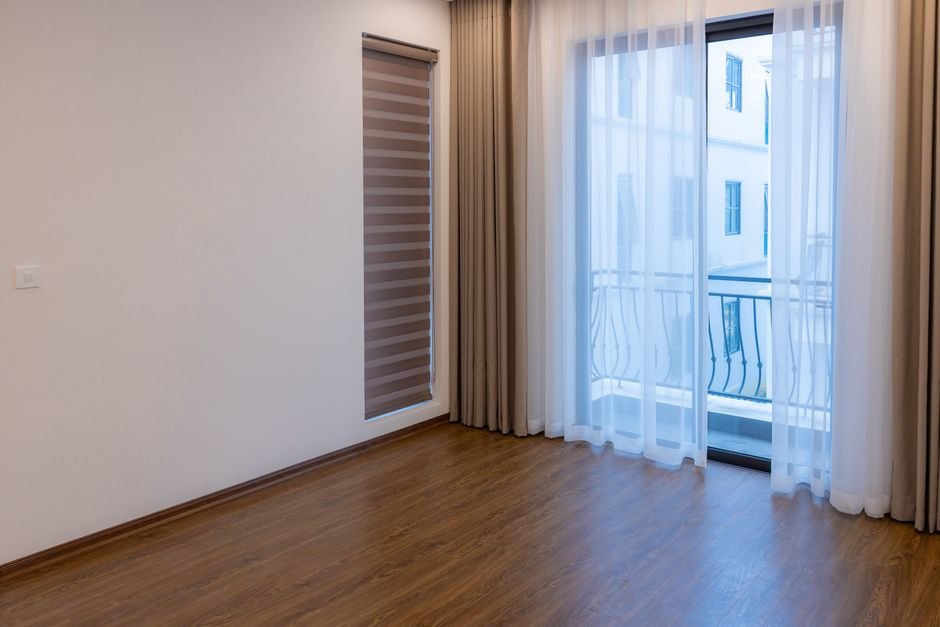
Rental property cleaning between tenants is crucial for landlords to maintain hygiene and attract new tenants. Finding the right cleaning approach can feel overwhelming, especially with time and budget constraints. This guide promises actionable steps and insights to ensure a smooth and efficient cleaning process.
Quick answer: Rental property cleaning between tenants involves five main steps: inspecting the property, deep cleaning, repairing damages, ensuring safety checks, and adding fresh touches. It’s crucial for landlords to have a systematic approach to save time and attract prospective renters.
You can find more helpful resources on endoftenancycleaningserviceglenrothes.com.
Key Takeaways
- Deep clean every room thoroughly.
- Repair damages immediately.
- Conduct safety checks.
- Add fresh touches to the property.
- Create a consistent cleaning schedule.
Rental Property Cleaning Between Tenants: Essential Steps
Rental property cleaning between tenants requires a structured plan involving several steps. These include inspecting the premises, performing a thorough cleaning, handling repairs, conducting safety checks, and making aesthetic enhancements. A systematic approach ensures efficiency and attractiveness to potential tenants.
Inspection is the first step in the cleaning process. It’s where you note any glaring issues or potential problem areas. Broken door handles, smudged walls, or stained carpets hide in plain sight once a tenant moves out. Addressing these early prevents escalation into bigger, more expensive problems. Moreover, it’s an excellent opportunity to set the tone for the thorough cleaning that follows.
Deep cleaning every inch of the property is essential. You want it to shine and feel new to the next tenants. Kitchens and bathrooms, due to their heavy usage, need extra attention. Degrease the cooker, disinfect countertops, scrub bathroom tiles, and descale taps and showerheads. Dust and grime build everywhere, even in spots few tenants think of daily. Don’t overlook thorough carpet cleaning or window washing for that irresistible sparkle.
Repairs often turn out to be the sneaky time thief. Whether it’s mending a squeaky door or fixing a leaky tap, the quicker you attend to these, the better. Remember, most tenants can overlook decor if maintenance speaks for itself. A landlord once shared how ignoring a minor leak spiralled into a £500 plumber bill because it lingered unattended. Lessons like these underscore the importance of preemptive maintenance.
Safety checks shouldn’t be the last thing you think of, though it’s tempting after hours of scrubbing and fixing. Make sure smoke alarms and carbon monoxide detectors work. Replace old light bulbs and test electrical sockets. This pre-emptive check saves future headaches — and any prospective renter will appreciate it. It’s also a legal obligation in the UK to have such safety measures up to standard according to the .
Finally, add fresh finishing touches. Repainting tired walls with neutral colours can instantly uplift the space. Fresh flowers or a bowl of fruit in the kitchen, subtle air fresheners, or a welcome mat at the entry adds warmth. These extra bits can transform a property into a home and make it more inviting. All this effort culminates in a property that stands out, ready for its new occupant, ensuring quicker tenant turnover.
Cleaning Details: Room-by-Room Guide
Cleaning each room in your property requires a keen eye for detail. Each area comes with its distinct challenges and routines. Customising your approach while maintaining consistency ensures no stone is left unturned.
Start with the living room. Dust all surfaces, including window sills, picture frames, and light fixtures. Upholstery may need some care too. Vacuum sofas and consider a professional cleaning service for deep-set stains. A fresh steam clean on the carpets can bring new life back into them and eliminate lingering odours.
The kitchen is a cleaning juggernaut. It’s where the magic — and mess — happens. Clean out all cupboards and drawers. Degrease the oven, clean the extractor fan, and polish the hob. It’s astonishing how quickly these can accumulate grime. A tenant once remarked how she won’t rent a place unless the kitchen feels pristine. This highlights a common sentiment among prospective renters.
In the bathroom, lime scale and mildew are your adversaries. Tackle these with specially formulated cleaners that don’t just mask the problem but eliminate it. Mirrors need a wipe-down, and floors should be mopped with an antibacterial solution. Don’t forget to caulk around the bathtub or sink, as this can noticeably improve their appearance.
Bedrooms deserve just as much attention. Dust and wipe all surfaces, ensuring to get behind furniture where dust can gather unnoticed. Changing the lighting can work wonders; a brighter bulb might make the room feel larger. Regular checks reveal overlooked aspects — loose curtain rods, carpet stains, or chipped paint on window frames — that need your attention for a comprehensive clean.
Practical Tips for Efficient Cleaning
Efficient cleaning doesn’t mean cutting corners; it means being savvy with your time and resources. There are strategies to help you manage this monumental task with ease.
Begin by assembling your cleaning arsenal. Organise products and tools by the area they’re most useful in — this reduces back-and-forth trips through the property. For example, store kitchen-specific items near the kitchen, so you don’t lose momentum.
Work systematically. Many professionals swear by starting at the top and finishing at the bottom — literally. Dust ceiling corners and lights before moving down to furniture and floors. This way, you’re not cleaning the same surface twice. Efficiency in cleaning is all about smart workflow.
Consider going green. Using eco-friendly products isn’t just kinder to the planet; it’s often less harsh on surfaces, preserving them for longer. A landlord once swapped to green cleaning methods and noticed fewer complaints about cleaning product fumes from incoming tenants, which is a definite win-win.
Timing is everything. Cleaning takes time, but it pays off to know when to stop and move on. Prioritise high-traffic areas like kitchens and bathrooms over lesser-used spaces, and if your schedule’s tight, a professional end-of-tenancy cleaning service can be worth the investment.
Consistency is key. Establish a checklist to keep track of tasks and ensure nothing gets overlooked. This habit cuts long-term maintenance costs and ensures each tenancy starts with the same standard of cleanliness. It also helps if you’re managing multiple properties. The time spent crafting a comprehensive checklist will save you hours in the future.
What should you include in a tenant cleaning checklist?
A tenant cleaning checklist ensures every nook and cranny of your rental property gets the attention it needs. This list acts as a roadmap, guiding you through each essential task. A comprehensive checklist covers everything from scrubbing floors to wiping down cabinets. It’s about maintaining standards and preventing any areas from getting overlooked, which could lead to issues later on.
Initially, focus on the kitchen. Kitchens often see heavy use, so it’s crucial to give appliances a deep clean. Wipe down surfaces, descale the kettle, and clean the oven thoroughly. Don’t forget the inside of the fridge! Empty it first — then wipe it down with a bicarbonate of soda solution to neutralise any odours. Cupboards should be scrubbed inside and out too, ensuring no crumbs or unwanted stains linger.
According to Which?, regular cleaning can significantly reduce the risk of spreading illnesses. This doesn’t just stop at visible dirt — ensure to sanitise high-touch areas like door handles and light switches. These are often missed in rush jobs but play a critical role in keeping everything germ-free.
Moving on to the bathroom, limescale is often the biggest culprit. To tackle this, soak the affected areas with white vinegar. It’s an old trick that’s incredibly effective. Scrub grout lines with an old toothbrush dipped in a solution of water and bicarbonate of soda. Ensure the bath, sink, and toilet have been scrubbed, disinfected, and polished to a sparkle. This meticulous approach means tenants feel reassured about hygiene.
Carpeting can be another breeding ground for unseen dirt. Many landlords find a steam cleaner invaluable here. Renting one can make quick work of any embedded grime, instantly refreshing the space. Consider suggesting tenants take off footwear indoors to help prolong their cleanliness efforts.
“Steam cleaning carpets or hiring a professional can drastically boost your property’s desirability and condition between tenancies.” – Cleaning Specialist, John Green
How do you choose between DIY and professional cleaning services?
Choosing between DIY or hiring professional cleaning services for rental properties depends on several factors. Consider your property’s size, your available time, and budget. For some, doing it themselves is feasible and cost-effective; others may find professionals offer quality and convenience worth the expense.
If you’re leaning towards DIY, plan your approach. Break down the tasks over a few days. Begin with the tougher jobs, like cleaning carpets or scrubbing grout, when you have more energy. The key here is consistency. Achieving a thorough clean requires time, effort, and vigilance. For basic supplies, a trip to your local store for cleaning solutions, cloths, and brooms won’t cost much. Still, be prepared for some physical exertion.
On the other hand, professional services offer a comprehensive clean without the hassle of doing it yourself. According to Cleaning Matters, professionals bring specialised equipment that a typical landlord might not own. They tackle jobs with trained expertise, often completing tasks in a fraction of the time. But this convenience does come at a price, making it a strategic choice.
Here’s how it commonly plays out in practice: a landlord of a small, one-bedroom property may choose DIY, focusing their personal labour where needed most, thereby saving money. But, managing multiple properties with tight turnover times? Often, this pushes landlords to delegate tasks to professionals to ensure consistency across all units.
When deciding, weigh the cost difference against the value of your time and the importance of a pristine presentation. More landlords are recognising the time savings and thorough results achievable with professional services, despite the higher cost. Remember that a professional clean can increase your property’s appeal, helping you justify the rental fee you set.
In practice, a common error when going DIY is underestimating task difficulty or time required. Many start energetically but end up overwhelmed, cutting corners. Consider starting with manageable areas to build confidence.
How can you maintain cleanliness between tenancies?
Maintaining cleanliness between tenancies isn’t just about the turnover period. It’s also about setting standards that keep your property desirable throughout. Implementing simple practices can help retain the property’s condition, reducing the heavy workload when tenants leave.
Consider establishing a set of house rules regarding cleanliness. Encouraging tenants to clean regularly and take care of minor maintenance keeps the property in good shape. Offer resources or guides on stable cleaning regimes, perhaps including suggestions like using coasters on tables or weekly oven wipes. It’s surprising how a few habits can make all the difference.
According to RSPCA Home Living Tips for example, keeping pets and their living areas clean is essential, especially if you allow pets in your property. Insisting tenants clean up after their animals helps prevent pet-related odour or damages, ensuring the property remains welcoming for future tenants.
A weekly cleaning checklist may prove beneficial. Simple tasks like vacuuming, window cleaning, and trash disposal ensure that the home doesn’t accumulate the typical grime of daily life. This ongoing upkeep makes the turnover cleaning easier and less time-consuming.
A practical way to ensure ongoing cleanliness is to include a clause in the lease agreement about a professional end-of-tenancy clean. Many landlords do this to ensure the property meets a certain standard before the next tenant moves in. Communicate effectively with your tenants why this is beneficial, highlighting the advantages for their comfort as well.
In practice, landlords often notice that properties with clear cleanliness guidelines tend to face fewer issues, ensuring the property remains desirable. This proactive mindset benefits both landlord and tenant, fostering a respectful and well-maintained living space.
Frequently Asked Questions
How much does end-of-tenancy cleaning cost?
End-of-tenancy cleaning costs vary based on location, property size, and service level. General cleaning might cost between £100 and £300. For larger properties or deep cleans, prices may rise considerably. For specific costs in your area, consult local cleaning firms.Choose a cleaning service for the best fit.
Can tenants be charged for cleaning?
According to Citizens Advice, landlords can charge tenants for cleaning if it is stipulated in the lease agreement. The property must be returned in the condition it was received, save for normal wear and tear, which often requires a professional clean rather than charging for minor cleanliness issues.
What is included in an end-of-tenancy clean?
An end-of-tenancy clean generally includes thorough cleaning of all rooms, appliances, surfaces, and often carpets. The aim is to present the property in a ‘ready to let’ condition. Details may vary, so checking with your chosen service provider beforehand is wise.
How long does a professional clean take?
A professional clean can take anywhere from a few hours to a full day, depending on property size and condition. Small flats may take 2-3 hours, while a large house could require 6-8 hours or more, especially with additional services like carpet cleaning.
Is professional cleaning mandatory for rental properties?
Professional cleaning is not legally mandatory, but many landlords expect it to ensure the property is returned in the same state as when tenants moved in. Tenancy deposit protection rules often stipulate that tenants should maintain cleanliness standards to avoid charges.
With years spent managing properties, I understand the intricacies of rental property cleaning between tenants. Cutting corners rarely pays off.
Final Thoughts
Rental property cleaning between tenants is not just about appearance. It’s about maintaining property value and attracting quality tenants. Prioritising regular maintenance helps avoid costly complications down the line, and engaging a professional cleaning service can ensure the property is presented at its best.
Consider scheduling your next tenant’s moving in date with a few days’ buffer to allow for a thorough end-of-tenancy clean. This way, both you and the next tenant will benefit from a spotless start. For more on property management, see our guides on and .
📚 You May Also Like
References
- [1] Which? — https://www.which.co.uk/news/2020/06/how-to-keep-your-home-clean-during-coronavirus/
- [2] Cleaning Matters — https://www.cleaning-matters.co.uk/page_297071.asp
- [3] RSPCA Home Living Tips — https://www.rspca.org.uk/adviceandwelfare/home
- [4] Choose a cleaning service — https://www.which.co.uk/consumer-rights/advice/how-to-choose-a-cleaning-service-a8m787a8X8nL
- [5] Tenancy deposit protection rules — https://www.gov.uk/tenancy-deposit-protection/rules-you-must-follow


