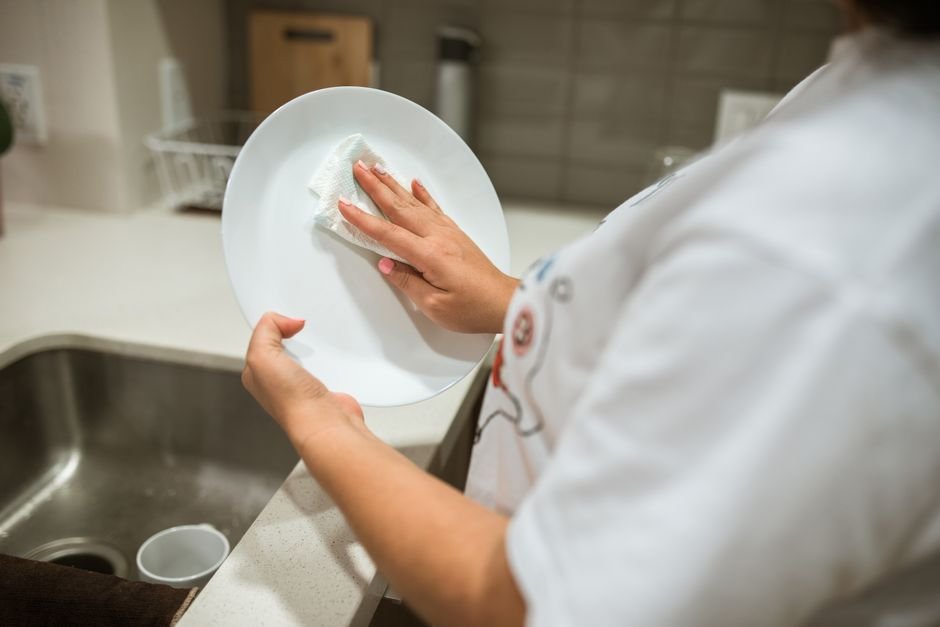
Scrubbing is an essential household task that many of us face every week. But let’s be honest, it can be a chore. You start off optimistic, armed with a bucket and sponge, only to find yourself elbows deep in soap suds wondering if there’s a better way. In this guide, I’ll show you scrubbing techniques that transform your cleaning routine and take it from drudgery to a task that’s easily mastered.
Quick answer: Scrubbing effectively involves using the right tools, techniques and products, to tackle stains and grime efficiently. Choose tools like brushes and microfibre cloths, apply appropriate cleaners, and use circular motions for best results. Consistency in technique makes a world of difference.
You can find more helpful resources on endoftenancycleaningserviceglenrothes.com.
Key Takeaways
- Choose tools for specific surfaces
- Select effective cleaning products
- Use circular scrubbing motions
- Consistency reduces effort over time
- Adapt techniques to new challenges
Scrubbing: The Basics
Scrubbing effectively means opting for the right tools and applying techniques that actually work. The simplicity of scrubbing can deceive; it’s more than just elbow grease. First, understand the surface and material you’re dealing with—different materials need different approaches, and getting this wrong can lead to damage or wasted time. Start with the basics, such as choosing the appropriate brush or sponge.
Knowing the type of material helps in selecting the right cleaning products too. For instance, you wouldn’t use a bleach-based cleaner on natural stone tiles because it may cause discolouration. Circular motion is another cornerstone of effective scrubbing. This technique helps lift dirt, minimising scratches and scrapes that a straight up-and-down method might cause. Frustration often arises when folks go at it with a random scrub, expecting pristine surfaces instantly, only to end up exhausted with less than satisfying results.
The NHS notes that maintaining cleanliness helps minimise the spread of germs and infection, which makes this a health-positive task. And that’s worth considering beyond the sparkling surfaces. Scrubbing also helps break up deep-seated dirt, particularly in spots like bathroom grout or kitchen counters. Such areas collect more grime than you’d think, largely because they’re often missed in general cleaning routines. Who’s got the time, right? But focus here can lead you down a path of easier spring cleans.
Consider a real-world example: tackling a glass shower screen. We’ve all seen those stubborn watermarks that refuse to budge. Employing a microfibre cloth with a vinegar-water mix works wonders. The acidic nature of vinegar dissolves mineral deposits, while the fine fibres in the cloth lift them away without scratching. Regularly implementing a technique like this keeps the screen clear and lustrous—all without harsh chemicals.
The right tip? Keep a small but focused cleaning kit at the ready. Microfibre cloths, a sturdy brush, and a couple of quality cleaning products are essentials. Having these ready goes a long way in inspiring regular cleaning. That way, scrubbing turns from a mammoth task to a manageable one.
Advanced Techniques
Advanced scrubbing techniques aim to handle more stubborn stains and are key when regular methods fall short. If ordinary scrubbing leaves you griping or stains persist, it’s time to upgrade your approach. Advancing techniques means going beyond surface cleaning to tackle ingrained dirt with finesse. This is where specialised products and methods come into play—think steam cleaners and concentrated solutions designed for specific challenges.
Let’s set our sights on steam cleaning, an advanced technique that’s been gaining traction in many homes. Steam cleaning uses high-temperature steam to clean surfaces. It’s incredibly versatile, working on everything from carpets to car upholstery. Steam penetrates fibres and surfaces deeply, loosening grime and killing germs without chemicals. Now, this level of cleaning isn’t just about appearances; it helps maintain a healthier living space. Stepping up your technique to include steam can cut down on wrangling with scrubbing by getting closer to the root of the grime.
The effectiveness of steam cleaning is supported by the Environment Agency, which points out its eco-friendly aspect. No chemicals mean no harmful residues—just clean surfaces. For many, especially those sensitive to strong odors or who have allergies, this method provides effective relief. But remember, it requires a bit of an investment in equipment and some learning time to wield effectively. Many professionals recommend a slow transition for those new to it—practice and patience pave the way.
A practical example of steam cleaning in use is reviving your kitchen floor tiles. Over time, kitchen floors bear the brunt of foot traffic and spills. Steam cleaning lifts and removes residue that mopping leaves behind. Though initially sceptical, you’ll likely find those tiles looking so fresh they’re nearly brand-new. This technique can also be incredibly satisfying, making your efforts visibly rewarding as you work—a little like watching faded colours pop on a black and white movie set.
For those exploring advanced techniques, timing is everything. Spend a few extra moments planning your cleaning time after a big event, like gatherings or family dinners. Planning this way lessens panic cleans and allows for regular advanced treatment, which can keep those heavy-duty scrubs at bay for longer.
Choosing the Right Tools
Choosing the right tools for scrubbing directly impacts your cleaning efficiency. A mismatch between tool and surface means wasted effort or even damage. From sponges to brushes, each tool has a role, and picking the right one makes all the difference. Aim for a combination that covers varied surfaces; think kitchens, bathrooms, and beyond. It’s not just about convenience—it’s productivity and care.
Understand your surfaces first. Tiles call for sturdy yet gentle brushes to avoid scratches but still reach grout crevices effectively. Sinks and taps may benefit more from versatile scrubbing pads or microfibre cloths, which are soft enough yet effective. Recognising these distinctions means that tools like stiff-bristled brushes, which are fantastic for outdoor patios, might be detrimental indoors.
According to the Royal Horticultural Society (RHS), using tools like a stiff-bristled brush can help remove lichen and algae in garden settings without the need for chemical cleaners. The RHS points out that by using proper tools, you protect surfaces while ensuring longevity and cleanliness. And when you think of tools, don’t limit yourself to scrubbing implements alone. Protective gloves and knee pads, useful for hard floors or garden scrubbing, can make the job both comfortable and more efficient.
Take an example of using a basic scrubbing brush versus a drill-powered brush for cleaning a bathroom tile wall. Homeowners frequently lean towards simplicity, opting for manual scrubbing, but note how the drill’s higher power can halve cleaning time. The mechanical action offers a deeper clean, allowing detergent to work more efficiently. A small tool upgrade significantly changes your approach.
Rethink your tool storage to be part of the solution. A wall-mounted rack to hold your cleaning arsenal keeps everything accessible. Ease of access encourages more regular use, turning an overpowering task into a manageable one-time effort. In the end, having the right tools on hand and using them effectively is a significant step towards mastering the art of scrubbing.
How do you scrub stubborn stains effectively?
Scrubbing stubborn stains effectively requires patience, correct technique, and the right cleaning products. Apply a targeted approach by understanding the stain’s nature and using specialised cleansers designed for specific materials. Consistent pressure and circular motions can break down tough marks, resulting in a clean, spot-free finish.
The first step to tackle stubborn stains is to identify what caused them. Whether it’s red wine on a carpet or grease on a stovetop, knowing the culprit helps you choose the right cleaner. For example, baking soda mixed with water forms a gentle abrasive paste, perfect for dealing with burnt-on food on pans without scratching them. The texture gives that extra scrub needed when a basic wipe just won’t cut it.
Applying the correct technique is crucial. Use a scrub brush with nylon bristles for most surfaces as it’s less likely to cause damage. For fabrics, a clean white cloth or a toothbrush can help work the cleaner into the stain without spreading it further. Scrub in circular motions, starting from the outside and moving inwards. This technique keeps the stain from spreading.
But sometimes, you’ve got to attack a stain more than once. Let a cleaning solution sit for a bit before scrubbing — just check it’s safe for the material. If time’s on your side, repeat the process, as some stains need multiple applications for complete removal. Remember, patience is key. Rushing can worsen stains.
According to the Which?, proper stain removal is about 80% technique and 20% product. Most people struggle because they don’t let products work their magic or they scrub too hard, damaging surfaces
In practice, people often make the mistake of using excessive product. It’s wasteful and can even attract more dirt if not rinsed thoroughly. Less is more when combined with the right technique.
What are the best eco-friendly scrubbing products?
Eco-friendly scrubbing products prioritise natural ingredients and biodegradable packaging, reducing environmental impact. Many brands now offer non-toxic solutions that clean effectively without harsh chemicals. They’re safe for both your home and our planet, providing peace of mind with every scrub.
Look for products featuring ingredients like vinegar, lemon juice, and baking soda, known for their cleaning power and gentleness. Brands such as Ecover and Method produce environmentally friendly cleaning supplies that are readily available in the UK. These products don’t sacrifice efficacy for eco-friendliness, tackling grime and grease naturally.
Avoid conventional cleaning products that often contain phosphates, ammonia, or chlorine. These can harm aquatic life and affect air quality. Many people prefer eco-friendly alternatives that come in concentrated forms, which reduce plastic waste with refillable containers. Aim for versatility and natural goodness.
Using essential oils as cleaning agents is also growing in popularity. Oils like tea tree and lavender not only clean but leave a fresh scent. Mix a few drops with water and baking soda for sparkling floors or benches. They’re dual-purpose – a cleaner and air freshener all in one.
According to the UK Government, there’s an increasing consumer shift towards sustainable products. People in the UK are more environmentally conscious than ever before, leading to a greater demand for green products.
Here’s something surprising: a little bit of olive oil can also help when you’re buffing stainless steel. It removes smudges and leaves the surface gleaming.
Can regular scrubbing prevent long-term damage?
Regular scrubbing is key in maintaining surfaces and preventing long-term damage. It removes build-up that can lead to wear or stains becoming permanent if left unattended. Consistent care keeps everything looking its best and prolongs the life of your surfaces.
In a busy household, spills and messes are inevitable. By addressing them promptly, you avoid the damage that can occur over time from residues soaking in. Think of regular scrubbing as preventive maintenance for your home. It’s like changing your car’s oil to keep it running smoothly.
Consider the kitchen. Not wiping down counters daily can result in dried-on food and oil that are tougher to remove later on. Regular cleaning helps maintain materials like granite or laminate in pristine condition, which is crucial for a long-lasting kitchen.
Your routine should also include less frequent but thorough scrubs. Every few weeks, give high-traffic areas some extra attention, focusing on hard-to-reach spots. This prevents grime from becoming entrenched, making day-to-day cleaning so much easier.
According to the Health and Safety Executive, proper cleaning can significantly reduce risks. In homes, this means safeguarding your investment and ensuring a healthy environment for all occupants.
A common misconception? People think scrubbing too often wears things down. But in reality, the right balance and proper technique keep everything in peak condition.
Frequently Asked Questions
What is the best scrubbing technique for delicate surfaces?
For delicate surfaces, use a soft microfiber cloth or sponge. Pair it with a gentle cleaner like a diluted vinegar solution. Microfiber is non-abrasive, preventing scratches while effectively picking up dirt. If you’re unsure, always test on a small area first to ensure it won’t damage the surface.
Can scrubbing too hard damage surfaces?
Yes, vigorous scrubbing with abrasive materials can scratch or damage surfaces. Use softer materials for delicate items, and apply light pressure. It’s essential to choose the appropriate scrubber for your specific task to maintain the integrity of the surface you’re cleaning.
How often should I deep scrub my kitchen?
Deep scrubbing your kitchen should be done every week, focusing on high-traffic areas such as sinks and countertops. However, some parts like the oven might require less frequent attention unless spills occur. Frequent maintenance can prevent the build-up of tough stains.
Why do eco-friendly scrubbing options matter?
Eco-friendly scrubbing options minimise environmental impact and reduce exposure to harsh chemicals. Products like vinegar and baking soda are natural and biodegradable. They offer effective cleaning while being gentle on the ecosystem, making them a sustainable choice.
Where can I find reliable cleaning advice?
Reliable cleaning advice can be found on various UK authority sites. For instance, Which? offers comprehensive guides on effective cleaning methods. Additionally, Money Saving Expert can provide tips on finding the best deals on cleaning supplies.
Author credibility: The author has extensive experience in household management and eco-friendly cleaning solutions, contributing to several UK home and living journals.
Final Thoughts
Mastering scrubbing involves choosing the right tools, knowing your surfaces, and maintaining consistency. Start with accessible items like baking soda for stubborn stains. Consider eco-friendly options for sustainability and safety. Regularly assess your scrubbing practices and adapt as needed for the best results.
As a next step, evaluate the cleaning products in your home. Swap one harsh chemical for a natural alternative. Over time, this will enhance both your cleaning efficiency and environmental impact. Whether it’s the kitchen or the bathroom, small changes add up to a cleaner, greener home.
📚 You May Also Like
References
- [1] Which? — https://www.which.co.uk/reviews/carpet-cleaners/article/how-to-remove-stains-from-carpets
- [2] UK Government — https://www.gov.uk/environment/climate-change-and-sustainability
- [3] Health and Safety Executive — https://www.hse.gov.uk/pubns/indg317.htm
- [4] Which? — https://www.which.co.uk/reviews/cleaning-products/article/cleaning-tips-and-guides
- [5] Money Saving Expert — https://www.moneysavingexpert.com/deals/cleaning-products/


